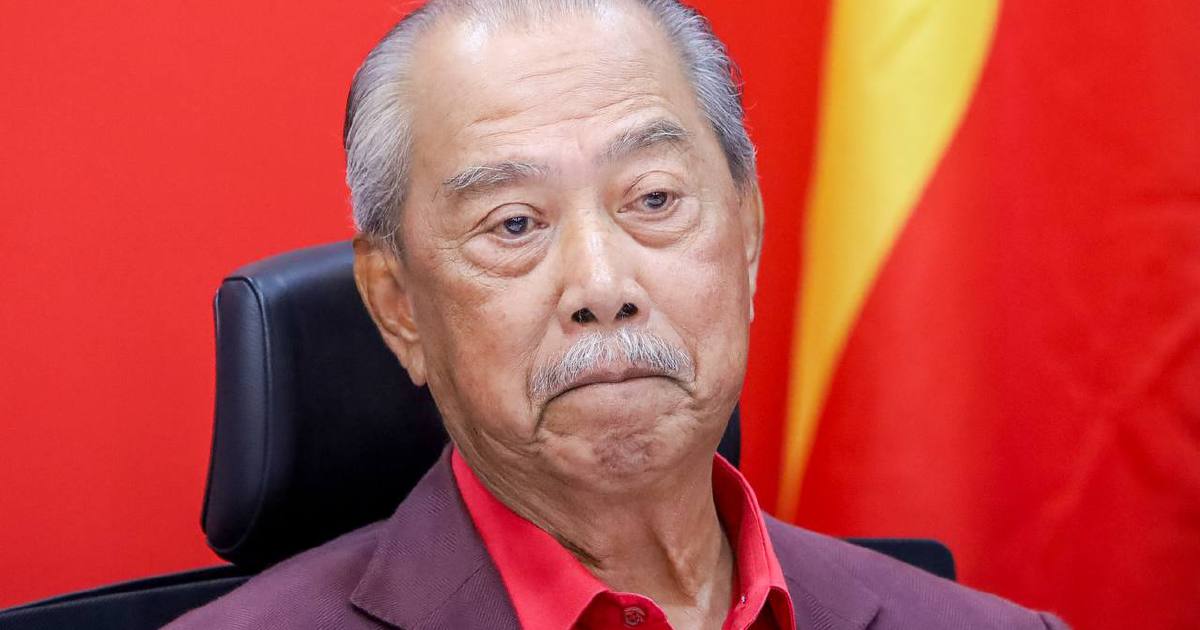
Parti Pribumi Bersatu Malaysia (Bersatu) has moved to quell speculation about its political future by pledging continued membership within Perikatan Nasional (PN), a significant statement amid shifting coalition dynamics in Malaysian politics. Party president Tan Sri Muhyiddin Yassin declared that the party intends to carry the PN banner into forthcoming state elections scheduled for Johor and Negri Sembilan, effectively doubling down on its alliance commitments at a critical moment for the opposition pact.
This announcement holds particular weight given the volatile nature of Malaysian political coalitions in recent years. Bersatu, which emerged as a splinter group from the now-disintegrated UMNO-led Barisan Nasional in 2016, has positioned itself as a bridge between various opposition and reform-minded factions. The party's decision to remain under the PN umbrella rather than contest independently or switch allegiances demonstrates a strategic calculation about maintaining unity within a coalition that has periodically faced internal tensions and defections.
The Johor election carries outsized significance for both Bersatu and the broader PN coalition. As Malaysia's southernmost peninsula state, Johor has traditionally been a Barisan Nasional stronghold, with UMNO wielding considerable influence. By deciding to contest under the PN logo rather than as an independent faction, Bersatu signals confidence in the coalition's ability to mount a credible challenge in this key battleground. The move also prevents the opposition from splitting its vote, a critical consideration in Malaysia's first-past-the-post electoral system where vote splitting often benefits the incumbent.
Negri Sembilan, a smaller but strategically important state situated between the Federal Territories and Selangor, represents another opportunity for the PN coalition to expand its footprint. The state has seen shifting political fortunes in recent election cycles, making it a competitive arena where coalition unity and voter mobilisation become paramount. Bersatu's commitment to contest under the PN logo underscores the coalition's intention to present a unified front rather than compete as fragmented regional or ethnic-based groupings.
The strategic choice to utilise the coalition logo carries symbolic and practical implications. Visually and administratively, campaigns conducted under a single coalition banner enhance voter recognition and simplify the electoral message during what are invariably crowded and complex campaign periods. This approach contrasts with scenarios where coalition partners have previously contested separately, a practice that historically diluted opposition effectiveness and sometimes resulted in electoral reverses despite respectable combined vote tallies.
Muhyiddin's statement also appears calculated to address internal party concerns and grassroots anxieties about Bersatu's political direction. Since the federal government shifted from Pakatan Harapan to various post-2020 configurations, Bersatu has navigated complex terrain, serving in government coalitions while maintaining its status as a potential opposition partner. Such ambiguity occasionally generates speculation about party realignments. By unambiguously reaffirming PN membership and committing to joint electoral participation, Muhyiddin provides clarity to party members and signals stability to coalition partners.
The timing of this declaration matters considerably within the broader Malaysian political calendar. State elections in Johor and Negri Sembilan are not scheduled simultaneously with federal parliamentary elections, affording the PN coalition an opportunity to test its organisational capabilities and message resonance in specific contexts before any potential general election contest. Success or failure in these state contests could significantly influence the coalition's confidence and positioning ahead of the next federal election, whenever that occurs.
For Bersatu specifically, contesting under the PN logo represents a continuation of its strategy since joining the opposition coalition. The party has sought to position itself as a non-communal alternative to both UMNO-dominated Barisan Nasional and the DAP-associated Pakatan Harapan, appealing to a multiethnic constituency concerned with governance reform and anti-corruption narratives. Maintaining coalition discipline and visibility through the PN brand reinforces this positioning rather than fragmenting it through independent contestation.
Regional observers have noted that PN's internal cohesion significantly affects the broader opposition ecosystem. PAS, Bersatu's primary coalition partner within PN, has maintained strong organisational presence particularly in Peninsular Malaysia, while other PN partners bring geographic or demographic reach. When such partners operate as a unified electoral force, they generate momentum that can attract additional constituencies. Conversely, fractures or defections weaken PN's competitive position against an increasingly consolidated government alliance.
Muhyiddin's unequivocal commitment to PN membership and joint electoral participation also carries implications for how opposition politics organises itself in coming elections. Should PN perform credibly in these state contests, it could strengthen arguments for broader anti-government coalition unity even among parties with different historical origins and ideological emphases. Conversely, poor electoral outcomes might reignite discussions about alternative opposition configurations or realignments.
The practical mechanics of Johor and Negri Sembilan campaigns will now likely proceed on the basis of coordinated PN strategy rather than parallel Bersatu operations. This consolidation should theoretically improve campaign efficiency, voter messaging coherence, and resource allocation across both state contests. Whether such consolidation translates into electoral gains will become apparent once campaigning commences and voters express their preferences.