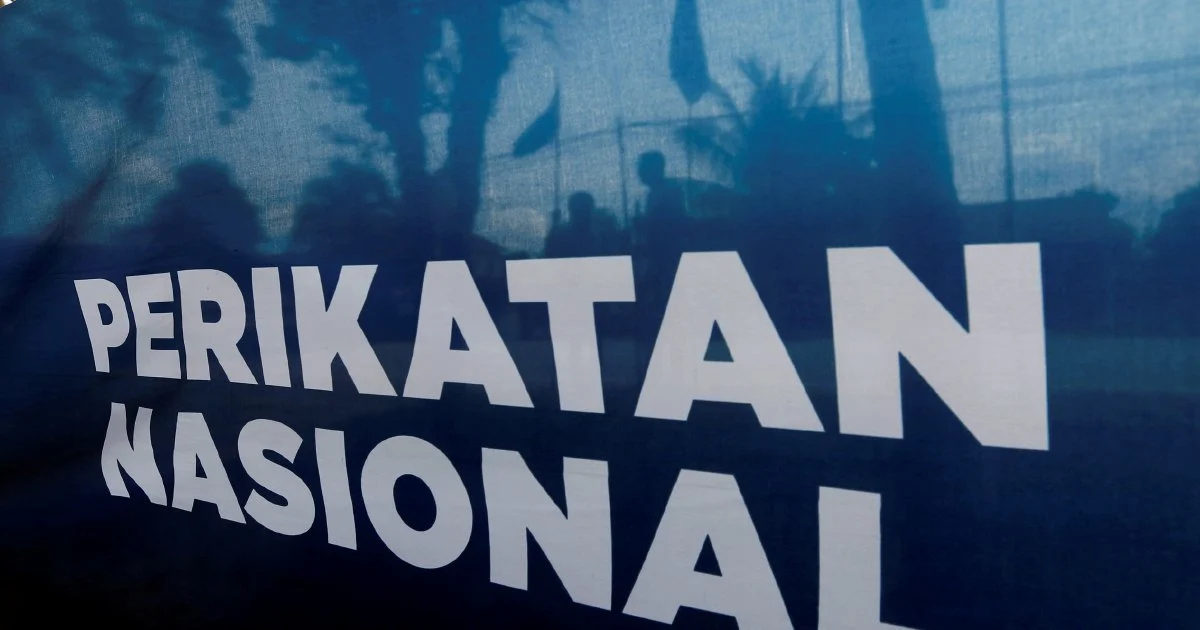
Datuk Seri Mohamed Azmin Ali and Datuk Dr Mohd Radzi Md Jidin have been stripped of their leadership positions within Perikatan Nasional, the opposition coalition announced in what represents a substantial personnel reshuffle at the upper echelons of the bloc.
The decision to remove both figures from their PN roles reflects ongoing dynamics within the coalition, which has positioned itself as a significant alternative force in Malaysian politics since its formation. The timing of the reshuffle underscores the coalition's apparent need to recalibrate its leadership structure as it navigates the political landscape ahead of potential electoral challenges.
Azmin's removal from his PN post carries particular significance given his high profile and previous ministerial experience. The Gombak member of parliament has maintained a prominent position in Malaysian politics despite shifting coalition allegiances in recent years. His departure from the leadership tier suggests PN may be repositioning certain roles or seeking to alter its organisational dynamics to reflect current strategic priorities.
Meanwhile, Radzi's exit from his designated PN leadership role adds another dimension to the reshuffle. As a medical doctor and politician, Radzi has represented Johor constituencies and brought professional credentials to the coalition's ranks. His removal indicates that PN's leadership is willing to make substantial changes across its upper administration.
The coalition has not publicly disclosed comprehensive reasons for the personnel changes, though such reshuffles typically stem from strategic recalibration, performance assessments, or efforts to consolidate power among remaining leadership. For Malaysian readers following PN's trajectory, these moves suggest the coalition is preparing for intensified political competition or responding to internal assessments of its organisational effectiveness.
Perikatan Nasional's leadership structure has experienced several adjustments since the coalition's inception, reflecting the volatile nature of Malaysian coalition politics where alliances shift and personnel changes often carry broader implications. The removal of Azmin and Radzi joins a pattern of regular reorganisations as PN attempts to strengthen its institutional coherence and project unity amid external political pressures.
For the broader Southeast Asian context, these internal PN developments merit attention as Malaysia's political stability influences regional dynamics. A well-organised opposition coalition with clear leadership structures can shape governance quality and electoral competitiveness. Conversely, repeated restructuring might signal underlying tensions or difficulties in maintaining coalition cohesion—factors that international observers monitor as indicators of Malaysian political health.
The reshuffle also carries implications for individual politicians affected. For Azmin, the move represents another chapter in a career marked by coalition transitions and shifting political fortunes. For Radzi, the removal from leadership responsibilities may redirect his focus toward parliamentary duties or constituency-level work. Both developments will be closely watched by their respective supporters and political analysts tracking leadership changes across Malaysian political entities.
Within the opposition landscape, PN's internal restructuring occurs as other coalitions and independent factions similarly navigate their own organisational challenges. The competitive dynamics among various political groupings mean that how effectively PN manages its leadership transitions could influence its capacity to present a united front to voters in future electoral contests.
Observers of Malaysian politics will note that such removals from leadership posts do not necessarily end a politician's involvement with their party or coalition. Azmin and Radzi may continue contributing in other capacities, though their reduced formal status suggests diminished roles in high-level decision-making processes. This distinction remains important for understanding the practical implications of their personnel changes.
The reshuffle demonstrates that PN continues to view its leadership composition as malleable and subject to regular revision based on what the coalition's senior figures determine to be strategic needs. Whether this decision strengthens or weakens PN's organisational capacity will likely become clearer as the coalition proceeds with its political agenda and prepares for the electoral calendar ahead.