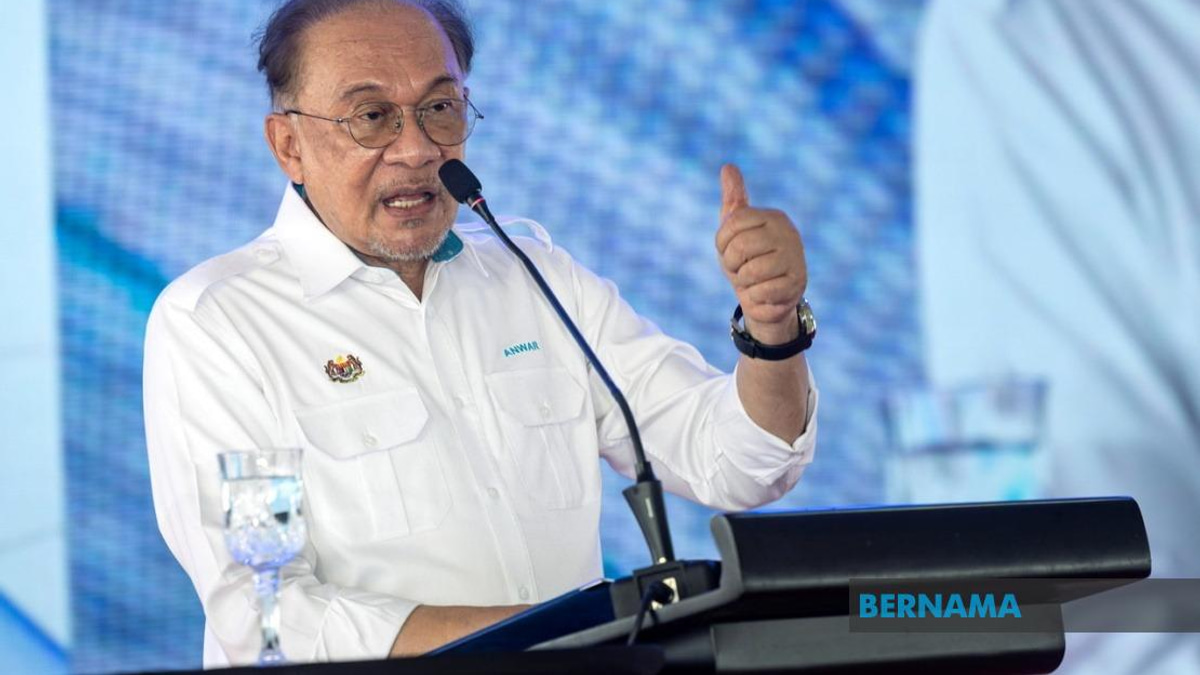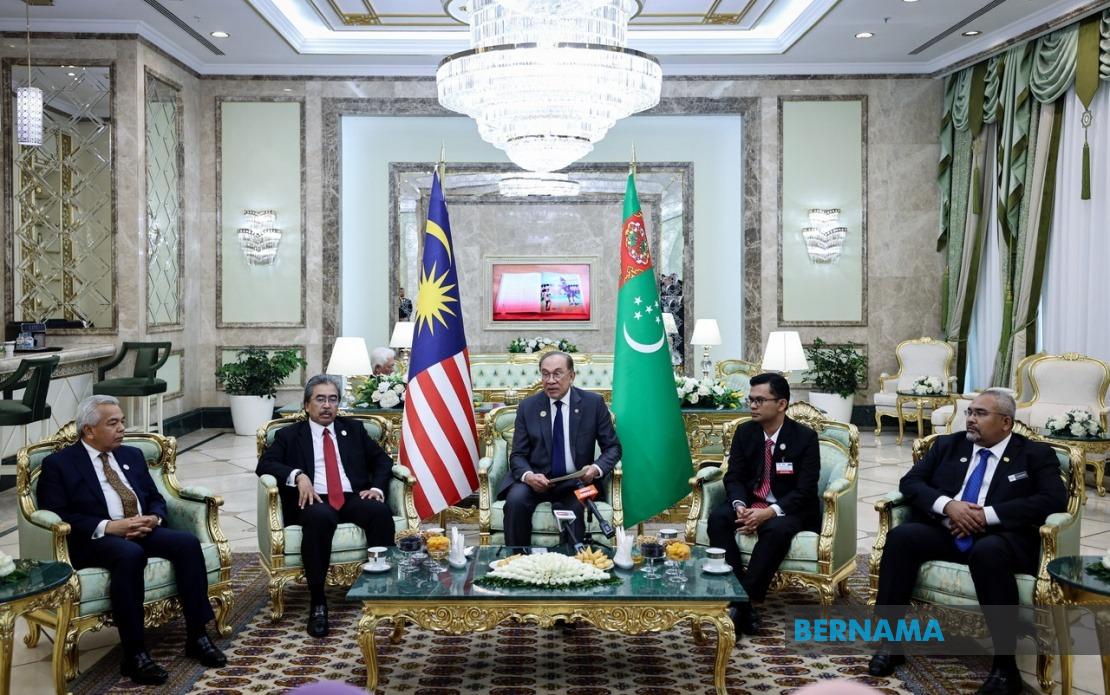
Prime Minister Datuk Seri Anwar Ibrahim has declared his official working visit to Turkmenistan a success, emphasising that the trip has advanced Malaysia's strategic interests whilst solidifying diplomatic relations between Kuala Lumpur and Ashgabat. The two-day mission, which commenced on June 18, represents Anwar's maiden official visit to the Central Asian nation since his appointment as Malaysia's 10th prime minister in November 2022, arriving at the personal invitation of Turkmenistan President Serdar Berdimuhamedov.
The visit has opened significant opportunities for deepening economic and strategic partnerships across multiple sectors, with particular emphasis placed on energy cooperation. Anwar acknowledged that this area presents considerable untapped potential that both nations can exploit to advance their respective developmental agendas and prosperity. The energy sector focus reflects Malaysia's broader strategy to diversify its international partnerships and secure long-term energy security through engagement with resource-rich nations in emerging markets beyond the traditional Middle Eastern sphere.
Anwar's delegation comprised senior ministerial figures instrumental in economic and trade policy formulation. Minister of Investment, Trade and Industry Datuk Seri Johari Abdul Ghani accompanied the Prime Minister, alongside Minister of Economy Akmal Nasrullah Mohd Nasir, along with support from officials within the Prime Minister's Office and the Foreign Ministry. This high-level composition underscores the significance Malaysia attaches to this bilateral relationship and the seriousness with which officials approached discussions regarding potential commercial and governmental collaboration.
The inclusion of PETRONAS representatives within the Malaysian delegation carries particular significance, given the state oil company's historical role as a vehicle for Malaysia's international energy diplomacy and commercial expansion. PETRONAS's presence suggests concrete discussions likely transpired regarding possible joint ventures, technical partnerships, or energy procurement arrangements that could benefit both Malaysian and Turkmenistani interests. Such engagement reflects how Malaysia leverages its national champions to advance strategic foreign policy objectives whilst simultaneously pursuing commercial opportunities.
Anwar expressed particular gratitude towards Turkmenistan's President and government officials for their warm reception of the Malaysian delegation, acknowledging the hospitality extended throughout the visit. He also commended the contributions of Malaysia's diplomatic mission in Ashgabat, the ministry contingent, security personnel, and media representatives whose coordinated efforts ensured the visit proceeded smoothly and generated appropriate coverage. This appreciation extends recognition to the often-overlooked administrative machinery necessary for successful international engagements.
The visit assumes broader relevance within the context of Malaysia's multifaceted foreign policy approach. As a middle power navigating competition between major powers whilst maintaining regional influence, Malaysia benefits from cultivating relationships with countries like Turkmenistan that occupy strategically significant positions. Turkmenistan possesses substantial natural gas reserves and sits at the crossroads of Asian energy transportation routes, making it valuable to Malaysian strategic calculations regarding long-term energy security and regional stability.
From a Southeast Asian perspective, Malaysia's engagement with Central Asia through high-level bilateral visits demonstrates how regional powers project influence beyond their immediate neighbourhood. This approach complements Malaysia's existing memberships in regional organisations and bilateral partnerships across Asia, the Middle East, and increasingly with Central Asian states. Such diversified diplomacy helps insulate Malaysia against over-reliance on any single geopolitical bloc or economic partner.
The timing of Anwar's visit also reflects Malaysia's efforts to strengthen ties with Muslim-majority nations globally. Turkmenistan, with its significant Muslim population and Islamic heritage, represents a natural partner for Malaysia in advancing shared interests across the Islamic world. This dimension of the relationship extends beyond purely economic considerations to encompass cultural, educational, and people-to-people exchanges that strengthen bonds between societies.
The emphasis on bilateral cooperation across multiple sectors suggests both nations recognise mutual benefits from expanding their relationship beyond traditional diplomatic courtesies. Energy cooperation represents the most immediately tangible opportunity, yet discussions likely encompassed trade, investment, educational exchanges, and cultural initiatives that could yield long-term dividends. For Malaysia, such comprehensive engagement approaches generate multiple entry points for private sector participation, scientific collaboration, and human resource development.
Turkenistan's relative international profile in mainstream media coverage means that Malaysia's diplomatic engagement receives less global attention than interactions with larger powers, yet such relationships often yield disproportionate benefits. Lesser-known partnerships frequently proceed with fewer complications and competing interests compared to engagement with major powers, allowing for more pragmatic and mutually beneficial arrangements. The Turkmenistan visit exemplifies this approach, permitting Malaysia to advance strategic objectives whilst contributing to broader regional stability and economic cooperation.
Moving forward, the groundwork established during Anwar's visit should generate concrete follow-up initiatives and official exchanges that translate diplomatic goodwill into substantive outcomes. The success of this inaugural visit as Prime Minister establishes a foundation for more frequent high-level contact and expanded cooperation mechanisms between Malaysian and Turkmenistani government agencies and private sector entities. Such continuity reinforces commitments expressed during the visit and demonstrates sustained strategic interest.
The visit ultimately reflects Malaysia's evolving role as a proactive regional player increasingly engaged with partnerships beyond traditional East Asian frameworks. By strengthening ties with Central Asian nations, Malaysia positions itself as a bridge between regions, potentially facilitating broader Asian cooperation whilst advancing distinctive national interests. Anwar's successful Turkmenistan engagement contributes to this broader trajectory, adding another dimension to Malaysia's increasingly sophisticated and diversified international engagement strategy.

%22%2F%3E%3C%2Fpattern%3E%3C%2Fdefs%3E%3Crect%20width%3D%22100%25%22%20height%3D%22100%25%22%20fill%3D%22url(%23ph523ndg)%22%2F%3E%3Crect%20width%3D%22100%25%22%20height%3D%22100%25%22%20fill%3D%22url(%23ph523ndp)%22%2F%3E%3Ctext%20x%3D%2250%25%22%20y%3D%2250%25%22%20text-anchor%3D%22middle%22%20dominant-baseline%3D%22central%22%20fill%3D%22rgba(255%2C255%2C255%2C0.95)%22%20font-family%3D%22Georgia%2C%20'Times%20New%20Roman'%2C%20serif%22%20font-weight%3D%22700%22%20font-size%3D%22272%22%20letter-spacing%3D%22-0.02em%22%3EAnwar%3C%2Ftext%3E%3C%2Fsvg%3E)