%22%2F%3E%3C%2Fpattern%3E%3C%2Fdefs%3E%3Crect%20width%3D%22100%25%22%20height%3D%22100%25%22%20fill%3D%22url(%23ph2ag2qg)%22%2F%3E%3Crect%20width%3D%22100%25%22%20height%3D%22100%25%22%20fill%3D%22url(%23ph2ag2qp)%22%2F%3E%3Ctext%20x%3D%2250%25%22%20y%3D%2250%25%22%20text-anchor%3D%22middle%22%20dominant-baseline%3D%22central%22%20fill%3D%22rgba(255%2C255%2C255%2C0.95)%22%20font-family%3D%22Georgia%2C%20'Times%20New%20Roman'%2C%20serif%22%20font-weight%3D%22700%22%20font-size%3D%22272%22%20letter-spacing%3D%22-0.02em%22%3EAnwar%3C%2Ftext%3E%3C%2Fsvg%3E)
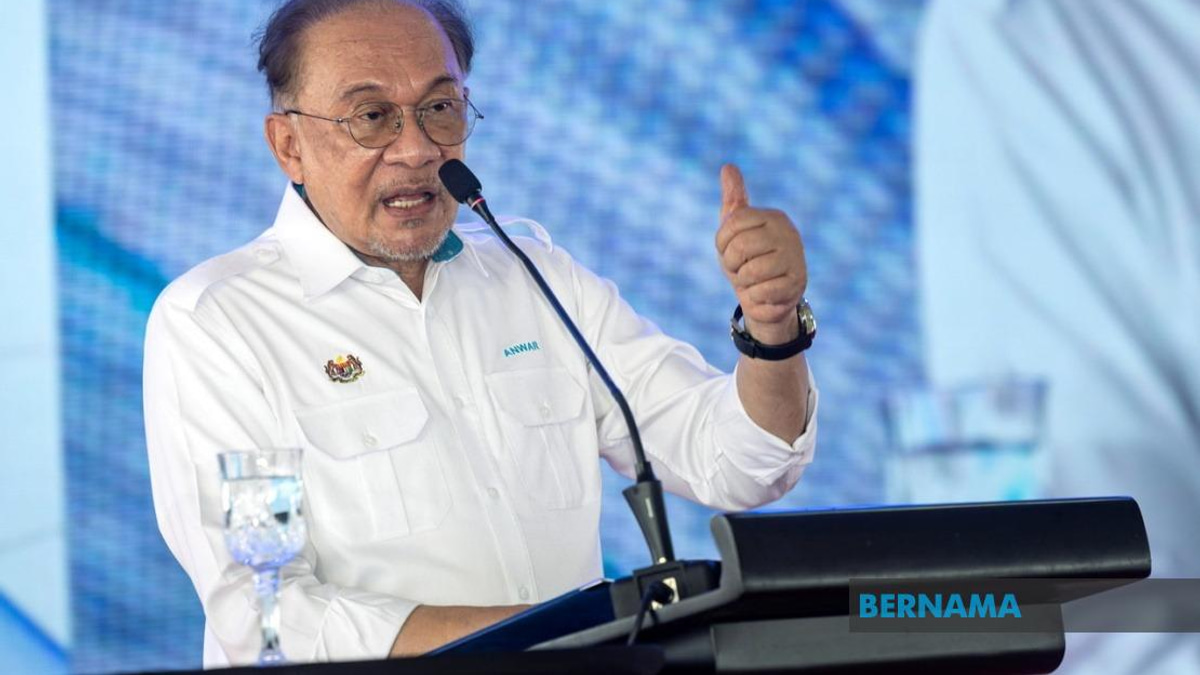
Prime Minister Datuk Seri Anwar Ibrahim has expressed approval at signs of reduced tensions between the United States and Iran, while drawing attention to how such geopolitical conflicts typically inflict disproportionate harm on the world's poorest communities. Speaking in Seberang Perai on June 20, Anwar underscored the interconnected nature of global security challenges and economic wellbeing, particularly for countries in Southeast Asia that depend heavily on stable international relations.
The Malaysian leader's comments reflect growing regional concern about the escalating rivalry between Washington and Tehran, which has created considerable uncertainty across energy markets and shipping lanes critical to global trade. For Malaysia and its neighbours, any prolonged conflict in the Middle East carries tangible economic consequences, from disrupted oil supplies to increased logistics costs that ultimately trickle down to consumers and businesses already navigating post-pandemic recovery challenges.
Anwar's framing of the issue extends beyond conventional geopolitical analysis by centering the lived experiences of ordinary citizens. His remarks acknowledge that while diplomatic and military elites debate strategy, working families in developing countries face the real burden—rising fuel prices, inflation, unemployment, and reduced access to essential services. This perspective aligns with Malaysia's consistent advocacy for conflict resolution through dialogue, a position the nation has maintained as a Non-Aligned Movement member and ASEAN participant.
The timing of Anwar's statement carries significance. Regional economies remain fragile, with inflation still elevated in several Southeast Asian countries and supply chain vulnerabilities exposed during recent crises. Any major geopolitical disruption risks undoing months of cautious recovery, potentially triggering another wave of economic contraction that disproportionately affects lower-income households with limited financial buffers.
Malaysia's interest in US-Iran de-escalation also reflects the nation's strategic position. As a Muslim-majority country with diverse international partnerships, Malaysia maintains diplomatic relations with both Western powers and Middle Eastern actors. Escalation between Washington and Tehran complicates Malaysia's balancing act, potentially forcing uncomfortable choices or limiting ASEAN's collective ability to shape regional outcomes.
Anwar's emphasis on the poor experiencing heightened impact during geopolitical turmoil resonates with domestic political realities. The Malaysian government has faced mounting pressure to address cost-of-living concerns, with households struggling against persistent inflation in food, utilities, and transport. When international crises disrupt global markets, these pressures intensify, creating domestic political pressure on any administration.
The broader context involves Iran's nuclear programme and US sanctions, a complex issue that has destabilised the Middle East for over a decade. Reports of improved bilateral communication suggest possible momentum toward renewed negotiations, though previous diplomatic initiatives have foundered. For Southeast Asia, renewed talks offer genuine hope that regional security environments might stabilise, reducing risks to maritime trade and energy security.
SEAN economies face particular vulnerability because many lack strategic petroleum reserves comparable to wealthy developed nations. Malaysia, despite being an oil producer, still depends on global market stability. Smaller regional economies like Singapore, Thailand, and Vietnam are even more exposed to price shocks originating from Middle Eastern tensions. This shared vulnerability creates alignment among ASEAN members in supporting de-escalation efforts.
Anwar's comments also implicitly critique how major powers conduct geopolitical competition at the expense of developing nations. The message—that global superpowers bear responsibility for considering how their conflicts affect vulnerable populations—reflects a broader Southeast Asian perspective that international relations should account for equity and fairness.
Looking forward, Malaysia likely will continue emphasising diplomatic channels and multilateral mechanisms as solutions to great power tensions. ASEAN's principle of non-interference, combined with members' economic interdependence with both Western and Middle Eastern actors, means the grouping benefits substantially when tensions decrease rather than escalate.
For Malaysian policymakers, the reduction in US-Iran tensions offers breathing room to focus on domestic priorities. However, geopolitical risks remain fluid. Continued vigilance regarding Middle Eastern developments remains essential for ministries overseeing trade, energy security, and maritime affairs. The Prime Minister's public comments serve partly to signal Malaysia's preferences to international audiences while also addressing domestic concerns about economic security.
The substance of Anwar's remarks—connecting elite-level geopolitical decisions to grassroots economic hardship—provides useful framing for Malaysian public discourse. As a developing nation navigating complex international waters, Malaysia's prosperity depends substantially on the stability of global systems and the responsible conduct of powerful actors. When major powers resolve conflicts peacefully, nations like Malaysia can redirect resources toward genuine development priorities rather than managing crisis aftereffects.

%22%2F%3E%3C%2Fpattern%3E%3C%2Fdefs%3E%3Crect%20width%3D%22100%25%22%20height%3D%22100%25%22%20fill%3D%22url(%23ph523ndg)%22%2F%3E%3Crect%20width%3D%22100%25%22%20height%3D%22100%25%22%20fill%3D%22url(%23ph523ndp)%22%2F%3E%3Ctext%20x%3D%2250%25%22%20y%3D%2250%25%22%20text-anchor%3D%22middle%22%20dominant-baseline%3D%22central%22%20fill%3D%22rgba(255%2C255%2C255%2C0.95)%22%20font-family%3D%22Georgia%2C%20'Times%20New%20Roman'%2C%20serif%22%20font-weight%3D%22700%22%20font-size%3D%22272%22%20letter-spacing%3D%22-0.02em%22%3EAnwar%3C%2Ftext%3E%3C%2Fsvg%3E)