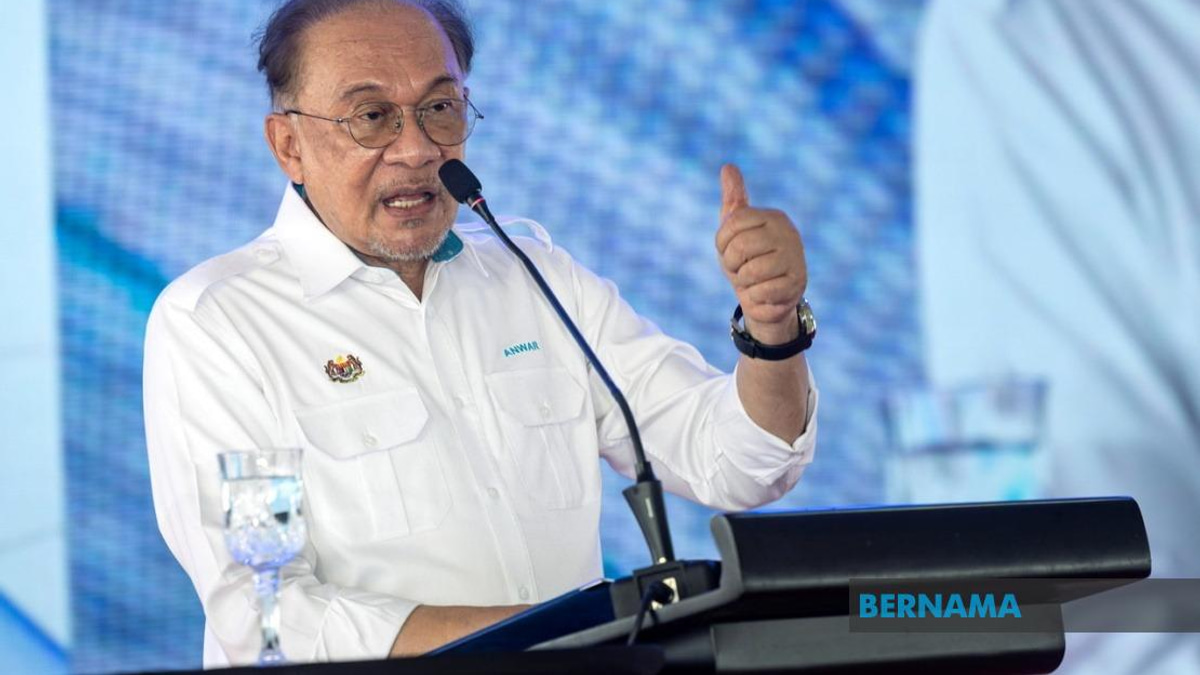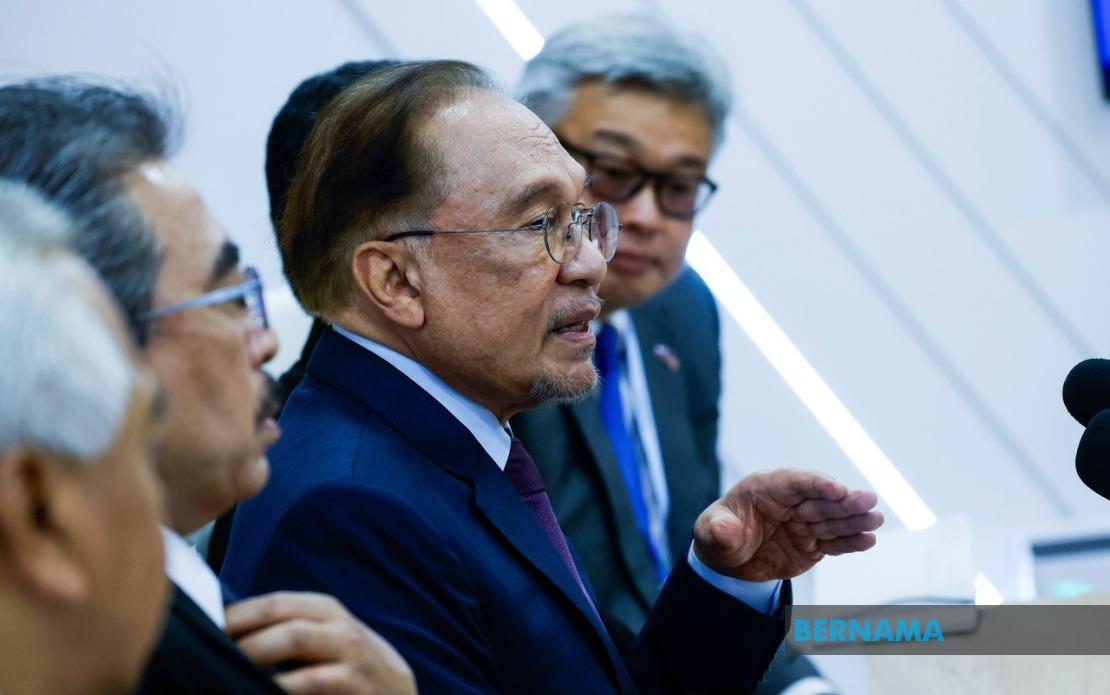
Prime Minister Datuk Seri Anwar Ibrahim concluded a two-day working visit to Kazan with a significant outcome for Malaysia's energy security: Russia has committed to providing long-term supplies of petroleum, oil and gas through stable, multi-year agreements rather than the annual or seasonal arrangements that have characterised previous dealings. The visit to the 35th ASEAN-Russia Commemorative Summit represents a watershed moment in bilateral relations, with both countries pledging deeper cooperation across energy, trade, investment, tourism and technology sectors. The tangible breakthrough on energy supplies reflects Malaysia's strategic pivot towards diversifying and securing its hydrocarbon sources amid volatile global markets and geopolitical uncertainties.
During his closing press conference, Anwar explained that the energy agreement has moved beyond the initial commitment stage. The framework for long-term cooperation has been approved, and both nations are in the final phases of formalising the arrangement. Company representatives have already travelled to Kazan to discuss implementation details, with the draft agreement prepared and fundamental principles settled. Upon returning to Malaysia, the Prime Minister indicated that his government would push delegations to expedite signing and finalisation of the formal documents. This progression from diplomatic commitment to near-concrete action demonstrates the seriousness with which both capitals view the energy partnership, suggesting that the agreement could become operational within months rather than years.
The strategic significance of securing long-term energy supplies extends beyond Malaysia's immediate energy needs. By locking in multi-year contracts with a major hydrocarbon exporter outside the traditional Middle Eastern suppliers, Malaysia reduces its vulnerability to supply shocks and price fluctuations in any single region. Russia's willingness to structure agreements across extended periods also signals confidence in Malaysia's economic stability and creditworthiness as a buyer. For Malaysian consumers and industries, such stability translates into more predictable energy costs, which underpins manufacturing competitiveness and reduces inflationary pressures in the broader economy. The arrangement particularly benefits Petronas, which can now plan downstream investments and refining operations with greater certainty about feedstock availability.
Anwar took the opportunity during his bilateral meeting with Rais of the Republic of Tatarstan, Rustam Minnikhanov, to emphasise the breadth of potential cooperation between Malaysia and Russia beyond crude supplies. Tatarstan's status as one of Russia's foremost oil-producing regions makes it a natural partner for Malaysian interests in downstream activities, refining and petrochemical manufacturing. The discussions extended to trade, investment, education, tourism, the halal industry, technology and talent development, indicating that both sides view the relationship as multifaceted rather than narrowly focused on hydrocarbons. This comprehensive approach creates multiple channels through which Malaysian companies can access Russian markets and Russian investors can find opportunities in Southeast Asia's largest ASEAN economy.
The visit also addressed the regional dimension of Malaysia-Russia engagement. Anwar welcomed the finalisation of the ASEAN-Russia Strategic Programme on Trade and Investment Cooperation 2026-2035, positioning it as a critical foundation for the next decade of economic collaboration between the ten-member bloc and Moscow. The programme's adoption reflects ASEAN's intention to deepen ties with Russia despite Western sanctions and geopolitical tensions, signalling the regional grouping's commitment to strategic autonomy and non-alignment. For Malaysia, which holds influence within ASEAN, championing closer Russia engagement demonstrates its role as a bridge between regional and extraregional powers. The broader ASEAN-Russia relationship, with 2024 bilateral trade reaching US$18.1 billion and Russian foreign direct investment in ASEAN totalling RM367.90 million (US$92.97 million), provides context for Malaysia's bilateral advances.
Malaysia's trade relationship with Russia remains robust despite international sanctions limiting broader European-Russian commerce. In 2025, Russia ranked as Malaysia's ninth-largest trading partner among European nations, with bilateral trade valued at RM8.72 billion (US$2.04 billion). Malaysia's export profile to Russia emphasises value-added products, particularly electrical and electronic goods, machinery, equipment and parts, and processed food, reflecting the sophistication of Malaysian manufacturing. Conversely, Malaysian imports from Russia centre on petroleum products, minerals, chemicals and chemical-based products, underscoring Malaysia's reliance on Russian hydrocarbon resources and raw materials. This complementary trade structure creates mutual economic incentives for both nations to maintain and expand their commercial partnership, even as global geopolitical pressures mount.
Anwar articulated an important strategic reorientation during his visit, calling for Malaysia to adopt a bolder and more proactive approach to expanding economic ties with Russia and other emerging partners. The Prime Minister cautioned against excessive caution in international economic engagement, implying that Malaysia has sometimes allowed geopolitical considerations to limit business opportunities. This stance suggests a recalibration of Malaysia's foreign policy doctrine, placing greater emphasis on economic pragmatism alongside diplomatic principle. Such a shift aligns with Malaysia's positioning as a non-aligned nation seeking to benefit from relationships with multiple global powers without sacrificing its independence or values. The Kazan visit provides practical evidence of this reorientation, with tangible energy agreements emerging from bilateral and regional conversations.
Beyond energy and trade, Anwar proposed facilitating greater people-to-people exchanges between Malaysia and Russia through visa-free travel and direct flight services between the two countries. These connectivity measures directly address tourism promotion and cultural exchange, areas that have historically received less attention in Malaysia-Russia relations than trade and energy cooperation. Establishing direct air routes would reduce travel friction for both tourists and business travellers, while visa simplification would make Malaysia more accessible to Russian visitors seeking to explore Southeast Asia. The tourism dimension gains added importance given Malaysia's established track record in attracting visitors from neighbouring ASEAN countries and Asia-Pacific, and Russian tourists represent a largely underdeveloped market segment. These initiatives reflect Anwar's understanding that robust bilateral relations require solid foundations in human connections, not merely government-to-government transactions.
The Prime Minister also ventured into Middle Eastern geopolitics during his visit, expressing optimism that a potential memorandum of understanding on a peace agreement between the United States and Iran could facilitate conflict resolution and establish lasting stability in West Asia. This commentary suggests that Malaysia views Middle Eastern peace as beneficial for regional security and energy markets, with Iranian stability potentially offering additional supply diversification options for energy-dependent Southeast Asian economies. Malaysia's interest in West Asian peace reflects both humanitarian concerns and strategic calculations about energy security, as Middle Eastern disruptions have historically created supply uncertainties affecting importing nations worldwide. Anwar's remarks indicate that Malaysia sees diplomatic engagement and conflict mediation as legitimate foreign policy tools for advancing national interests, even in regions beyond direct Southeast Asian geography.
The Kazan visit represents merely one segment of Anwar's broader Central Asian energy diplomacy initiative. Following his two days in Russia's Volga region, the Prime Minister departed for Turkmenistan to conduct a two-day official visit aimed at further strengthening energy cooperation and exploring additional long-term oil and gas supply arrangements. This sequential engagement with multiple energy-rich nations demonstrates a coordinated strategy to diversify Malaysia's hydrocarbon sourcing beyond traditional suppliers, particularly the Middle East and Southeast Asia. The Turkmenistan leg builds logically on Russia, as both countries sit within the post-Soviet space and possess complementary hydrocarbon resources and refining capabilities. Malaysia's engagement with Central Asian energy producers reflects acknowledgment that global energy markets have become more multipolar, with major reserves distributed across numerous nations and regions, requiring diplomatic engagement with capitals beyond the traditional Middle Eastern hub.
Malaysia's intensified focus on energy security acquisition reflects genuine structural challenges facing the nation's hydrocarbon position. Domestic oil and gas production has declined from peak levels as mature fields age and exploration yields diminish, necessitating increased imports to meet rising consumption from manufacturing, power generation and transportation sectors. Global energy markets have simultaneously become more volatile, with geopolitical tensions, supply chain disruptions and price fluctuations creating uncertainty for importing nations. By locking in long-term agreements with Russia and exploring similar arrangements with Turkmenistan and other Central Asian producers, Malaysia reduces exposure to spot market volatility and creates predictability for both consumers and industrial planners. The strategy acknowledges that pure market forces may prove insufficient to guarantee stable supplies during periods of international tension or supply shocks.
Anwar accompanied by Investment, Trade and Industry Minister Datuk Seri Johari Abdul Ghani and Economy Minister Akmal Nasrullah Mohd Nasir, signalled the government's commitment to energy security through high-level political delegation. The presence of these ministerial colleagues ensured that technical and commercial discussions could proceed in parallel with political-level negotiations, accelerating agreement finalisation. Upon concluding the Kazan summit, Anwar characterised the visit as productive and successful, expressing confidence that his subsequent engagement in Turkmenistan would yield even more substantial outcomes. The sequential Central Asian diplomatic tour underscores Malaysia's determination to position energy security as a paramount national priority, pursued through sustained political engagement and strategic partnerships with suppliers positioned outside traditional geopolitical alignments. This approach reflects the complex navigation required of middle-power nations seeking to advance development objectives amid great power competition and volatile global conditions.

%22%2F%3E%3C%2Fpattern%3E%3C%2Fdefs%3E%3Crect%20width%3D%22100%25%22%20height%3D%22100%25%22%20fill%3D%22url(%23ph523ndg)%22%2F%3E%3Crect%20width%3D%22100%25%22%20height%3D%22100%25%22%20fill%3D%22url(%23ph523ndp)%22%2F%3E%3Ctext%20x%3D%2250%25%22%20y%3D%2250%25%22%20text-anchor%3D%22middle%22%20dominant-baseline%3D%22central%22%20fill%3D%22rgba(255%2C255%2C255%2C0.95)%22%20font-family%3D%22Georgia%2C%20'Times%20New%20Roman'%2C%20serif%22%20font-weight%3D%22700%22%20font-size%3D%22272%22%20letter-spacing%3D%22-0.02em%22%3EAnwar%3C%2Ftext%3E%3C%2Fsvg%3E)