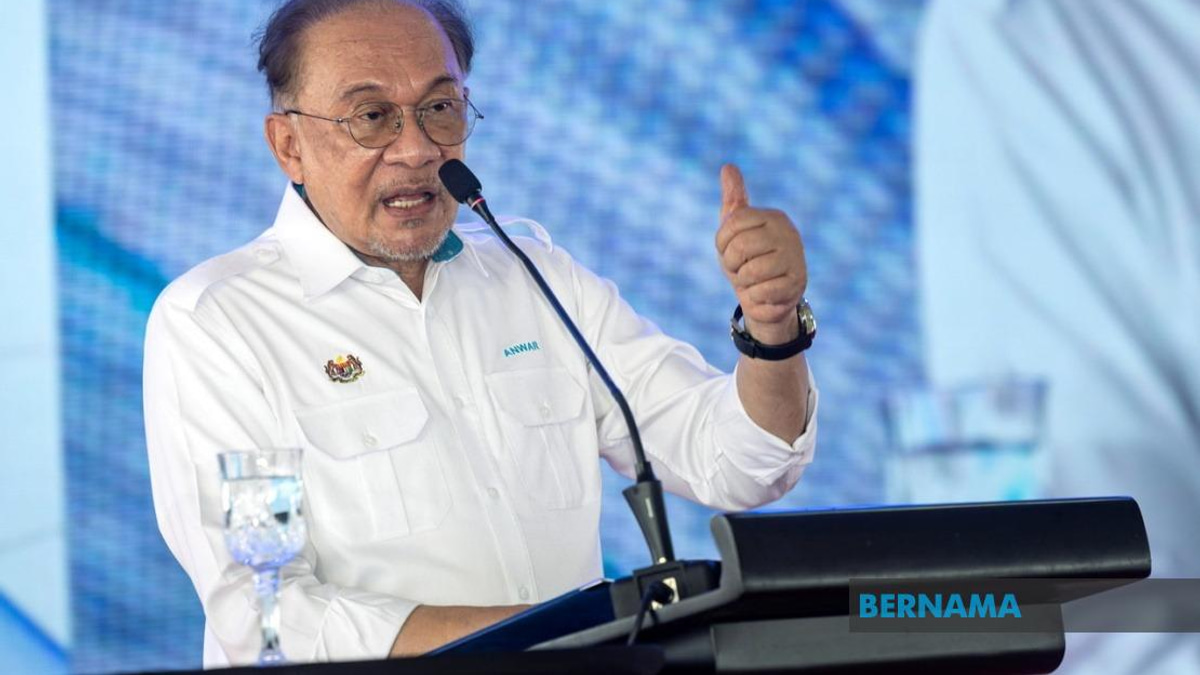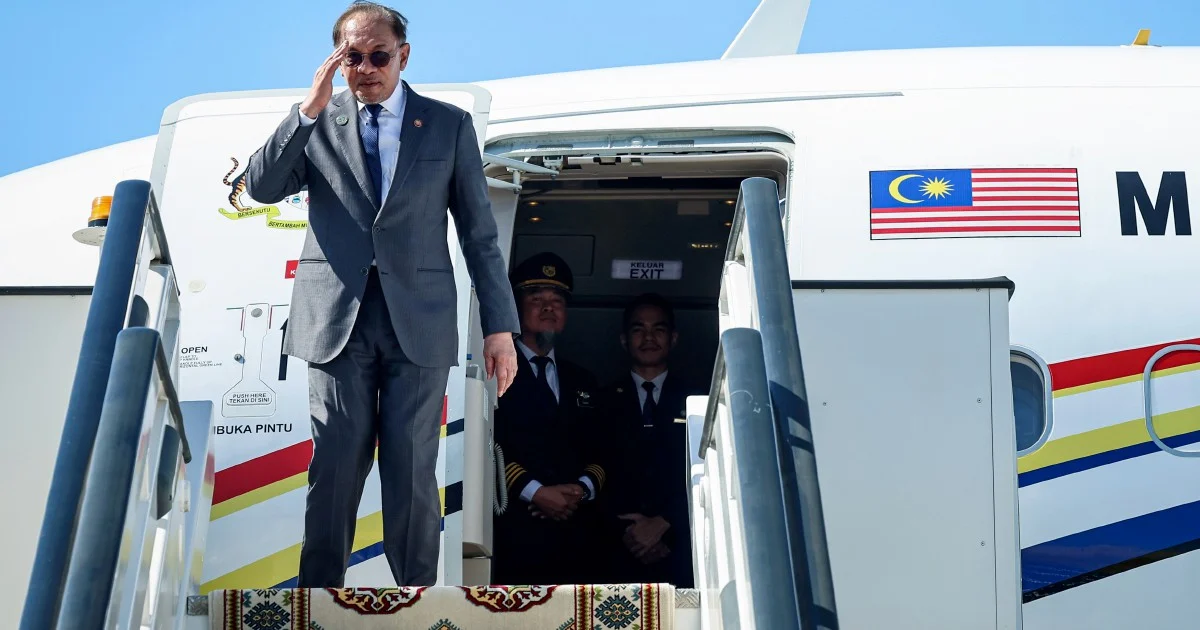
Prime Minister Datuk Seri Anwar Ibrahim has arrived in Penang, capping off an official visit to Turkmenistan and transitioning directly into a packed schedule of domestic commitments. His arrival in Butterworth marks the beginning of a significant series of engagements centred on media recognition and economic promotion, underscoring the government's continued emphasis on both public communication and foreign investment attraction.
The timing of Anwar's return reflects the administration's balancing act between international diplomatic obligations and domestic policy priorities. The Turkmenistan visit, preceding his Penang engagement, forms part of Malaysia's broader strategy to deepen ties with Central Asian nations and explore mutual economic opportunities. Such missions often involve discussions on energy cooperation, trade partnerships, and bilateral agreements that carry implications for Malaysia's regional positioning and economic diversification efforts.
The National Journalists' Day 2026 (Hawana) grand finale represents a flagship event honouring the country's media fraternity and their contributions to public discourse. By attending the concluding ceremonies, Anwar underscores the government's commitment to press freedom and the role of journalism in democratic governance. This symbolic gesture carries weight in Malaysia's ongoing conversation about media relationships and editorial independence, particularly given the current political landscape where responsible journalism has become increasingly scrutinised.
Penang's selection as the venue for these events reflects the state's growing importance as a centre for both policy announcements and international engagement. The northern corridor state has consistently served as a platform for major government initiatives, combining its historical significance with modern economic aspirations. The confluence of media recognition and investment promotion in a single location suggests a coordinated communication strategy aimed at both domestic and international audiences.
The investment-related components of Anwar's Penang visit align with the government's broader economic agenda centred on attracting foreign direct investment and supporting domestic entrepreneurship. Penang, with its established manufacturing base, technological expertise, and strategic geographic position, remains a prime destination for such promotional activities. The involvement of senior political leadership in investment events signals the seriousness with which the administration treats economic growth and business confidence during a period of moderate regional economic expansion.
For Malaysian journalists and media organisations, the prominence given to Hawana 2026 reflects recognition of their evolving roles in a rapidly changing information ecosystem. The grand finale provides an opportunity to celebrate professional achievements while also considering the industry's future direction amid digital disruption, declining print advertising, and shifting audience consumption patterns. Media practitioners attending will encounter conversations about adapting to contemporary challenges while maintaining editorial standards and ethical reporting practices.
The clustering of official appearances also demonstrates the efficiency of Anwar's travel schedule, minimising disruption while maximising visibility and engagement across multiple constituencies. This approach allows the prime minister to address the business community, media professionals, and state-level stakeholders within a concentrated timeframe, potentially generating substantial news coverage and reinforcing key government messages through different channels.
Anwar's diplomatic engagement in Turkmenistan, preceding his Penang commitments, positions Malaysia within Central Asian geopolitical considerations while maintaining robust domestic focus. The succession of international and domestic events reflects the demands on contemporary prime ministerial roles, which increasingly require executives to operate simultaneously across global and local spheres. For Malaysian policymakers and business leaders observing these movements, the message is clear: international partnerships and domestic development remain intertwined priorities requiring concurrent attention.
The investment forum component of Anwar's Penang visit arrives at a crucial moment for Malaysia's economic narrative. Sustained efforts to attract high-value foreign investment remain essential for driving technological advancement, creating quality employment, and supporting the transition towards higher-value manufacturing and services. Events featuring prime ministerial participation typically generate renewed interest from potential investors and reinforce Malaysia's commitment to business-friendly governance and infrastructure development.
Median reactions to such high-level visits often revolve around expectations of policy announcements or commitments. Stakeholders monitoring Anwar's Penang engagement will likely scrutinise any statements regarding industrial policy, media development initiatives, or investment incentives that could signal shifts in government priorities. The juxtaposition of media recognition with investment promotion suggests an integrated approach to national development, acknowledging that economic progress depends partly on effective public communication and stakeholder engagement.

%22%2F%3E%3C%2Fpattern%3E%3C%2Fdefs%3E%3Crect%20width%3D%22100%25%22%20height%3D%22100%25%22%20fill%3D%22url(%23ph523ndg)%22%2F%3E%3Crect%20width%3D%22100%25%22%20height%3D%22100%25%22%20fill%3D%22url(%23ph523ndp)%22%2F%3E%3Ctext%20x%3D%2250%25%22%20y%3D%2250%25%22%20text-anchor%3D%22middle%22%20dominant-baseline%3D%22central%22%20fill%3D%22rgba(255%2C255%2C255%2C0.95)%22%20font-family%3D%22Georgia%2C%20'Times%20New%20Roman'%2C%20serif%22%20font-weight%3D%22700%22%20font-size%3D%22272%22%20letter-spacing%3D%22-0.02em%22%3EAnwar%3C%2Ftext%3E%3C%2Fsvg%3E)