%22%2F%3E%3C%2Fpattern%3E%3C%2Fdefs%3E%3Crect%20width%3D%22100%25%22%20height%3D%22100%25%22%20fill%3D%22url(%23ph55wcog)%22%2F%3E%3Crect%20width%3D%22100%25%22%20height%3D%22100%25%22%20fill%3D%22url(%23ph55wcop)%22%2F%3E%3Ctext%20x%3D%2250%25%22%20y%3D%2250%25%22%20text-anchor%3D%22middle%22%20dominant-baseline%3D%22central%22%20fill%3D%22rgba(255%2C255%2C255%2C0.95)%22%20font-family%3D%22Georgia%2C%20'Times%20New%20Roman'%2C%20serif%22%20font-weight%3D%22700%22%20font-size%3D%22272%22%20letter-spacing%3D%22-0.02em%22%3EAnwar%3C%2Ftext%3E%3C%2Fsvg%3E)
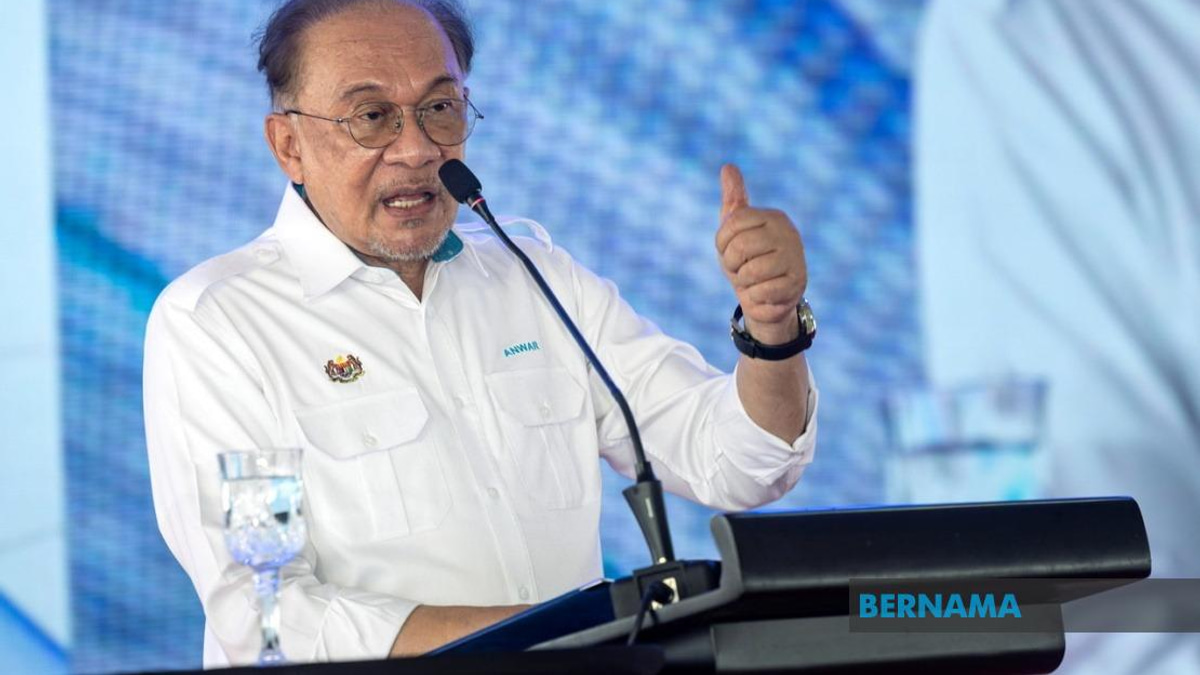
Prime Minister Datuk Seri Anwar Ibrahim has made a case for substantially deepening ties between the Association of Southeast Asian Nations and Russia, emphasizing untapped opportunities in commerce, technological advancement, and resource partnerships. Speaking in Kazan, Anwar articulated a vision of ASEAN as a counterweight to existing global economic arrangements, arguing that mutual engagement would benefit both regions economically and strategically.
The Malaysian Premier's intervention comes amid shifting geopolitical dynamics in Asia-Pacific, where regional powers seek to balance relationships with major global actors. ASEAN's continued emphasis on neutrality and non-alignment has historically guided its approach to engagement with external powers, including Russia. Anwar's remarks reflect Malaysia's own positioning as a bridge-builder between different blocs, a role the country has cultivated since its establishment of diplomatic relations with Moscow during the Cold War.
Energy cooperation emerged as a primary focal point in Anwar's advocacy. Russia remains one of the world's largest hydrocarbon exporters, whilst several ASEAN members face growing energy demands as their economies expand. For oil and liquefied natural gas importers like Malaysia, Singapore, and Thailand, diversified sourcing from reliable partners mitigates supply concentration risk and price volatility. The region's renewable energy transition, though accelerating, will require decades of continued fossil fuel reliance, creating a natural arena for Russian-ASEAN interaction.
Trade normalisation and expansion represented another plank of the initiative. Western sanctions imposed on Russia following geopolitical tensions have redirected Moscow's commercial interests toward Asia-Pacific markets. Southeast Asia, with a combined population exceeding 600 million and growing middle-class consumption, presents attractive opportunities for Russian exporters seeking alternative markets. Conversely, ASEAN manufacturers and suppliers could access Russian and Central Asian markets more readily through formalised trading arrangements.
The artificial intelligence dimension of Anwar's proposal addresses a critical emerging domain where technological capability increasingly determines economic and strategic advantage. Russia possesses significant computational and theoretical expertise, whilst ASEAN nations are accelerating digital transformation across government and commerce. Collaborative research, talent exchange, and technology partnerships could accelerate adoption of AI tools tailored to regional needs—from agricultural productivity enhancement to financial services innovation and public administration efficiency.
Anwar's intervention carries particular significance for Malaysia, which holds substantial economic interests in maintaining stable relationships with multiple global powers. The country serves as a crucial transhipment hub and has invested heavily in technology sectors where AI development matters. Additionally, Malaysia's role as a leading palm oil producer intersects with energy discussions, as debates over biofuels and sustainable energy production continue internationally. Russian cooperation in agricultural technology and energy efficiency could strengthen Malaysian competitive positioning.
The regional context shapes the importance of ASEAN-Russia engagement. China's economic influence within ASEAN has grown substantially, whilst India has increased strategic engagement through East Asia Summit participation. Japan and South Korea maintain significant trade and investment footprints across the bloc. Russia, despite geographical proximity through shared maritime spaces and historical diplomatic ties, has traditionally played a secondary role in regional economic architecture. Anwar's advocacy suggests recognition that Russia's capacity as a resource provider and technology partner remains underutilised.
Institutional frameworks will prove essential to translating rhetorical commitments into substantive progress. The ASEAN Regional Forum and East Asia Summit provide existing platforms for Russia-ASEAN dialogue, though these forums typically address security matters. Dedicated trade commissions, sectoral working groups focused on energy and technology, and people-to-people exchange programmes could institutionalise cooperation at deeper levels. Vietnam's precedent of managing complex relationships whilst maintaining ASEAN consensus offers a template worth emulating.
Domestic political considerations also matter. Anwar's government faces pressure to demonstrate tangible economic benefits to Malaysian voters through job creation and trade expansion. Positioning Malaysia as a facilitator of ASEAN-Russia engagement generates diplomatic capital whilst potentially attracting investment and trade from both directions. However, balancing this approach against existing commitments to Western partners and multilateral institutions requires sophisticated diplomacy.
The geopolitical calculations surrounding Anwar's initiative reflect broader Southeast Asian strategic recalibration. The region has experienced increased great power competition, heightened by tensions involving Taiwan, the South China Sea, and arms race dynamics. ASEAN's hedging strategy—maintaining relationships across competing powers—depends partly on demonstrating that economic diversification remains possible. Russian engagement offers one mechanism through which this diversification can advance without explicitly choosing sides in broader geopolitical confrontations.
Implementation challenges remain substantial. Logistical infrastructure connecting ASEAN and Russian markets requires investment in maritime routes and financial mechanisms. Regulatory harmonisation for technology collaboration demands bureaucratic coordination across multiple jurisdictions operating under different legal frameworks. Sanctions compliance by third parties, particularly US-aligned entities, may complicate certain commercial arrangements. These practical obstacles suggest that rhetoric must translate into concrete mechanisms and political will from all participants.
Looking forward, Anwar's proposal signals that ASEAN nations increasingly view Russia as a potentially valuable economic partner despite geopolitical pressures discouraging such engagement. Whether this translates into meaningful deepening of ties depends on Russian willingness to invest in the relationship beyond energy exports and on ASEAN members' capacity to navigate external sensitivities. The initiative also reflects Malaysian leadership aspiration within the regional bloc—positioning the country as intellectually influential in shaping ASEAN's external partnerships.

%22%2F%3E%3C%2Fpattern%3E%3C%2Fdefs%3E%3Crect%20width%3D%22100%25%22%20height%3D%22100%25%22%20fill%3D%22url(%23ph523ndg)%22%2F%3E%3Crect%20width%3D%22100%25%22%20height%3D%22100%25%22%20fill%3D%22url(%23ph523ndp)%22%2F%3E%3Ctext%20x%3D%2250%25%22%20y%3D%2250%25%22%20text-anchor%3D%22middle%22%20dominant-baseline%3D%22central%22%20fill%3D%22rgba(255%2C255%2C255%2C0.95)%22%20font-family%3D%22Georgia%2C%20'Times%20New%20Roman'%2C%20serif%22%20font-weight%3D%22700%22%20font-size%3D%22272%22%20letter-spacing%3D%22-0.02em%22%3EAnwar%3C%2Ftext%3E%3C%2Fsvg%3E)