%22%2F%3E%3C%2Fpattern%3E%3C%2Fdefs%3E%3Crect%20width%3D%22100%25%22%20height%3D%22100%25%22%20fill%3D%22url(%23ph1pluig)%22%2F%3E%3Crect%20width%3D%22100%25%22%20height%3D%22100%25%22%20fill%3D%22url(%23ph1pluip)%22%2F%3E%3Ctext%20x%3D%2250%25%22%20y%3D%2250%25%22%20text-anchor%3D%22middle%22%20dominant-baseline%3D%22central%22%20fill%3D%22rgba(255%2C255%2C255%2C0.95)%22%20font-family%3D%22Georgia%2C%20'Times%20New%20Roman'%2C%20serif%22%20font-weight%3D%22700%22%20font-size%3D%22272%22%20letter-spacing%3D%22-0.02em%22%3EAnwar%3C%2Ftext%3E%3C%2Fsvg%3E)
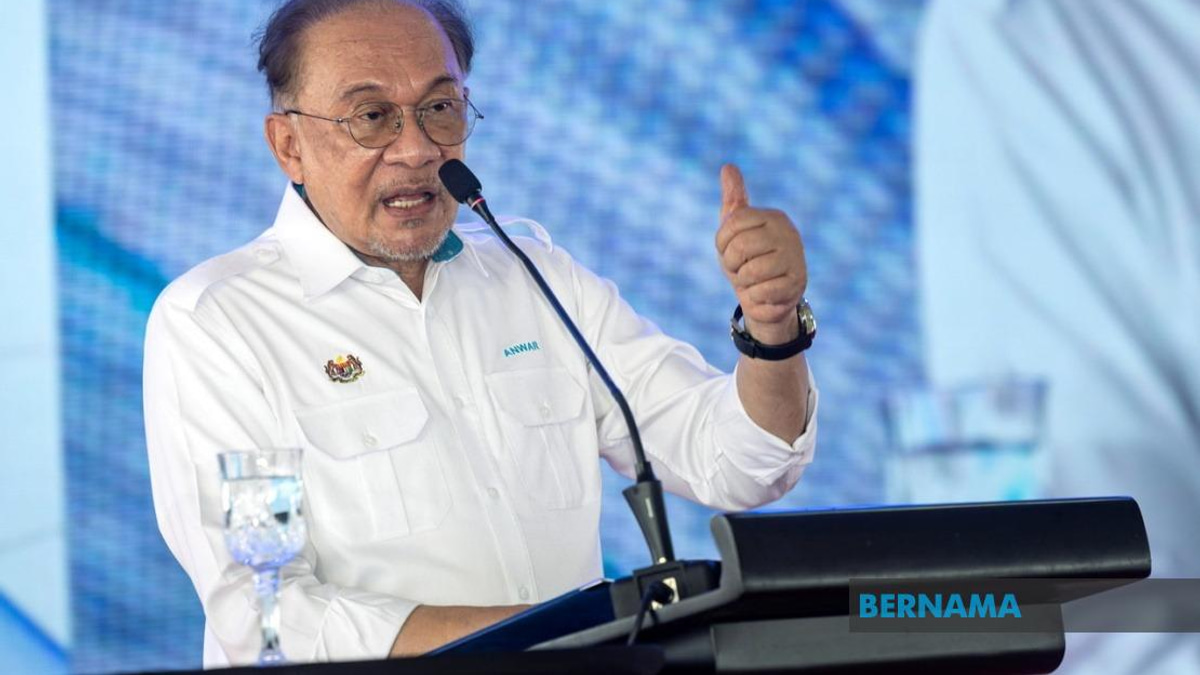
Malaysia's Prime Minister Datuk Seri Anwar Ibrahim has publicly acknowledged the diplomatic stances adopted by Russia and China regarding two of the most volatile geopolitical flashpoints affecting global stability: the ongoing Gaza conflict and Iran's military operations. His remarks underscore Kuala Lumpur's careful navigation of international relations during a period of heightened Middle Eastern tensions that have reverberated across Asia and beyond.
The Malaysian leader's commendation comes at a critical juncture when emerging powers are increasingly asserting their influence in global affairs, particularly in matters affecting Muslim-majority nations. For Malaysia, a country with significant Islamic constituencies and a non-aligned foreign policy tradition, positioning itself alongside major powers on sensitive humanitarian and security issues carries substantial domestic and regional implications. Anwar's comments suggest that Kuala Lumpur views Moscow and Beijing's condemnation of the Gaza violence as aligned with Malaysia's own emphasis on humanitarian concerns and regional stability.
Russia's public criticism of the Gaza situation reflects its broader strategic interests in positioning itself as an alternative voice to Western-led narratives on Middle Eastern conflicts. As a permanent member of the UN Security Council and a major regional actor through its involvement in Syria and broader Middle Eastern affairs, Russia's statements on Gaza carry geopolitical weight. Similarly, China's diplomatic pronouncements on the Gaza crisis and Iran's defensive military responses must be understood within Beijing's framework of supporting developing nations and challenging Western hegemony, while simultaneously protecting its vast economic interests throughout the Middle East and Southeast Asia.
China's position is particularly significant for Malaysia, given the extensive economic ties binding the two nations and Beijing's growing strategic importance in regional affairs. The Middle Kingdom's careful messaging on Iran and Gaza reflects its dual concerns: maintaining stability in critical energy supply routes while supporting narratives that frame the Global South's grievances as legitimate. For Malaysian policymakers, China's stance provides diplomatic cover for taking positions sympathetic to Palestinian and Iranian interests without appearing to isolate themselves from major trading partners or security stakeholders.
Anwar's public appreciation of these positions also signals Malaysia's alignment with non-aligned movement principles, which have historically defined the country's foreign policy orientation. Malaysia, as a founding member of the Non-Aligned Movement and a prominent voice within the Organisation of Islamic Cooperation, often champions the interests of developing nations and oppressed populations. By praising Russia and China's condemnations, Anwar reinforces Malaysia's commitment to these principles while strengthening ties with powers that increasingly compete for influence in Asia-Pacific geopolitics.
The timing of these remarks carries particular importance given the interconnected nature of Middle Eastern and Asian security challenges. Iran's military capabilities and regional activities directly affect shipping lanes critical to Malaysian trade, while Palestinian issues resonate deeply within Malaysia's Muslim-majority population. Anwar's comments reflect an understanding that Malaysia's interests extend beyond immediate borders and require engagement with major powers shaping the global order.
However, Malaysia's diplomatic positioning must also account for its complex relationships with Western powers and its role within regional architectures like ASEAN, which deliberately maintains neutrality on contentious global issues. By emphasizing Russian and Chinese positions rather than articulating entirely independent Malaysian perspectives, Anwar may be attempting to balance multiple foreign policy objectives simultaneously—supporting humanitarian causes, maintaining great power relationships, and preserving ASEAN's unity on non-interference principles.
The global context for these remarks includes escalating tensions that threaten international peace and Malaysia's economic interests. Military escalations in the Middle East directly impact oil prices, shipping security, and regional stability that affects Malaysian businesses operating throughout Asia and the Middle East. Russia and China's diplomatic stances, whether viewed as principled or strategic, represent significant positions in ongoing international negotiations that shape outcomes affecting Malaysian interests.
Anwar's diplomatic language also demonstrates Malaysia's broader challenge in foreign policy: advocating for principles like self-determination and humanitarian protection while maintaining pragmatic relationships with diverse international actors. The Prime Minister's comments suggest that Malaysia sees value in building alignments with powers capable of influencing Middle Eastern dynamics, particularly regarding conflicts affecting Muslim populations and regional stability. This reflects a recognition that smaller nations must carefully leverage relationships with major powers to amplify their voice in international forums.
Looking forward, Malaysia's positioning on these issues will likely continue balancing humanitarian concerns with strategic interests. Anwar's acknowledgment of Russian and Chinese positions on Gaza and Iran suggests that Kuala Lumpur will remain engaged with all major powers while maintaining its traditional commitment to supporting developing nations and Muslim-majority countries. As global tensions persist, Malaysia's diplomatic approach—embodied in the Prime Minister's recent remarks—will continue attempting to uphold principles while pragmatically engaging with the complex realities of modern international relations.

%22%2F%3E%3C%2Fpattern%3E%3C%2Fdefs%3E%3Crect%20width%3D%22100%25%22%20height%3D%22100%25%22%20fill%3D%22url(%23ph523ndg)%22%2F%3E%3Crect%20width%3D%22100%25%22%20height%3D%22100%25%22%20fill%3D%22url(%23ph523ndp)%22%2F%3E%3Ctext%20x%3D%2250%25%22%20y%3D%2250%25%22%20text-anchor%3D%22middle%22%20dominant-baseline%3D%22central%22%20fill%3D%22rgba(255%2C255%2C255%2C0.95)%22%20font-family%3D%22Georgia%2C%20'Times%20New%20Roman'%2C%20serif%22%20font-weight%3D%22700%22%20font-size%3D%22272%22%20letter-spacing%3D%22-0.02em%22%3EAnwar%3C%2Ftext%3E%3C%2Fsvg%3E)