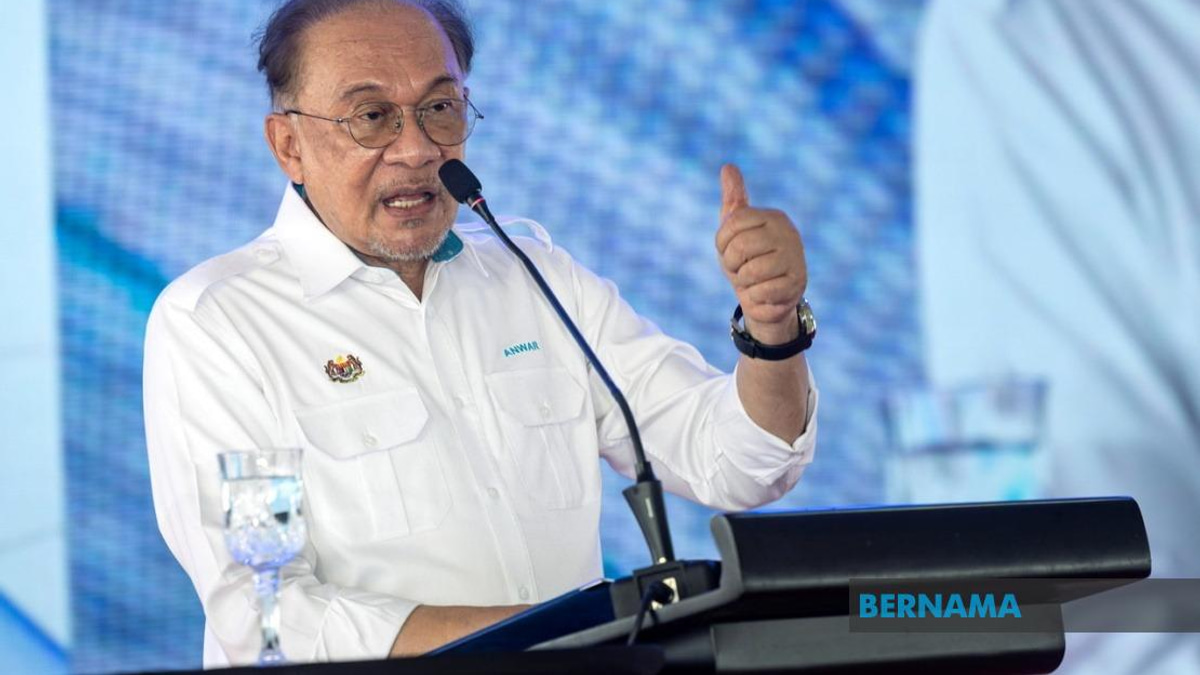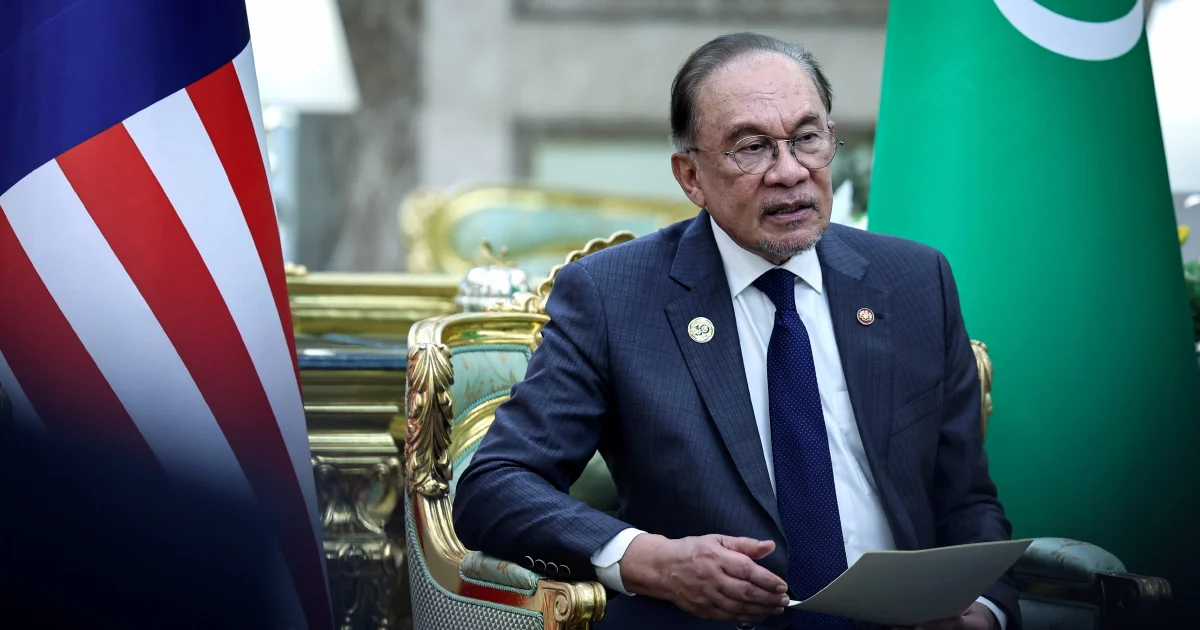
Prime Minister Datuk Seri Anwar Ibrahim has thrown Malaysia's diplomatic weight behind emerging reports of an initial understanding between the United States and Iran, characterising the development as welcome news for a world grappling with deepening geopolitical tensions. Speaking in Batu Kawan, Anwar framed the reported agreement not merely as bilateral progress between two long-estranged powers, but as a significant moment with implications extending far beyond Washington and Tehran, suggesting that even incremental diplomatic breakthroughs carry outsized importance in an era of regional fragmentation and strategic rivalry.
The Prime Minister's endorsement reflects Malaysia's broader commitment to multilateral diplomacy and conflict resolution, positioning the nation within a growing chorus of voices internationally that view direct engagement between adversaries as preferable to escalating military posturing. For a country like Malaysia, situated in one of the world's most dynamic and complex geopolitical neighbourhoods, such positions carry practical significance—instability in the Middle East invariably reverberates through global energy markets, shipping lanes, and investment flows that directly touch Southeast Asian economies. Anwar's remarks suggest Kuala Lumpur is attentively monitoring developments that could reshape international power dynamics and reshape calculations about regional stability.
The timing of Malaysia's diplomatic signal is noteworthy, coming as several Southeast Asian nations have sought to maintain balanced relationships with both Western powers and rising authoritarian states. Unlike some regional peers that have been pulled closer to Beijing or Washington through strategic alignment, Malaysia has consciously cultivated a more independent foreign policy orientation. This has allowed the country to position itself as a potential honest broker in disputes where other nations face uncomfortable pressures to take sides. By welcoming US-Iran progress, Anwar reinforces Malaysia's identity as a nation believing dialogue remains superior to confrontation, even when disagreement runs deep and historical grievances run long.
The reported US-Iran agreement, while preliminary in nature, represents a notable shift from years of maximum pressure policies and escalatory rhetoric that characterised much of the 2017-2021 period. For Malaysia and other nations in the Islamic world, improved US-Iran relations carry religious and cultural dimensions alongside their geopolitical implications. The country maintains diplomatic ties with both nations and has sought to avoid being drawn into their disputes, making any lowering of temperature welcome from a purely pragmatic standpoint. Anwar's comments suggest the government views even tentative progress as preferable to the alternative of continued hostile posturing that risks unexpected military incidents.
From an economic perspective, Southeast Asian nations including Malaysia stand to benefit meaningfully from any sustained thaw in US-Iran tensions. Reduced geopolitical risk premiums in global energy markets could stabilise oil prices, benefiting both energy importers throughout the region and supply chains dependent on predictable fuel costs. Trade routes passing through the Strait of Hormuz—one of the world's most critical chokepoints through which roughly one-third of seaborne traded oil passes—could operate with reduced tension and security concerns. For Malaysian businesses with interests in Middle Eastern markets or reliant on global supply chains, political stability in the region represents a tangible economic benefit.
Anwar's embrace of the agreement also underscores Malaysia's investment in international institutions and multilateral frameworks designed to manage global tensions. The government has consistently advocated for the role of bodies like the United Nations in resolving disputes and fostering dialogue between opposing parties. By voicing support for US-Iran progress, the Prime Minister reinforces this philosophical commitment to institutional approaches to conflict resolution, even when those institutions face criticism for ineffectiveness in various crises.
The Malaysian leader's comments arrive during a period when the Southeast Asian region itself faces pressures from great power competition, territorial disputes, and questions about freedom of navigation in contested waters. These challenges underscore why diplomacy between major powers matters to middle-ranking nations. When the United States and Iran engage directly rather than through proxies or military posturing, it creates diplomatic space for other issues to receive international attention. Malaysia and its neighbours benefit when the world's most powerful countries are engaged in productive dialogue rather than confrontation.
Anwar's expression of hope for lasting peace rather than merely celebrating an initial agreement reveals sophisticated understanding of international relations. Initial agreements often prove fragile, particularly when they involve parties with decades of suspicion and competing interests. The Prime Minister's emphasis on durability suggests recognition that true breakthrough requires not just provisional arrangements but sustained commitment to resolving underlying disputes. For Malaysia, as a nation that has navigated numerous internal and external tensions, this realistic optimism reflects experience with the painstaking nature of conflict resolution.
Looking forward, Malaysia's position supporting US-Iran progress may create opportunities for the country to play modest roles in facilitating dialogue or serving as a neutral venue for negotiations. Several Southeast Asian capitals, including Kuala Lumpur, have occasionally hosted sensitive discussions between parties with fraught relationships. A sustained improvement in US-Iran relations could ultimately expand space for Malaysian diplomatic initiatives in the region and beyond, reinforcing the country's identity as a serious player in global affairs despite its middle-power status.

%22%2F%3E%3C%2Fpattern%3E%3C%2Fdefs%3E%3Crect%20width%3D%22100%25%22%20height%3D%22100%25%22%20fill%3D%22url(%23ph523ndg)%22%2F%3E%3Crect%20width%3D%22100%25%22%20height%3D%22100%25%22%20fill%3D%22url(%23ph523ndp)%22%2F%3E%3Ctext%20x%3D%2250%25%22%20y%3D%2250%25%22%20text-anchor%3D%22middle%22%20dominant-baseline%3D%22central%22%20fill%3D%22rgba(255%2C255%2C255%2C0.95)%22%20font-family%3D%22Georgia%2C%20'Times%20New%20Roman'%2C%20serif%22%20font-weight%3D%22700%22%20font-size%3D%22272%22%20letter-spacing%3D%22-0.02em%22%3EAnwar%3C%2Ftext%3E%3C%2Fsvg%3E)