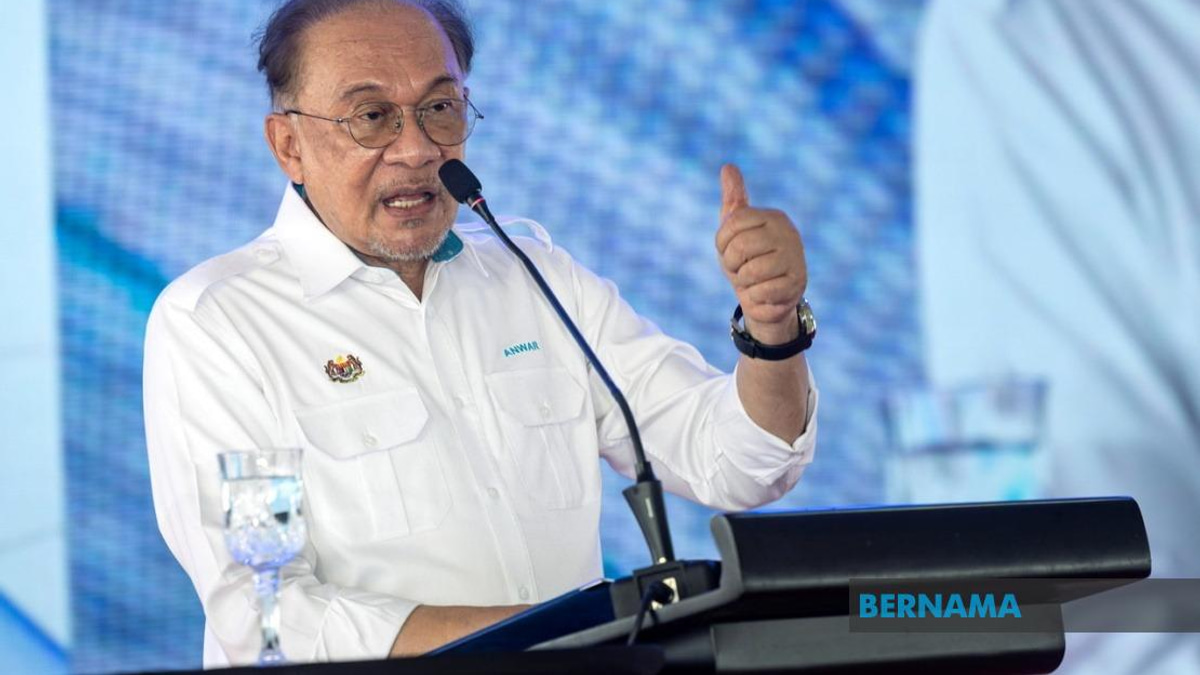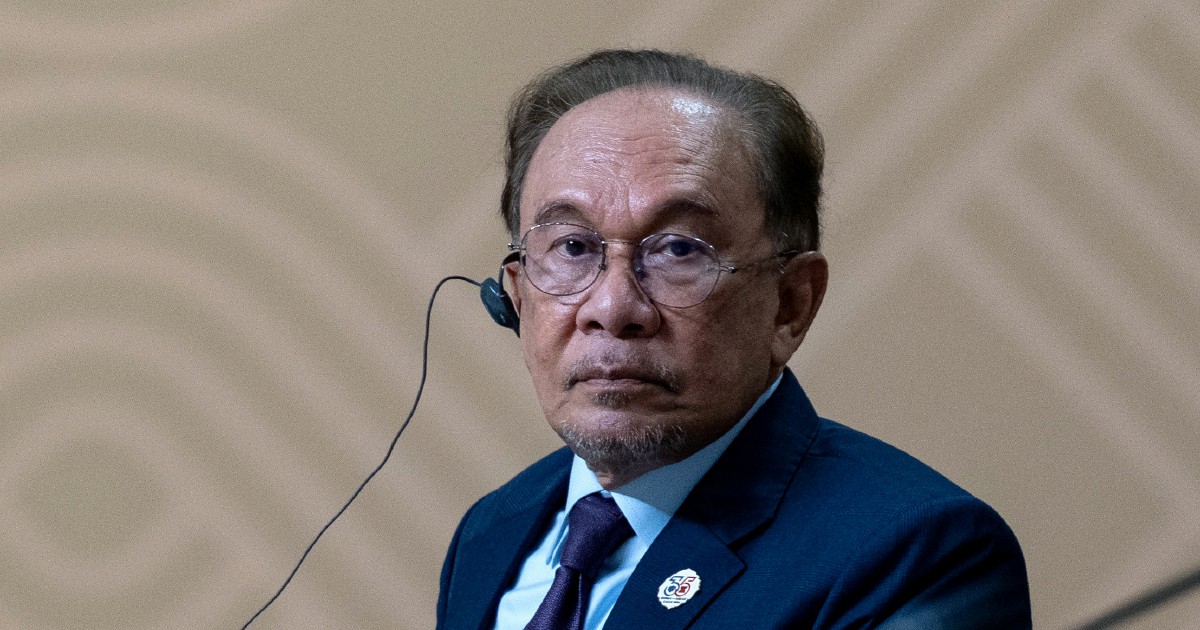
Malaysia's High Court has ruled in favour of Prime Minister Datuk Seri Anwar Ibrahim, allowing him to set aside a subpoena that would have obligated him to appear and testify as a witness in a RM30 million civil dispute. The decision, delivered in Kuala Lumpur, represents a significant development in the ongoing litigation and removes the requirement for the nation's chief executive to participate in court proceedings related to the case.
The case involves Vinod Sekhar as a defendant, with the RM30 million claim forming the centre of the legal dispute. The original subpoena had named the Prime Minister as a witness whose testimony was deemed necessary for the proceedings, placing him in an unusual position of having to balance his constitutional duties with his potential obligations under court process. The High Court's judgment recognised practical considerations surrounding the Prime Minister's official responsibilities and the broader implications of requiring the head of government to commit significant time to court attendance.
Applications to set aside subpoenas typically hinge on several factors, including whether the witness's testimony is genuinely essential, whether the burden on the witness is proportionate to the value of their evidence, and whether alternative means of obtaining necessary information exist. Courts in Malaysia have previously acknowledged that sitting heads of government operate under exceptional circumstances that may warrant different treatment than ordinary witnesses, particularly when core executive functions could be compromised by extended court involvement.
The decision underscores the delicate balance Malaysian courts must strike between ensuring access to justice and maintaining the functional capacity of the government. While the judiciary must have authority to compel testimony from any citizen when circumstances demand it, the practical realities of governing a nation of nearly 34 million people create genuine constraints. The Prime Minister's office manages defence, foreign relations, economic policy, and national security matters that cannot be indefinitely postponed for legal proceedings, no matter how significant.
Vinod Sekhar's case has drawn public attention partly because of the substantial sum involved and the high-profile nature of having the Prime Minister initially named as a potential witness. The litigation touches on commercial or contractual disputes that appear to have wider ramifications within Malaysia's business and legal landscape. The RM30 million quantum places this squarely among significant civil matters that courts treat with considerable gravity.
The ruling may have implications for how subsequent cases approach the question of requiring prime ministerial testimony. While this judgment does not establish formal precedent in the manner of appellate decisions, it signals the High Court's thinking on balancing judicial process with executive governance. Future litigants seeking to subpoena sitting heads of government will likely face similar scrutiny, with courts examining whether alternative evidence or testimony from other witnesses could adequately serve justice.
From a procedural standpoint, the setting aside of the subpoena does not necessarily reflect any judgment on the merits of the underlying dispute between Vinod Sekhar and the other parties. Rather, it addresses the separate question of whether the Prime Minister possessed information or perspective so crucial that his personal testimony became indispensable. The court apparently concluded that other evidence and witness accounts could sufficiently support the proceedings without requiring the Prime Minister's direct participation.
This development also touches on broader questions about the intersection of political leadership and legal accountability in Malaysia. While the system maintains that no one stands above the law, the practical operation of government requires that certain protections exist for sitting officials undertaking state business. The High Court's decision reflects established legal principles recognising that government function itself serves the public interest, and that paralyzing the executive branch through compelled testimony on peripheral matters may ultimately harm rather than serve justice.
The case serves as a reminder that Malaysia's courts continue to grapple with novel questions arising from the overlap between constitutional governance and ordinary civil litigation. As the nation's legal system matures, judges must develop nuanced approaches that protect both individual rights to judicial remedies and the institutional capacity of government to function. This decision represents one data point in an evolving jurisprudence on these complex issues.
For the plaintiff and other parties in the Vinod Sekhar dispute, the ruling means proceeding without direct testimony from the Prime Minister. Legal teams will need to restructure their evidence presentation and examine whether other witnesses, documents, or expert testimony can address gaps that the Prime Minister's testimony might have filled. The substantive merits of the RM30 million claim remain to be tested in subsequent court proceedings, where the focus will shift entirely to the commercial or contractual matters at the dispute's heart.

%22%2F%3E%3C%2Fpattern%3E%3C%2Fdefs%3E%3Crect%20width%3D%22100%25%22%20height%3D%22100%25%22%20fill%3D%22url(%23ph523ndg)%22%2F%3E%3Crect%20width%3D%22100%25%22%20height%3D%22100%25%22%20fill%3D%22url(%23ph523ndp)%22%2F%3E%3Ctext%20x%3D%2250%25%22%20y%3D%2250%25%22%20text-anchor%3D%22middle%22%20dominant-baseline%3D%22central%22%20fill%3D%22rgba(255%2C255%2C255%2C0.95)%22%20font-family%3D%22Georgia%2C%20'Times%20New%20Roman'%2C%20serif%22%20font-weight%3D%22700%22%20font-size%3D%22272%22%20letter-spacing%3D%22-0.02em%22%3EAnwar%3C%2Ftext%3E%3C%2Fsvg%3E)