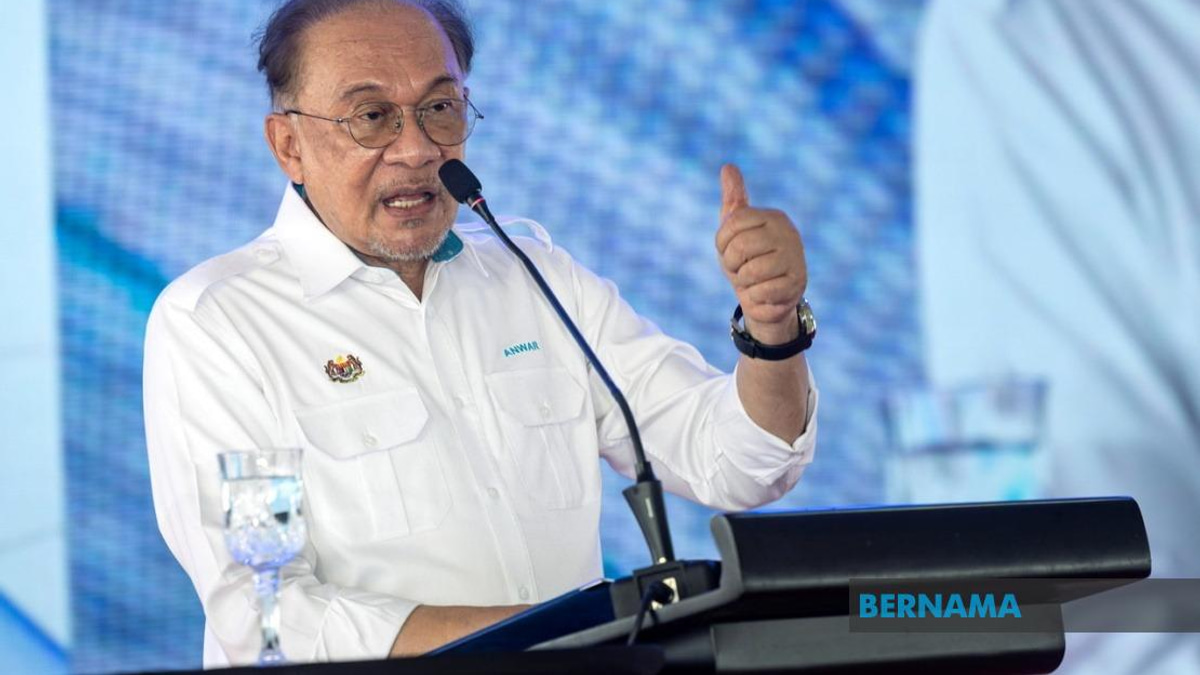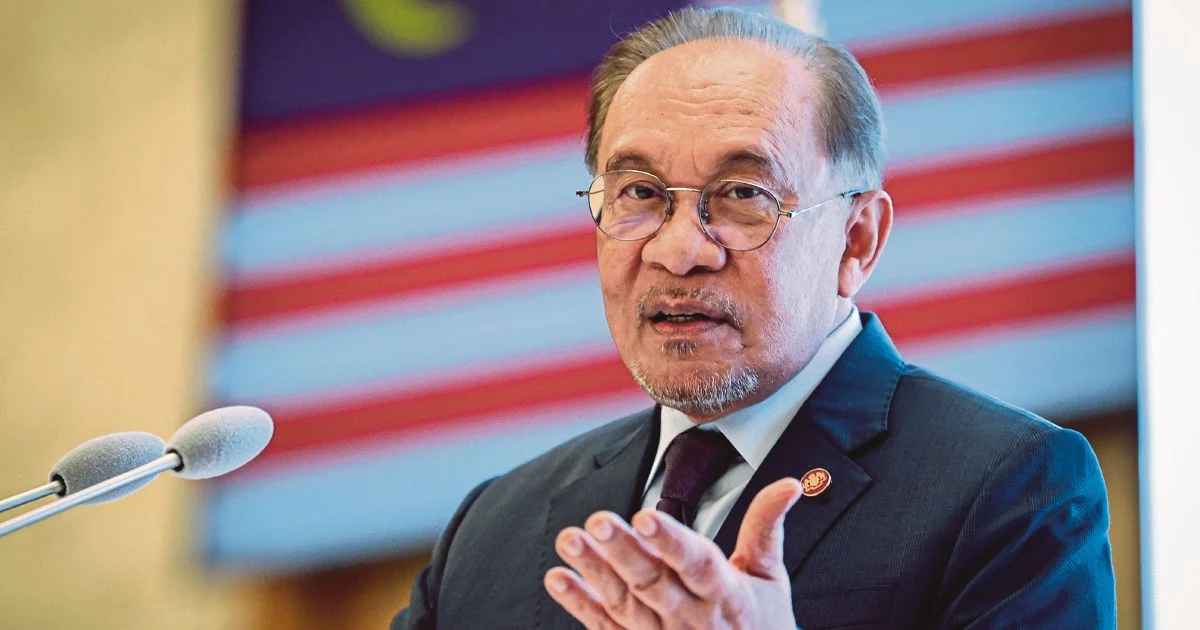
Turkmenistan's decision to grant Petronas a stake in one of the world's largest gas fields underscores the international community's confidence in Malaysia's political stability, national unity, and economic strength, Prime Minister Datuk Seri Anwar Ibrahim said at an event in Batu Kawan.
The move represents a significant endorsement of Malaysia's capabilities in managing large-scale energy projects and maintaining the regulatory environment necessary for foreign investors to commit substantial capital. Turkmenistan, a major hydrocarbon-producing nation and one of the world's foremost gas exporters, does not grant stakes in major projects to operators lacking strong financial credentials and proven technical expertise. Petronas's selection therefore carries considerable weight as a demonstration of the company's standing within the global energy sector.
The Prime Minister's remarks carry strategic importance as Malaysia works to strengthen its position as a reliable partner for international energy partnerships. The region faces mounting energy demands from rapidly industrialising economies, particularly across Southeast Asia. Malaysia's access to projects in Central Asia diversifies Petronas's asset base beyond its traditional operational areas and strengthens the company's ability to supply gas to domestic and regional markets in coming decades.
Anwar's framing of the agreement as a reflection of national stability touches on a broader narrative Malaysia has been cultivating in recent years. After periods of political turbulence and policy uncertainty in the mid-to-late 2010s, the country has worked to project an image of consolidated governance and economic predictability. Foreign investors, particularly those involved in long-term, capital-intensive ventures like upstream oil and gas development, require assurance that their interests will be protected and regulatory frameworks remain consistent over decades.
Turkmenistan's confidence in Petronas also signals the company's technical capabilities in managing complex offshore or deepwater gas operations. The Caspian Sea region presents significant technical challenges, with extreme environmental conditions and sophisticated reservoir management requirements. International energy firms bidding for stakes in such projects must demonstrate deep expertise in subsurface geology, drilling technology, and production optimisation. Petronas's track record in managing comparable projects in the South China Sea and other regions likely influenced Turkmenistan's decision.
For Malaysia, the geopolitical dimension of energy partnerships warrants attention. Central Asia, with its vast hydrocarbon reserves and middling development capacity, represents a zone where competition among international energy companies—and by extension, their home nations—continues intensely. Petronas's expanded role in the region positions Malaysia alongside other energy-producing and energy-consuming nations engaging in resource diplomacy. This enhances Malaysia's profile within discussions on energy security and international trade.
The timing of the agreement merits consideration within the context of global energy markets. Following Russia's invasion of Ukraine and subsequent disruptions to European gas supplies, countries worldwide have sought to secure long-term access to reliable, diversified energy sources. Turkmenistan, which previously supplied significant volumes to Russia-controlled pipelines, has repositioned itself to export gas through alternative routes. Partnerships with strong international operators like Petronas facilitate these efforts by ensuring technical capability and access to global markets.
For Petronas itself, the venture diversifies its exposure to markets and reduces concentration risk. Southeast Asian gas demand is growing, but supplies are not infinite. Securing stakes in foreign gas fields allows the company to build reserves that can be monetised over decades, supporting domestic supply, export revenues, and shareholder returns. The company's financial health directly affects Malaysia's overall economic resilience, given Petronas's contributions to government revenue through dividends and taxes.
The agreement also highlights the resilience of Malaysia's engagement with international energy markets despite occasional scepticism about petroleum dependency. While the nation pursues renewable energy targets and energy diversification, hydrocarbons remain central to national income and economic planning. Transactions of this scale—involving world-class gas fields and multinational partnerships—reinforce Malaysia's position as a serious participant in global energy commerce.
Domestically, success in Central Asia may strengthen Petronas's case for investment in exploration and production capabilities in Malaysian waters and neighbouring regions. The company's demonstrated competence abroad enhances its credibility with regulators and stakeholders when bidding for new opportunities closer to home. This creates a virtuous cycle where international success translates into expanded domestic operations and job creation.
Beyond the immediate commercial benefits, the agreement carries symbolic significance. It testifies to Malaysia's ability to maintain and expand strategic partnerships at a time when many nations face pressure to choose sides in geopolitical contests. Malaysia's non-aligned tradition and pragmatic approach to international relations appear to have served it well, allowing Petronas access to opportunities that might be restricted for companies from nations perceived as hostile to Turkmenistan's interests.
The Turkmenistan gas deal thus operates on multiple levels: as a commercial transaction strengthening Petronas's asset base, as a strategic validation of Malaysia's economic and political stability, and as evidence of the country's continued relevance in global energy markets. Anwar's public endorsement of the agreement reflects the government's understanding that energy security and international business partnerships constitute pillars of national prosperity.

%22%2F%3E%3C%2Fpattern%3E%3C%2Fdefs%3E%3Crect%20width%3D%22100%25%22%20height%3D%22100%25%22%20fill%3D%22url(%23ph523ndg)%22%2F%3E%3Crect%20width%3D%22100%25%22%20height%3D%22100%25%22%20fill%3D%22url(%23ph523ndp)%22%2F%3E%3Ctext%20x%3D%2250%25%22%20y%3D%2250%25%22%20text-anchor%3D%22middle%22%20dominant-baseline%3D%22central%22%20fill%3D%22rgba(255%2C255%2C255%2C0.95)%22%20font-family%3D%22Georgia%2C%20'Times%20New%20Roman'%2C%20serif%22%20font-weight%3D%22700%22%20font-size%3D%22272%22%20letter-spacing%3D%22-0.02em%22%3EAnwar%3C%2Ftext%3E%3C%2Fsvg%3E)