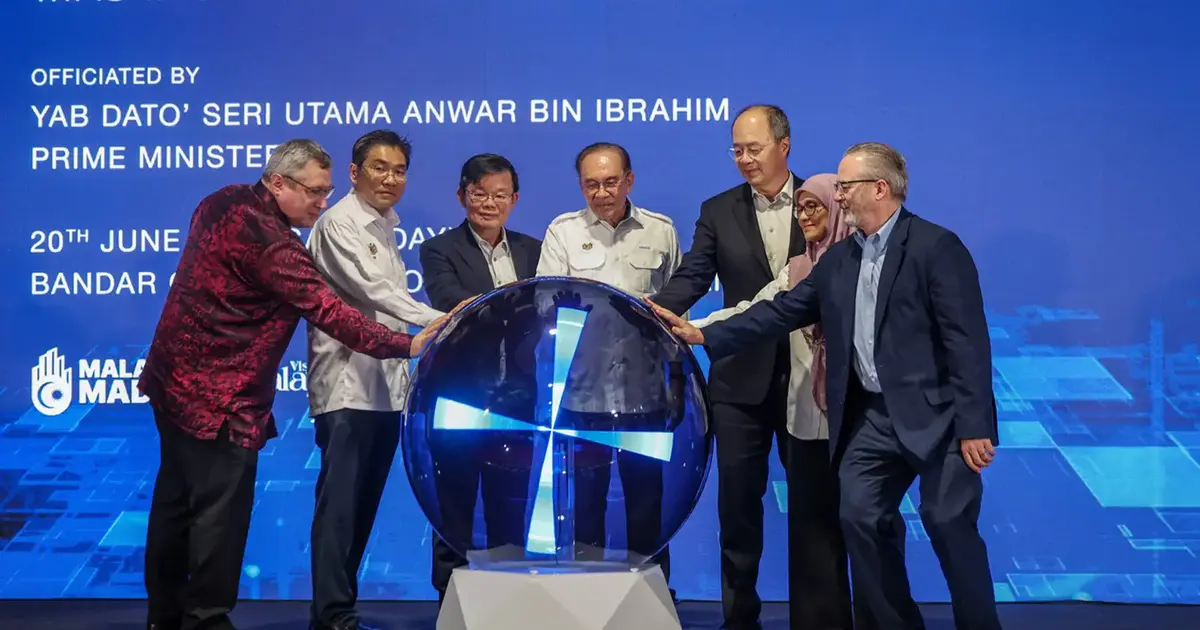
Prime Minister Anwar Ibrahim has taken a strategic step to deepen collaboration between Malaysia's semiconductor sector and academic institutions by appointing a dedicated adviser tasked with bridging the gap between industry players and universities. The appointment underscores the government's recognition of semiconductors as a critical pillar for Malaysia's economic transformation and technological advancement in an increasingly competitive global marketplace.
The semiconductor industry has emerged as one of the most pivotal sectors for Malaysia's future economic growth. As nations worldwide race to develop domestic semiconductor capabilities and reduce reliance on concentrated supply chains, Malaysia's established position as a global chipmaking hub presents significant opportunities. However, realising these opportunities requires seamless coordination between the private sector, which drives innovation and commercial deployment, and academic institutions that develop talent and conduct foundational research. The new adviser role reflects an understanding that such collaboration does not always materialise naturally and often requires dedicated facilitation at the highest levels of government.
Anwar emphasised during the announcement that this appointment will impose no additional financial burden on the government. This commitment to fiscal responsibility is particularly relevant in Malaysia's current economic context, where budget constraints require careful resource allocation. By leveraging existing personnel and structures rather than creating new bureaucratic layers, the government demonstrates pragmatism in its approach to structural reform. The adviser will work within existing governmental frameworks, coordinating efforts across multiple stakeholders without necessitating supplementary funding allocations.
The move also reflects broader regional trends within Southeast Asia, where governments increasingly recognise the strategic importance of semiconductor self-sufficiency. Thailand, Vietnam, and Indonesia have launched initiatives to develop their own semiconductor ecosystems, intensifying competition for investment, talent, and international partnerships. Malaysia's existing semiconductor manufacturing infrastructure and skilled workforce give it advantages in this regional competition, but only if these assets are properly coordinated with knowledge generation from universities. The adviser's role becomes crucial in ensuring Malaysia maintains and strengthens its competitive edge.
Universities across Malaysia possess significant research capabilities in microelectronics, materials science, and advanced manufacturing technologies. Yet many academics and researchers operating in these fields report disconnects between university research agendas and real-world industry challenges. Companies, conversely, sometimes struggle to identify relevant expertise within academic institutions or navigate the processes required to establish productive partnerships. An adviser positioned at the prime minister's office can help remove these friction points by creating clearer pathways for collaboration, facilitating introductions, and identifying opportunities where university research directly addresses industry needs.
The appointment also signals commitment to developing Malaysia's homegrown semiconductor talent pipeline. As global semiconductor companies expand operations in Malaysia, they typically recruit experienced engineers and scientists. However, universities must continuously train new professionals to replace departing talent and meet growing industry demand. By fostering stronger university-industry partnerships, Malaysia can ensure its educational institutions remain responsive to evolving skill requirements. Internship programmes, collaborative research projects, and industry mentorship of academic programmes can better align training with actual job market demands.
From a geopolitical perspective, this move occurs against the backdrop of intensifying great power competition over semiconductor dominance. The United States and its allies have implemented policies to reshape global semiconductor supply chains, while China continues investing heavily in indigenous chip production. Southeast Asian countries, including Malaysia, occupy strategically important positions in these supply chain dynamics. A government-coordinated approach to strengthening semiconductor capabilities makes Malaysia a more attractive partner for international technology firms seeking geographically diversified manufacturing and innovation hubs.
The adviser role also reflects recognition that semiconductor advancement requires multidisciplinary collaboration. Modern chip development involves advances in physics, chemistry, computer science, engineering, and materials science. Universities excel at pursuing knowledge across these disciplines, while industry drives rapid commercialisation. An effective bridge between these domains can accelerate innovation cycles. The adviser can facilitate research collaborations that combine academic rigour with commercial intent, potentially generating intellectual property and innovations that benefit both sectors.
Looking ahead, this appointment may catalyse broader institutional changes within Malaysia's higher education and industrial policy frameworks. Successful collaboration between the adviser and stakeholders might identify systemic barriers to university-industry partnership that require policy reform. These could range from intellectual property arrangements to regulatory frameworks governing collaborative research. By starting with a dedicated advisory role, the government establishes a platform for identifying such issues and developing comprehensive solutions without immediately mandating sweeping policy changes.
The semiconductor industry's importance extends beyond economic metrics into questions of national technological sovereignty. A robust domestic semiconductor ecosystem, supported by cutting-edge research and a continuously trained workforce, strengthens Malaysia's long-term technological independence. While Malaysia will remain integrated into global supply chains, reducing critical gaps in domestic capabilities reduces vulnerability to external disruptions. The new adviser role contributes to this broader strategic objective while maintaining fiscal discipline.

%22%2F%3E%3C%2Fpattern%3E%3C%2Fdefs%3E%3Crect%20width%3D%22100%25%22%20height%3D%22100%25%22%20fill%3D%22url(%23ph523ndg)%22%2F%3E%3Crect%20width%3D%22100%25%22%20height%3D%22100%25%22%20fill%3D%22url(%23ph523ndp)%22%2F%3E%3Ctext%20x%3D%2250%25%22%20y%3D%2250%25%22%20text-anchor%3D%22middle%22%20dominant-baseline%3D%22central%22%20fill%3D%22rgba(255%2C255%2C255%2C0.95)%22%20font-family%3D%22Georgia%2C%20'Times%20New%20Roman'%2C%20serif%22%20font-weight%3D%22700%22%20font-size%3D%22272%22%20letter-spacing%3D%22-0.02em%22%3EAnwar%3C%2Ftext%3E%3C%2Fsvg%3E)