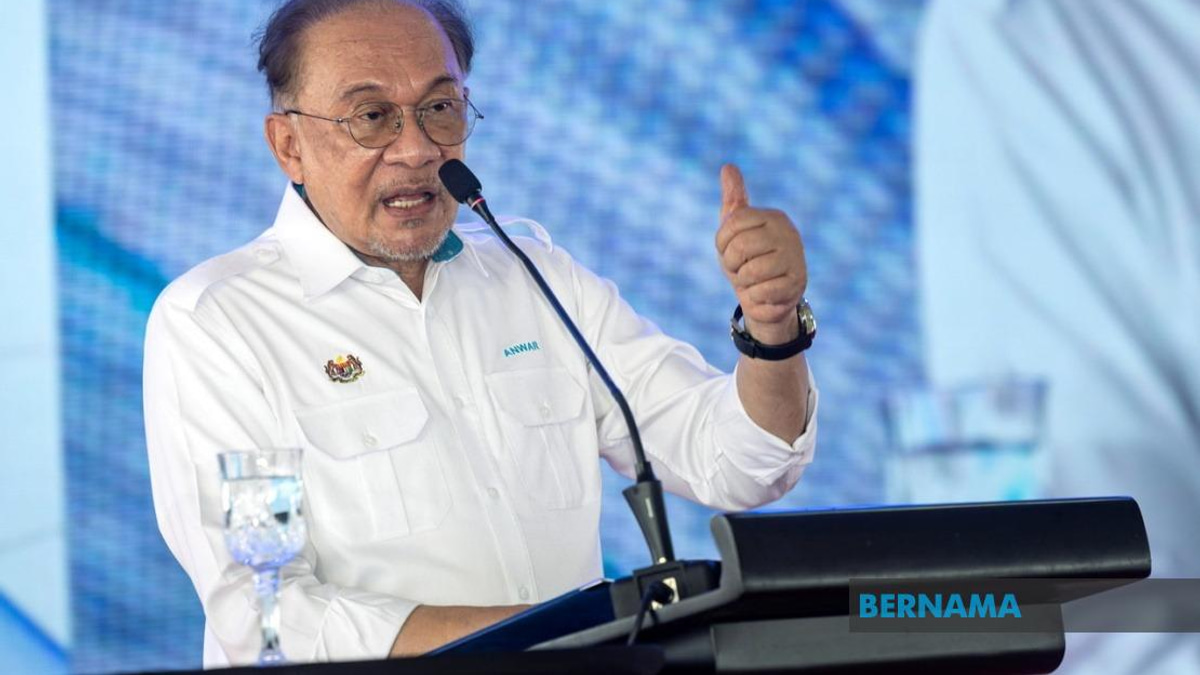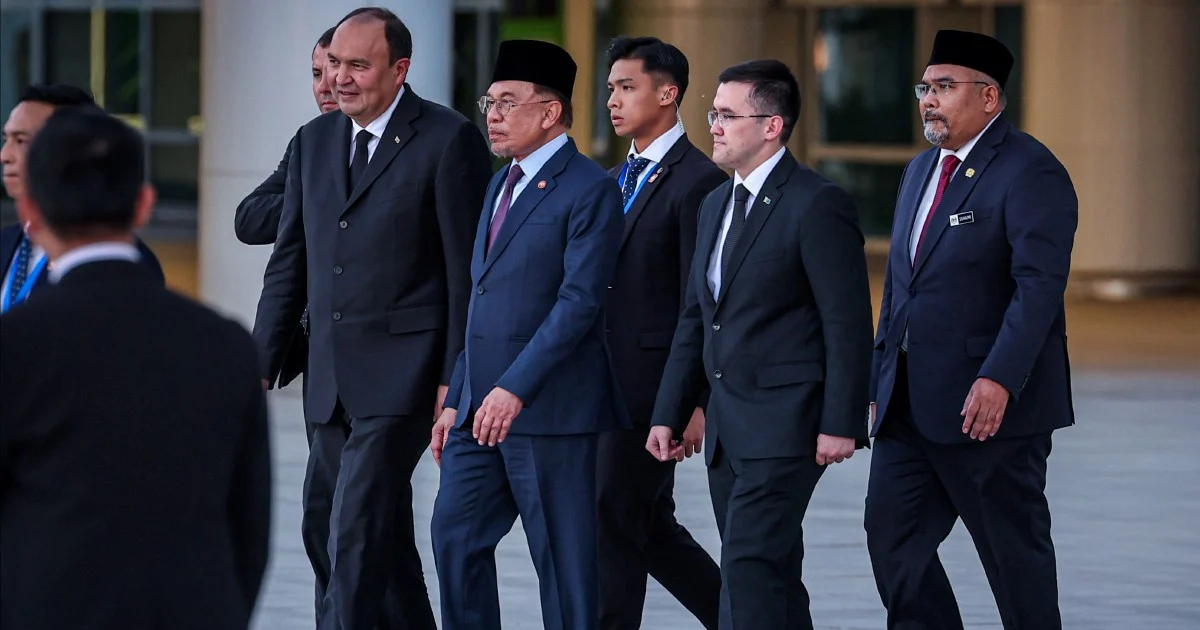
Prime Minister Datuk Seri Anwar Ibrahim is using the final day of his official visit to Turkmenistan to engage in a packed schedule of high-level meetings aimed at advancing Malaysia's commercial interests in Central Asia. The culmination of his two-day diplomatic mission to the Caspian Sea nation represents a strategic push to establish deeper economic partnerships beyond Malaysia's traditional trading spheres in Southeast Asia and the wider Indo-Pacific region.
Turkmenistan, positioned along the eastern shore of the Caspian Sea, occupies a critical geopolitical position that bridges Central Asia, the Middle East, and South Asia. For Malaysia, engagement with Ashgabat signals an intentional diversification of trade pathways and investment avenues away from more saturated markets. The Central Asian republics have increasingly become focal points for emerging economies seeking to establish footholds in resource-rich and strategically positioned territories.
The bilateral talks between Anwar and Turkmenistan's president are expected to address multiple dimensions of economic cooperation. Both nations are likely to explore frameworks that would facilitate greater trade volumes, establish joint ventures in sectors where complementary advantages exist, and create mechanisms for investors from both sides to operate with greater ease. Energy, manufacturing, and logistics emerge as natural areas of mutual interest given Turkmenistan's resource endowment and Malaysia's established expertise in downstream industries and regional connectivity.
Malaysia's engagement strategy in Central Asia reflects a broader foreign policy objective to position itself as a bridge between East and West. By cultivating relationships with nations like Turkmenistan, Malaysia strengthens its diplomatic footprint and creates commercial channels that could benefit Malaysian businesses seeking entry into underexplored markets. The visit underscores how Malaysian leadership is actively pursuing what has long been identified as the country's comparative advantage—its ability to serve as a connector between different regional blocs.
From Turkmenistan's perspective, improved relations with Malaysia offer access to Southeast Asian markets and opportunities to leverage Malaysian expertise in areas such as financial services, technology, and manufacturing. The Central Asian nation has historically sought to diversify its international partnerships beyond traditional ties with Russia, China, and Turkey. A strengthened relationship with a Muslim-majority Southeast Asian nation carries additional significance for cultural and diplomatic reasons.
The timing of Anwar's visit reflects Malaysia's recognition that economic opportunities in Central Asia remain substantially underdeveloped compared to other regions. While Southeast Asian countries have deepened integration through mechanisms like ASEAN and the Regional Comprehensive Economic Partnership, Central Asia presents what many economists term a "frontier market" scenario. This characterization means lower initial penetration but potentially higher returns for early movers who establish credible business networks and institutional relationships.
Investment discussions will likely centre on infrastructure projects, agricultural trade, and manufacturing partnerships. Malaysian companies have demonstrated competency in constructing and managing port facilities, palm oil processing, and electronics assembly—sectors where Turkmenistan either lacks capacity or seeks to upgrade existing operations. Conversely, Turkmenistan's hydrocarbon wealth and mineral resources hold appeal for Malaysian investors with capital seeking long-term stable returns in jurisdictions outside their home market.
The diplomatic groundwork laid during these talks could have implications for Malaysia's position within multilateral Central Asian forums. If bilateral relations deepen, Malaysia might eventually secure participation or observer status in regional groupings that discuss trade standardization, transport corridors, and security cooperation. Such involvement would elevate Malaysia's voice in shaping rules that govern commerce across Asia's interior—terrain increasingly recognized as economically vital as trade routes shift inland.
For Malaysian exporters, the opening of closer ties with Turkmenistan creates immediate opportunities in sectors ranging from palm oil products and processed foods to pharmaceutical goods and consumer electronics. Central Asian consumers have demonstrated growing appetite for quality Southeast Asian products, particularly in categories where European and American competitors face tariff barriers or logistical challenges. A streamlined trade relationship with Turkmenistan could serve as a gateway for Malaysian businesses to access the broader Central Asian market comprising Kazakhstan, Uzbekistan, and other republics.
The investment dimension of these talks carries particular weight given Malaysia's experience in attracting foreign capital and establishing special economic zones. Turkmenistan could benefit from Malaysian expertise in structuring business environments that appeal to international investors while protecting local economic interests. Conversely, Malaysian investors gain access to a resource-rich nation with a smaller population but substantial purchasing power concentrated in urban centres like Ashgabat.
These high-level engagements also serve Malaysia's longer-term strategic positioning as the global economy undergoes reshuffling. With traditional Western markets experiencing slower growth and elevated protectionism, emerging economies are actively cultivating alternative partnerships. Central Asia, long perceived as peripheral to global commerce, increasingly offers stable growth prospects and diversified economic bases that extend beyond resource extraction.
The outcomes of Anwar's meetings with Turkmenistan's leadership will likely be formalized through bilateral agreements establishing working groups, facilitating business delegations, and potentially opening new diplomatic posts. Such institutional arrangements typically precede meaningful commercial growth by creating the administrative infrastructure necessary for sustained trade expansion. Within two to three years, Malaysian businesses and investors could expect measurable increases in market access and reduced transaction costs for conducting operations across the Caspian.

%22%2F%3E%3C%2Fpattern%3E%3C%2Fdefs%3E%3Crect%20width%3D%22100%25%22%20height%3D%22100%25%22%20fill%3D%22url(%23ph523ndg)%22%2F%3E%3Crect%20width%3D%22100%25%22%20height%3D%22100%25%22%20fill%3D%22url(%23ph523ndp)%22%2F%3E%3Ctext%20x%3D%2250%25%22%20y%3D%2250%25%22%20text-anchor%3D%22middle%22%20dominant-baseline%3D%22central%22%20fill%3D%22rgba(255%2C255%2C255%2C0.95)%22%20font-family%3D%22Georgia%2C%20'Times%20New%20Roman'%2C%20serif%22%20font-weight%3D%22700%22%20font-size%3D%22272%22%20letter-spacing%3D%22-0.02em%22%3EAnwar%3C%2Ftext%3E%3C%2Fsvg%3E)