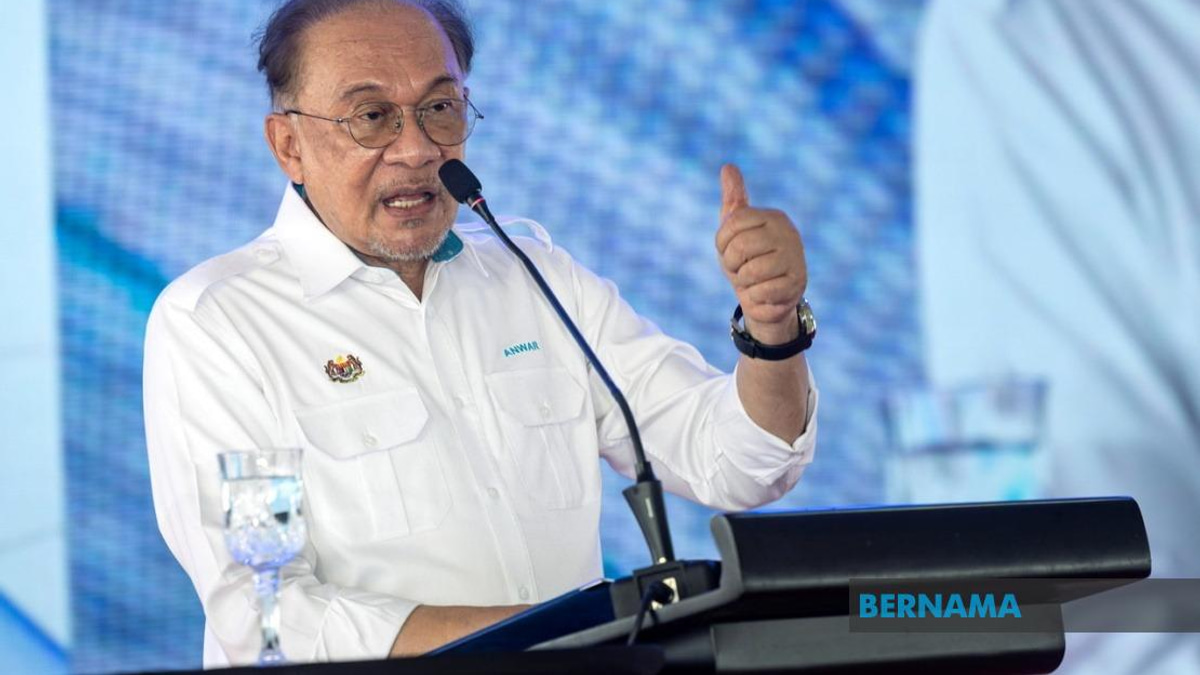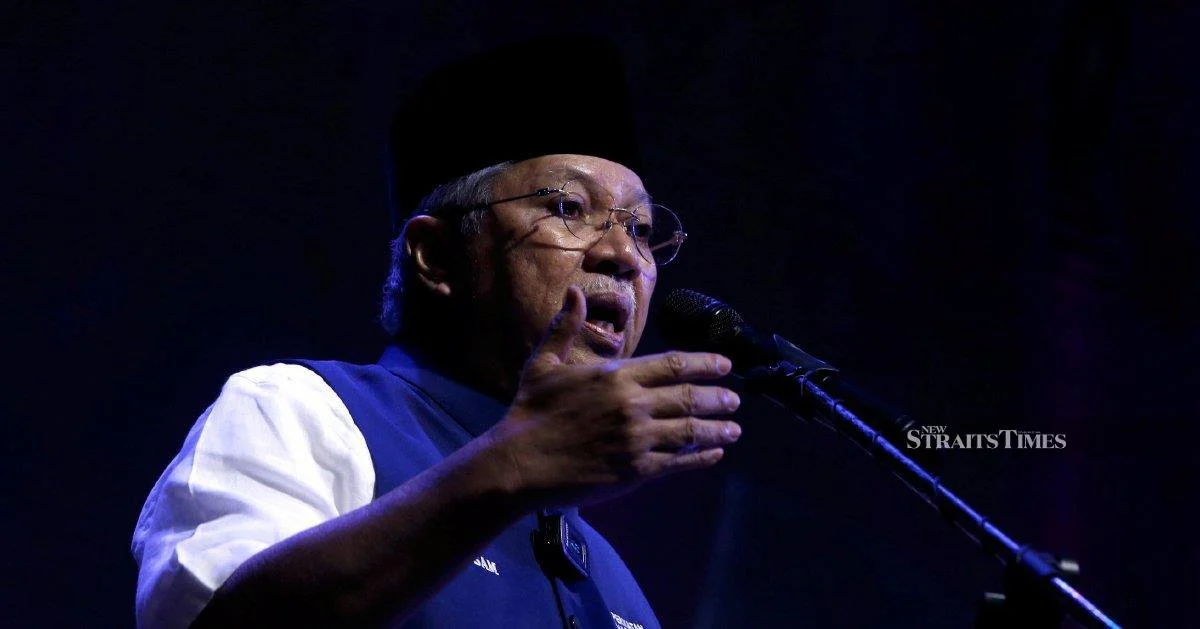
Bersatu's leadership is calling on the party membership to maintain composure as the Perikatan Nasional coalition experiences a period of strain, reflecting the delicate political balancing act required to keep the opposition alliance functional amid competing interests and disagreements.
The appeal for calm comes amid a notably turbulent phase for PN, the three-year-old coalition that has positioned itself as an alternative to the ruling Barisan Nasional-led government. The bloc, comprising Bersatu, PAS, and smaller component parties, has faced recurring challenges in maintaining unity, with policy disagreements and leadership differences periodically testing the bonds between member parties. These internal friction points have become increasingly visible to the Malaysian public, potentially weakening the coalition's appeal to voters who traditionally view opposition blocs as more unified alternatives to the incumbent.
The timing of Annuar Musa's intervention is particularly significant given Bersatu's position within PN's three-party structure. As deputy chairman of the coalition, Bersatu occupies a critical middle position between the Islamist inclinations of PAS and the broader centrist positioning that the former ruling party has attempted to cultivate since joining the opposition. This positioning has sometimes placed Bersatu at odds with both coalition partners, making the party's role as a stabilising force essential to PN's continued existence.
The absence of premature public statements represents more than a mere request for media discipline; it reflects a sophisticated understanding of how coalition politics functions in Malaysia's current fractious environment. Each inflammatory comment or hastily issued statement risks triggering reciprocal responses that can quickly spiral into damaging public disputes. Such confrontations damage the coalition's credibility with voters and provide fodder for government critics who argue that the opposition remains too fractious and ideologically disparate to govern effectively.
Bersatu's internal dynamics have undergone considerable evolution since the party's founding in 2016. Originally established as a breakaway faction from the United Malays National Organisation (UMNO), Bersatu initially positioned itself as a reform-minded alternative to its parent party. However, the party's decision to join PN following the collapse of the 2020 Pakatan Harapan government fundamentally altered its political trajectory and alliance calculations. This transition has required continuous adjustment as Bersatu balances its membership expectations against coalition obligations.
The broader implications of these tensions extend beyond internal coalition management. Malaysia's political system has become increasingly multipolar, with multiple viable coalition options existing across the political spectrum. The stability of each major coalition directly influences voters' willingness to grant mandates and the government's ability to pass legislation. Persistent internal discord within PN diminishes its capacity to present a coherent policy platform and raises questions about its readiness to assume government responsibility should voters decide to return the opposition to power.
Regional dynamics further complicate PN's position. The coalition's internal stability has potential ramifications for East Malaysian politics, where component parties maintain significant influence in Sabah and Sarawak. Visible cracks in PN's foundation could embolden state-level parties to reassess their political alignments, potentially destabilising the delicate balance that has kept East Malaysian representation relatively stable in recent political cycles.
The substance of the current tensions remains somewhat opaque to public view, as is often the case with coalition disagreements during early warning stages. However, the triggers typically involve disagreements over ministerial portfolios, state-level candidate selection, policy priorities particularly regarding Islam's role in governance, and resource distribution. Each of these issues carries potential for escalation if parties adopt maximalist negotiating positions rather than seeking compromise positions that acknowledge each member's core interests.
Annuar's leadership role in tempering public expressions of discontent carries particular weight given his historical background bridging different political traditions. His appeal to restraint effectively frames the current moment as requiring strategic patience rather than immediate confrontation. This framing acknowledges that coalition tensions are normal but suggests that hasty reactions could convert manageable disagreements into irreparable ruptures.
The effectiveness of this restraint appeal will likely depend on whether the underlying grievances fuelling these tensions receive substantive attention through behind-the-scenes negotiations. Calls for calm tend to prove effective only when accompanied by tangible progress in addressing the legitimate concerns of coalition partners. Should negotiations stall while tensions continue mounting, even senior leaders' appeals for measured conduct may prove insufficient to prevent escalation into public disputes that further damage PN's electoral prospects.
For Malaysian observers monitoring opposition politics, these developments underscore the inherent challenges facing multi-party coalitions in sustaining unity across ideologically diverse member organisations. The coming weeks will reveal whether Bersatu, PAS, and their coalition partners can navigate current disputes through private channels or whether disagreements will inevitably spill into public view, further complicating the political landscape ahead of the next general election.

%22%2F%3E%3C%2Fpattern%3E%3C%2Fdefs%3E%3Crect%20width%3D%22100%25%22%20height%3D%22100%25%22%20fill%3D%22url(%23ph523ndg)%22%2F%3E%3Crect%20width%3D%22100%25%22%20height%3D%22100%25%22%20fill%3D%22url(%23ph523ndp)%22%2F%3E%3Ctext%20x%3D%2250%25%22%20y%3D%2250%25%22%20text-anchor%3D%22middle%22%20dominant-baseline%3D%22central%22%20fill%3D%22rgba(255%2C255%2C255%2C0.95)%22%20font-family%3D%22Georgia%2C%20'Times%20New%20Roman'%2C%20serif%22%20font-weight%3D%22700%22%20font-size%3D%22272%22%20letter-spacing%3D%22-0.02em%22%3EAnwar%3C%2Ftext%3E%3C%2Fsvg%3E)