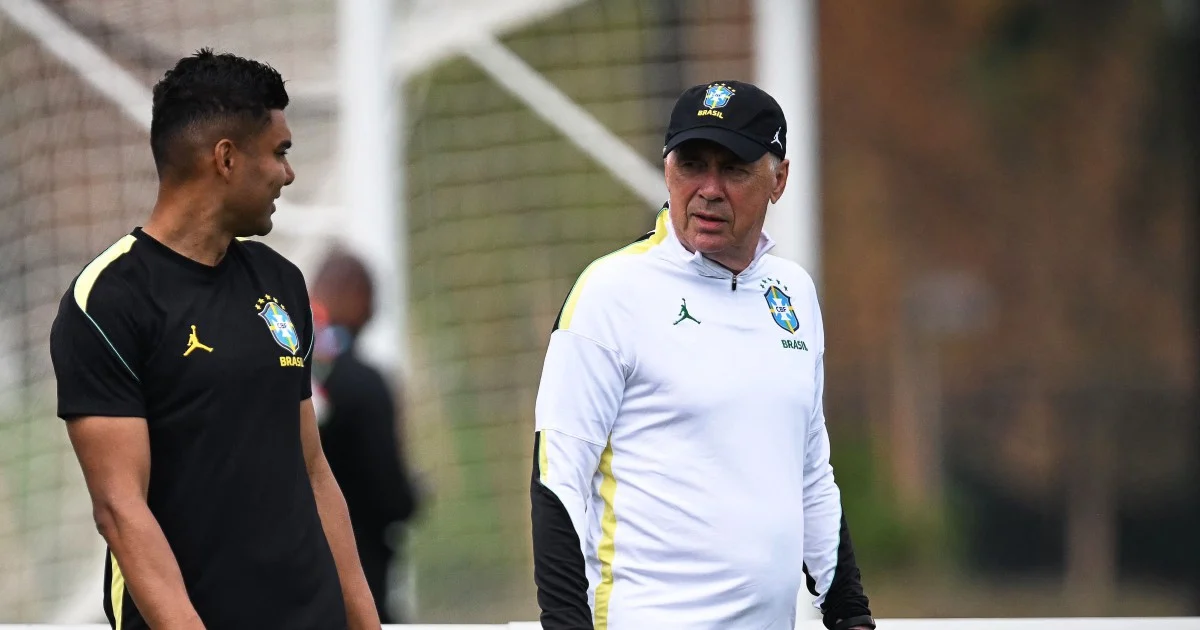
The pressure is mounting in World Cup football, yet Brazil's head coach Carlo Ancelotti appears determined not to let early disappointments derail his team's tournament ambitions. Speaking from Philadelphia ahead of Friday's Group C encounter with Haiti, the Italian tactician projected composure despite his squad's opening match producing a disappointing 1-1 stalemate with Morocco. Rather than catastrophising over the draw, Ancelotti has framed the fixture as a crucial moment for fine-tuning and executing the corrections that became evident during the inaugural outing.
Morocco's refusal to surrender tamped expectations for a dominant Brazil performance, exposing defensive lapses and offensive coordination issues that the coaching staff had likely identified on film. The manner in which the Seleção conceded highlights tactical vulnerabilities that cannot be ignored at this level of competition. For a squad laden with attacking talent and possessing a rich pedigree of World Cup success, retreating with only a draw stung, yet Ancelotti's measured response suggests he views such setbacks as diagnostic opportunities rather than genuine crises. His composure will be crucial in steadying a dressing room that may be wrestling with self-doubt following what should have been a convincing victory.
Haiti, by contrast, enters the tie as heavy underdogs against the five-time World Cup champions. The Caribbean nation qualified for the tournament through a gruelling pathway and will adopt a defensive posture, seeking to frustrate Brazil's expansive attacking approach. This tactical matchup presents precisely the scenario Ancelotti needs to rebuild momentum without facing sustained defensive pressure that could compound concerns from the Morocco game. A resolute Haiti side, well-drilled in compact defending, will still pose legitimate threats on the counter-attack, but the fundamental task remains far more manageable than absorbing sustained pressure from an opponent of Morocco's technical calibre.
For Malaysian and Southeast Asian observers, Brazil's World Cup struggles resonate beyond mere sporting interest. The region's emerging football cultures increasingly measure their progress against traditional powerhouses, and watching elite teams navigate early tournament turbulence offers valuable lessons in resilience and adaptation. Brazil's squad depth—an advantage amplified by Ancelotti's tactical flexibility—means tactical adjustments and personnel changes can be implemented without sacrificing quality. This tournament presents an instructive case study in how established programmes manage expectations and navigate the unpredictability that defines knockout football on the global stage.
Ancelotti himself brings considerable pedigree to Brazil's campaign, having previously guided Real Madrid to European triumphs and accumulated vast experience managing elite squads under intense scrutiny. His temperament and track record suggest he will neither overreact to the Morocco result nor become complacent against Haiti. The Haiti fixture offers a genuine testing ground where Brazil's adjustments can be validated before facing more formidable opponents later in the group stage. Such pragmatism distinguishes successful tournament managers from reactive ones.
The defensive frailties exposed against Morocco demand urgent examination. Whether stemming from individual concentration lapses, tactical positioning failures, or communication breakdowns in the backline, these issues must be corrected before Brazil faces stronger sides. Haiti's threat profile differs substantially, yet using this match as a platform for implementing defensive improvements serves multiple purposes simultaneously—building confidence, accruing points, and validating tactical modifications for future matches.
Brazil's attacking potential remains formidable, with creative midfielders and forward options capable of dismantling most defences when functioning cohesively. The Haiti match should permit these talents to flourish against more modest opposition, potentially restoring the fluidity and incisiveness that characterised Brazil's qualifying campaign. Goals tend to relieve psychological pressure far more effectively than managerial reassurances, and a convincing scoreline against Haiti would substantially reframe perceptions of the Morocco result.
Group C dynamics add another layer of complexity to Brazil's calculations. Multiple competitors will eye advancement opportunities, meaning points accrued against Haiti could prove decisive if the group tightens unexpectedly. Ancelotti understands that while Friday's fixture represents a correction opportunity, it simultaneously carries implications for final group standings. Converting this opportunity decisively becomes essential for maintaining first-place positioning and controlling their tournament trajectory through the knockout stages.
The manager's refusal to panic reflects confidence in his squad's collective ability and his own tactical acumen. This composed approach filters down to players, who benefit from leadership that maintains perspective during challenging moments. Ancelotti's demeanour will shape the locker room atmosphere and determine whether the Morocco result becomes a catalyst for improvement or the genesis of tournament malaise. His calm projection, therefore, transcends mere public relations and constitutes genuine tactical and psychological management during a critical juncture of the campaign.

%22%2F%3E%3C%2Fpattern%3E%3C%2Fdefs%3E%3Crect%20width%3D%22100%25%22%20height%3D%22100%25%22%20fill%3D%22url(%23ph523ndg)%22%2F%3E%3Crect%20width%3D%22100%25%22%20height%3D%22100%25%22%20fill%3D%22url(%23ph523ndp)%22%2F%3E%3Ctext%20x%3D%2250%25%22%20y%3D%2250%25%22%20text-anchor%3D%22middle%22%20dominant-baseline%3D%22central%22%20fill%3D%22rgba(255%2C255%2C255%2C0.95)%22%20font-family%3D%22Georgia%2C%20'Times%20New%20Roman'%2C%20serif%22%20font-weight%3D%22700%22%20font-size%3D%22272%22%20letter-spacing%3D%22-0.02em%22%3EAnwar%3C%2Ftext%3E%3C%2Fsvg%3E)