Party Amanah is banking on a youthful overhaul to revitalise its electoral prospects in Johor, announcing that it will field predominantly fresh candidates rather than relying on seasoned political veterans for the upcoming state election. The party's strategy represents a calculated gamble to appeal to younger voters and inject new energy into its campaign machinery across the southern state, where electoral competition remains fierce among multiple competing coalitions.
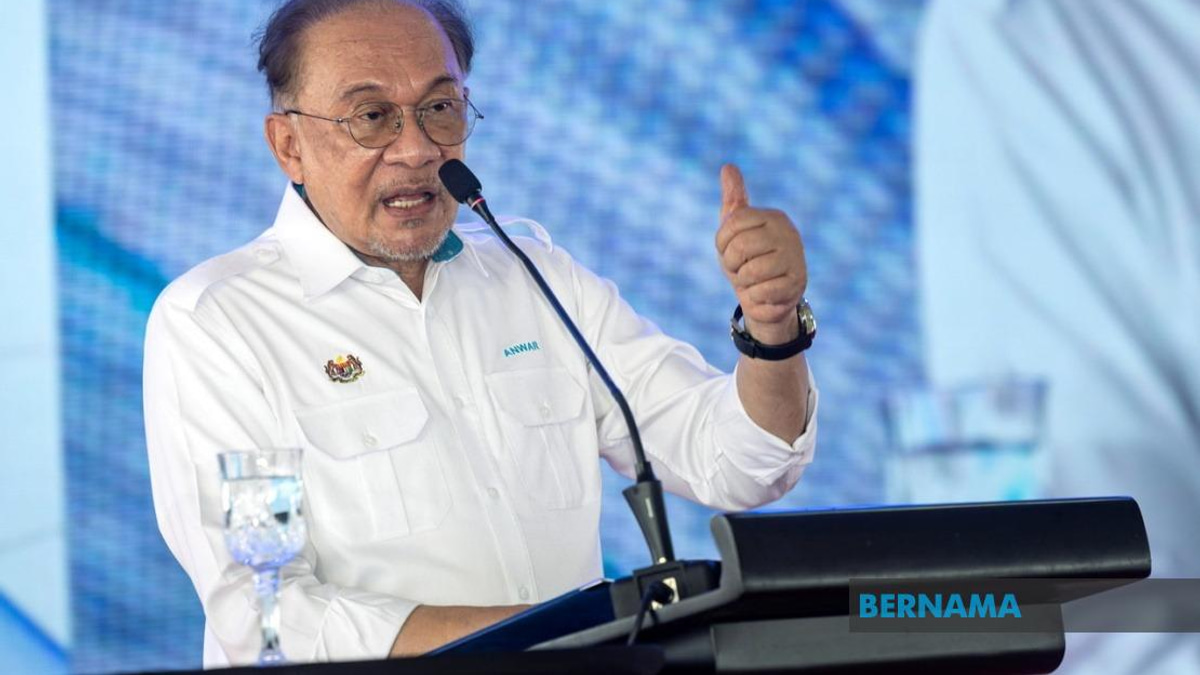
Johor Amanah Chairman Aminolhuda Hassan revealed the composition of the party's candidate slate during the launch of its South Zone election machinery in Johor Bahru, with Amanah President Datuk Seri Mohamad Sabu present to underline the significance of the event. Out of the 19 State Legislative Assembly seats that Amanah plans to contest, only approximately six or seven candidates have prior electoral experience, meaning roughly two-thirds of the party's nominees are entering the political arena for the first time or pursuing seats in new constituencies.
The youth emphasis within the candidate roster reflects a broader strategic calculation in Malaysian politics, where demographic shifts and changing voter preferences have increasingly favoured parties demonstrating generational renewal. Among the newcomers and fresher entrants, Aminolhuda indicated that approximately half qualify as youth candidates, a category typically encompassing individuals below 40 years old, though specific age parameters were not detailed at the announcement. This composition suggests Amanah is attempting to counter perceptions of ageing party structures while simultaneously broadening its appeal among first-time and younger voters who may feel disconnected from traditional political establishments.
The inclusion of female representation, while modest in absolute terms, forms part of the broader recruitment narrative. The party has preliminarily identified two women candidates for the election, a development Aminolhuda highlighted as significant even though the figure remains substantially below parity with male counterparts. This reflects the ongoing gender imbalance in Malaysian electoral politics, where women continue to be underrepresented both in candidate selection and in winning positions, despite growing advocacy for inclusive political participation.
Amanah's geographical distribution across Johor reveals a calculated approach to seat selection, with the party concentrating resources across multiple zones to maintain presence despite resource constraints typical of smaller coalition partners. The allocation includes six seats in the northern zone, five in the central zone, with remaining positions concentrated in the east coast and southern zones. This spread suggests the party is attempting to establish competitive footholds across diverse constituencies rather than concentrating firepower in traditionally sympathetic areas, potentially indicating confidence in its organisational reach or alternatively reflecting limitations in targeting resources to winnable seats.
The timing of the candidate announcement aligns with Amanah's preparation phase ahead of formal nomination procedures. The Election Commission has scheduled nomination day for June 27, with early voting set for July 7 and polling day designated for July 11, providing Amanah and other contesting parties with compressed timeframes for campaign activation and voter engagement. Mohamad Sabu's declaration that the party machinery stands fully prepared suggests internal organisational structures have completed readiness assessments, though the verification of such claims typically only becomes apparent once campaigning commences in earnest.
For Malaysian political observers, Amanah's youth-centric approach carries implications extending beyond Johor. As a relatively younger party itself within Malaysia's political landscape, having contested in only three general elections and several state contests, Amanah continues seeking to establish itself as a distinct political force with its own identity separate from larger coalition partners. The emphasis on fresh candidates may serve this objective by distinguishing Amanah's campaign narrative from competitors while simultaneously building a pipeline of future political talent.
The strategy also responds to specific conditions within Johor politics, where the state has witnessed competitive three-cornered contests involving Barisan Nasional, Pakatan Harapan, and increasingly assertive Perikatan Nasional alternatives. In such fragmented electoral environments, smaller parties like Amanah must differentiate themselves through distinctive messaging and candidate profiles. A slate dominated by first-time candidates and youth representatives potentially enables the party to position itself as unburdened by previous political baggage and more responsive to emerging voter concerns regarding economic pressures, employment opportunities, and social policy priorities affecting younger demographics.
However, the reliance on inexperienced candidates carries inherent risks that should not be understated. First-time electoral candidates often lack the ground networks, campaign experience, and political machinery familiarity that typically correlate with electoral success in Malaysian contexts, where grassroots mobilisation and community relationships remain decisive factors. Amanah's ability to overcome this deficit will depend substantially on the robustness of party machinery support, the quality of candidate preparation and training, and the effectiveness of coalition-wide campaign coordination if such arrangements exist.
The elevation of youth and women candidates also signals Amanah's recognition that Malaysian politics are gradually transforming, with younger voters increasingly demanding representation from candidates who share their demographic characteristics and who can credibly address concerns specific to their generation. Issues including housing affordability, employment precarity, educational accessibility, and climate policy carry particular salience among younger demographics, and candidates genuinely embedded within these populations may prove more persuasive than traditional political figures addressing such concerns from positions of established privilege.
Looking forward, the Johor election will serve as a testing ground for Amanah's generational transition strategy. Electoral results will reveal whether voters reward the party's youth-led approach or whether traditional patterns favouring established politicians prevail. Additionally, the performance of individual first-time candidates will provide insights into whether Amanah's recruitment and training processes have successfully identified political talent capable of navigating complex electoral dynamics and translating campaign rhetoric into constituency-level victories.

%22%2F%3E%3C%2Fpattern%3E%3C%2Fdefs%3E%3Crect%20width%3D%22100%25%22%20height%3D%22100%25%22%20fill%3D%22url(%23ph523ndg)%22%2F%3E%3Crect%20width%3D%22100%25%22%20height%3D%22100%25%22%20fill%3D%22url(%23ph523ndp)%22%2F%3E%3Ctext%20x%3D%2250%25%22%20y%3D%2250%25%22%20text-anchor%3D%22middle%22%20dominant-baseline%3D%22central%22%20fill%3D%22rgba(255%2C255%2C255%2C0.95)%22%20font-family%3D%22Georgia%2C%20'Times%20New%20Roman'%2C%20serif%22%20font-weight%3D%22700%22%20font-size%3D%22272%22%20letter-spacing%3D%22-0.02em%22%3EAnwar%3C%2Ftext%3E%3C%2Fsvg%3E)