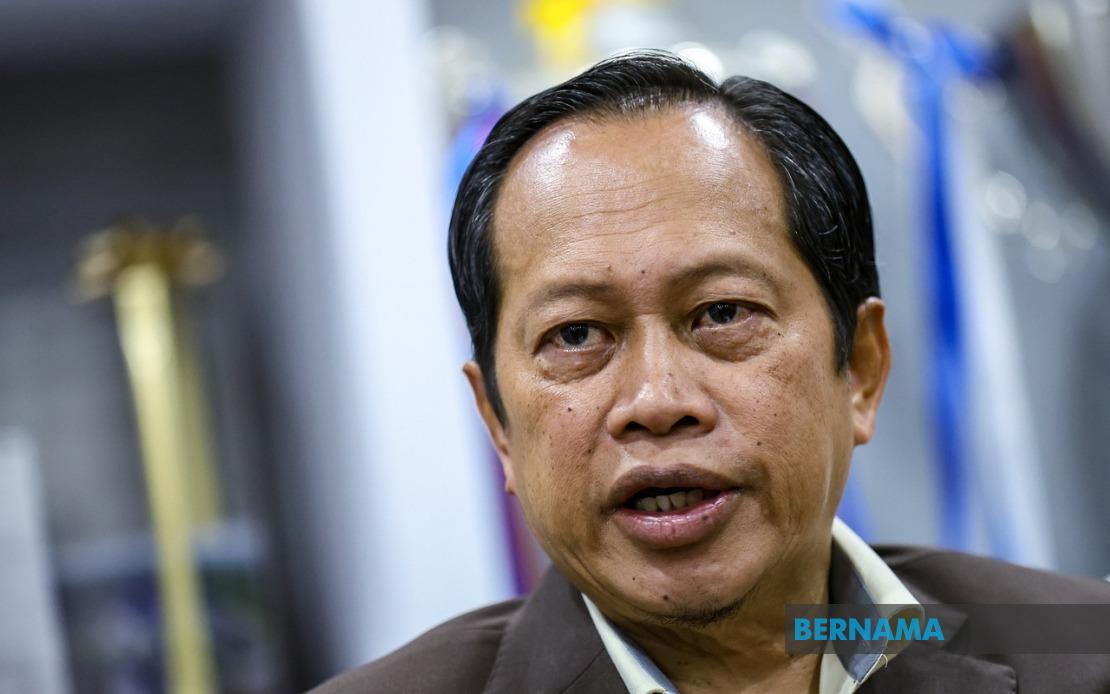
Datuk Seri Dr Ahmad Maslan, the Johor Barisan Nasional deputy chairman and Deputy Works Minister, has formally announced he will not be a candidate in the upcoming state election, putting to rest weeks of speculation about which constituencies he might pursue. The decision, disclosed during a working visit to the Johor Public Works Department in Iskandar Puteri on June 15, represents a significant development in BN's candidate selection process for one of Malaysia's most strategically important states.
The Pontian MP, who has represented the federal constituency since 2018, faced persistent rumours linking him to several state-level seats within his parliamentary boundary. Specifically, observers had suggested he might contest either the Benut or Pulai Sebatang state assemblies, both of which fall under his Pontian division. His explicit denial of interest in either seat marks a deliberate choice to clear the path for other party members seeking electoral office in the state legislature.
Ahmad's reasoning reflected a broader philosophy about succession and party renewal. He told reporters that he had already communicated his intentions to party leadership and believed it was appropriate to provide opportunities for other candidates to step forward and contest these available positions. This approach aligns with ongoing discussions within the coalition about balancing experienced lawmakers with emerging political talents, a concern that has become increasingly important as BN seeks to revitalise its appeal across different voter demographics.
Despite withdrawing from direct candidacy, Ahmad emphasised that his role in the election campaign would remain substantial and consequential. As both the Johor BN deputy chairman and a senior federal minister, he intends to maintain active involvement in supporting the coalition's broader campaign strategy throughout the state. His continued prominence in campaign activities suggests that BN views his contributions to party messaging and candidate support as more valuable than his participation as a direct candidate in the current electoral cycle.
The timing of Ahmad's announcement comes as the Election Commission has established a clear electoral calendar for the Johor contest. The 16th Johor state election will see polls conducted on July 11, with nomination day scheduled for June 27 and early voting set for July 7. This compressed timeline between his announcement and nomination day underscores the urgency with which BN must finalise its candidate slate and begin intensive campaign preparation across the state's legislative constituencies.
Johor holds particular significance within Malaysia's political landscape, serving as a critical battleground that influences national political dynamics. The state government's performance and electoral outcomes frequently signal broader shifts in voter sentiment and party support across the country. BN's success or challenges in Johor elections have historically preceded or reflected national-level political movements, making the coalition's candidate selection process far more than a routine administrative exercise.
Ahmad's withdrawal also reflects the complex calculus that senior politicians must navigate when deciding between federal and state-level engagement. As Deputy Works Minister overseeing infrastructure projects at the national level, Ahmad carries responsibilities that demand substantial time and attention. The decision to focus on federal ministerial duties whilst supporting BN's state campaign without bearing the candidate's personal campaign burden suggests a strategic allocation of his professional energies during a demanding period.
The move also potentially indicates confidence within the BN leadership regarding candidate strength in both the Benut and Pulai Sebatang constituencies. If either seat were considered highly vulnerable, party strategists might have pushed for a heavyweight candidate like Ahmad to contest there. His withdrawal implies that BN believes these areas are sufficiently competitive with alternative candidates, or that the party's broader strategic interests are better served by deploying his influence across multiple constituencies rather than concentrating his efforts in a single assembly seat.
UMNO, as the dominant component party within BN in Johor, continues to navigate internal dynamics between competing aspirants seeking state assembly candidacies. Ahmad's decision removes one significant contender from this equation, potentially easing tensions between different party factions and allowing more junior or regionally-based members to advance their candidacies. Such internal management becomes increasingly important as the nomination period approaches and the final candidate list takes shape.
The Pontian MP's emphasis on continuing party support highlights an emerging pattern in Malaysian politics where senior figures concentrate on campaign coordination and strategic direction rather than seeking personal electoral mandates at every electoral cycle. This approach acknowledges that ministerial responsibilities and party organisational roles can sometimes deliver greater value than individual state assembly seats, particularly for politicians already serving in federal positions.
As the state election campaign gains momentum over the coming weeks, Ahmad's influence will likely prove most visible through his coordination of BN strategy, candidate support, and public messaging rather than through personal constituency campaigning. His positioning as an active campaign strategist rather than a direct candidate may actually enhance his operational flexibility and allow him to address multiple areas of BN weakness without the constraints imposed by defending a single assembly seat.
The announcement also reflects broader considerations about candidate quality and party renewal. By stepping aside voluntarily, Ahmad potentially models a form of party discipline and succession planning that senior politicians sometimes struggle to demonstrate. His decision suggests that Johor BN leadership views the current candidate pool as sufficiently strong that it does not require parachuting in prominent federal figures to secure victory in key constituencies.