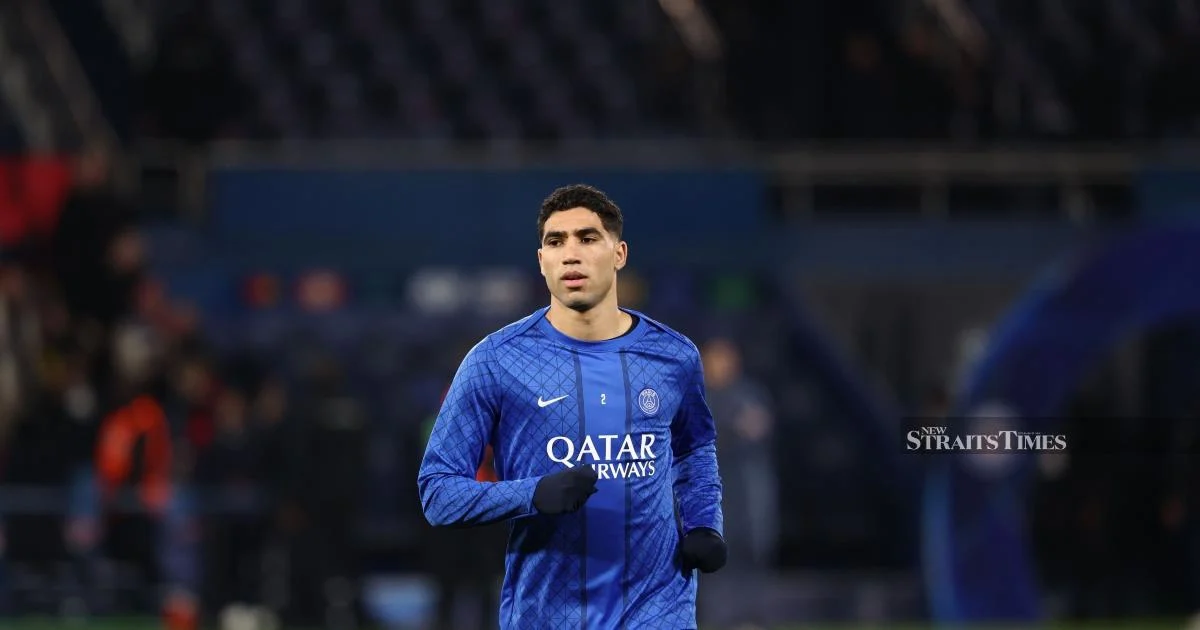
An appeals court in Versailles has ruled that Moroccan football defender Achraf Hakimi must stand trial to face allegations that he sexually assaulted a young woman. The decision, handed down on Friday, represents a significant legal development for one of the sport's most prominent African players and comes amid intense scrutiny from both the international football community and global media outlets.
Hakimi, who currently plays for Paris Saint-Germain, has consistently denied the accusations against him. His legal team had sought to challenge the court's decision to proceed with formal charges, but the Versailles appeals bench upheld the lower court's determination that sufficient evidence exists to warrant a full trial. This ruling means the case will now advance to the trial phase, where both the prosecution and defence will present their complete arguments before a judge or jury.
The case originated when a woman filed a complaint with French authorities alleging that Hakimi had raped her. Following the investigation, prosecutors determined there was adequate evidence to move forward with formal charges. Hakimi's legal representatives immediately contested this determination, arguing that the evidence did not meet the threshold required for prosecution. However, the appeals court disagreed with this assessment and affirmed that the case should proceed.
This development carries significant implications for professional football, particularly as it involves a player of Hakimi's calibre and profile. At 25 years old, Hakimi has become one of the world's most valuable defenders, known for his pace, tactical intelligence, and crossing ability. He previously played for Real Madrid and Borussia Dortmund before joining PSG, representing Morocco internationally with distinction. The allegations and ensuing legal process have cast a shadow over his career during what should be his prime years as an athlete.
For Paris Saint-Germain, the situation presents a complex challenge. The club has maintained its position while legal proceedings unfold, balancing its duty to its employee with the serious nature of the allegations. Throughout the appeals process, Hakimi has continued his professional duties with the Ligue 1 club, though the psychological and professional toll of such proceedings cannot be underestimated. The upcoming trial will inevitably draw significant media attention, potentially affecting both his performance and the club's focus during crucial matches.
The ruling also reflects the French legal system's commitment to pursuing serious criminal allegations regardless of the defendant's status or wealth. France has become increasingly attentive to sexual assault cases in recent years, with public discourse around such matters intensifying. The decision to proceed with Hakimi's trial demonstrates that no professional athlete, regardless of fame or financial resources, is exempted from facing justice through the courts.
Regionally, this case resonates with Southeast Asian sports fans and observers who follow international football closely. Morocco, as an African nation with growing football prominence and a significant diaspora across Asia, maintains cultural and sporting connections with the region. The prominence of players like Hakimi in global tournaments and club competitions means their legal troubles attract attention far beyond Europe.
The trial process itself will likely take considerable time, potentially extending into multiple years. French legal proceedings involving serious criminal allegations typically move through various phases, including preliminary hearings, evidence presentations, and witness testimonies. During this period, Hakimi's professional status remains in limbo, as does his national team availability, potentially affecting Morocco's preparations for upcoming international fixtures.
The appeals court's confirmation that Hakimi must stand trial does not constitute a determination of guilt. Instead, it represents the judiciary's finding that credible evidence warrants a full hearing before a court of competent jurisdiction. The trial will ultimately determine whether the allegations are substantiated and, if so, what legal consequences may follow. Hakimi retains the presumption of innocence until a verdict is rendered.
For the broader football community, this case serves as a reminder that athletes occupy positions of public trust and influence. Allegations of sexual assault against high-profile players inevitably trigger conversations about accountability, power dynamics, and the responsibilities that accompany celebrity status. Whether the eventual trial verdict results in conviction or acquittal, the case has already reshaped the narrative surrounding Hakimi's career and legacy.
The decision also underscores the evolving relationship between professional sports and the justice system in Europe. Clubs, leagues, and federations increasingly find themselves navigating the intersection of criminal law, employment law, and sporting regulations when players face serious allegations. These cases challenge the sports world to balance support for accused players' rights while acknowledging the gravity of the allegations and the experiences of accusers.
As the trial date approaches, attention will focus on both the legal arguments to be presented and the broader implications for professional football. The outcome will set precedent for how similar cases involving athletes are handled in the future. For Hakimi, his family, and the accuser, the trial represents a crucial moment when the judicial system will finally examine the evidence and determine what actually occurred that day.

%22%2F%3E%3C%2Fpattern%3E%3C%2Fdefs%3E%3Crect%20width%3D%22100%25%22%20height%3D%22100%25%22%20fill%3D%22url(%23ph523ndg)%22%2F%3E%3Crect%20width%3D%22100%25%22%20height%3D%22100%25%22%20fill%3D%22url(%23ph523ndp)%22%2F%3E%3Ctext%20x%3D%2250%25%22%20y%3D%2250%25%22%20text-anchor%3D%22middle%22%20dominant-baseline%3D%22central%22%20fill%3D%22rgba(255%2C255%2C255%2C0.95)%22%20font-family%3D%22Georgia%2C%20'Times%20New%20Roman'%2C%20serif%22%20font-weight%3D%22700%22%20font-size%3D%22272%22%20letter-spacing%3D%22-0.02em%22%3EAnwar%3C%2Ftext%3E%3C%2Fsvg%3E)