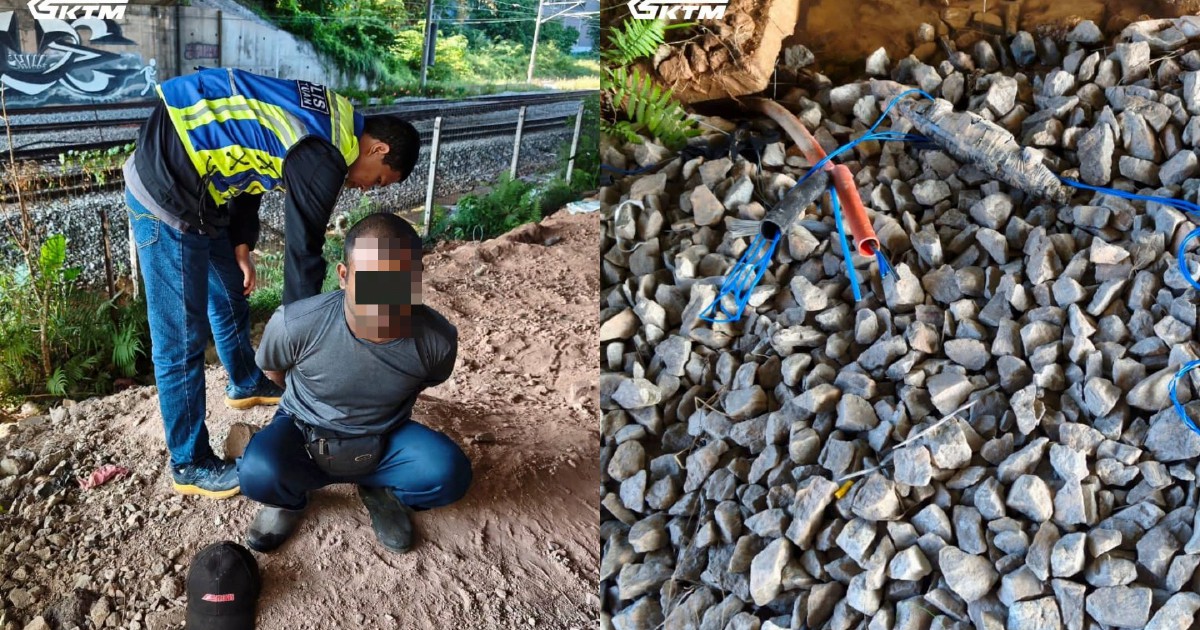
Railway infrastructure continues to face mounting security challenges as Keretapi Tanah Melayu Bhd (KTMB) auxiliary policemen apprehended two individuals in Shah Alam yesterday while they were actively engaged in stealing railway cables. The arrests highlight the ongoing vulnerability of Malaysia's rail network to metal theft, a problem that has plagued the national carrier and transportation planners for years.
The seizure represents another incident in a troubling pattern of cable theft that threatens the operational integrity of KTMB's extensive network. Railway cables serve critical functions in signalling systems, power distribution, and communication infrastructure that enable trains to operate safely and on schedule. When thieves target these copper and aluminium conductors, they compromise not only the physical assets but also the reliability of services that millions of Malaysians depend on daily.
The motivation behind such theft rings typically stems from the resale value of scrap metal in the secondary materials market. Copper wiring and railway-grade cables fetch significant prices from recycling operations and scrap dealers, creating financial incentives that drive individuals to undertake increasingly brazen theft operations. The gap between what stolen metal fetches on the black market and the cost of replacing infrastructure creates an asymmetric economic equation that fuels organised theft networks.
KTMB's auxiliary police force has been tasked with maintaining security across the operator's sprawling rail infrastructure, which extends across densely populated urban areas and remote suburban regions alike. The challenge of protecting kilometres of exposed trackside infrastructure against determined thieves requires constant vigilance and strategic deployment of security personnel. Yesterday's apprehension demonstrates that the auxiliary force remains actively engaged in enforcement efforts, though the frequency of such incidents suggests resource constraints or gaps in perimeter security.
The impact of cable theft extends far beyond the immediate financial loss of materials. Service disruptions resulting from infrastructure damage can cascade through the rail network, affecting commuter schedules and freight operations alike. Repair costs mount when thieves damage surrounding infrastructure in their extraction efforts, sometimes creating hazards for maintenance workers who must later conduct restoration work. The hidden costs—in passenger inconvenience, lost revenue, and extended repair timelines—often exceed the scrap value of the stolen materials.
From a passenger perspective, incidents like this underscore why train delays and service cancellations persist despite KTMB's investment in fleet modernisation. While the operator has rolled out newer trains and upgraded facilities at major stations, these improvements prove less effective when underlying infrastructure remains vulnerable to sabotage and theft. Commuters in the Klang Valley and surrounding regions regularly experience disruptions attributed to track-related issues that may ultimately trace back to cable theft and the repairs necessitated by such crimes.
The Shah Alam location is particularly significant, sitting within Malaysia's industrialised heartland and serving as a major junction for both commuter and freight rail services. The area's accessibility, combined with the presence of active scrap metal markets, makes it an attractive target for thieves operating with local knowledge. Security vulnerabilities in densely developed areas present particular challenges, as industrial zones and railway corridors often exist in close proximity to residential communities and commercial establishments.
Law enforcement agencies have implemented various strategies to combat this persistent crime, including increased patrols, surveillance systems, and community awareness initiatives. However, the sophistication of organised metal theft rings—with lookouts, rapid extraction capabilities, and established disposal networks—requires sustained intelligence-led policing. The arrests in Shah Alam suggest ongoing investigative work, though determining whether these individuals operate as part of a larger network remains an important investigative objective.
The broader context includes growing copper prices in international commodity markets, which amplify the motivation for theft of copper-bearing railway infrastructure. Global supply chain disruptions and inflation in construction and manufacturing sectors have elevated scrap metal values, making railway cable theft increasingly lucrative from criminal perspectives. This external economic pressure compounds domestic security challenges that KTMB must address.
Investment in cable protection measures—including burial of critical lines, enhanced fencing, and integrated alarm systems—represents a long-term solution that requires substantial capital expenditure. The challenge lies in balancing security infrastructure costs against operational efficiency and passenger service improvements. Meanwhile, federal and state authorities must coordinate enforcement efforts to dismantle organised theft rings at their source and increase consequences for participating in such activities.
The incident also highlights the interconnection between transportation infrastructure security and broader national development goals. A reliable rail network is fundamental to reducing urban congestion, supporting sustainable transport, and enabling economic connectivity across regions. When infrastructure remains vulnerable to theft and sabotage, these objectives become progressively harder to achieve, regardless of investment in new rolling stock or station improvements.
Moving forward, KTMB will need to sustain enforcement pressure while exploring technological and structural solutions that reduce theft opportunities. Community engagement in reporting suspicious activities near rail corridors can complement official security efforts. For Malaysian passengers and stakeholders invested in transport reliability, yesterday's arrests represent a modest security victory that underscores the necessity for comprehensive, multi-faceted approaches to protecting critical infrastructure.

