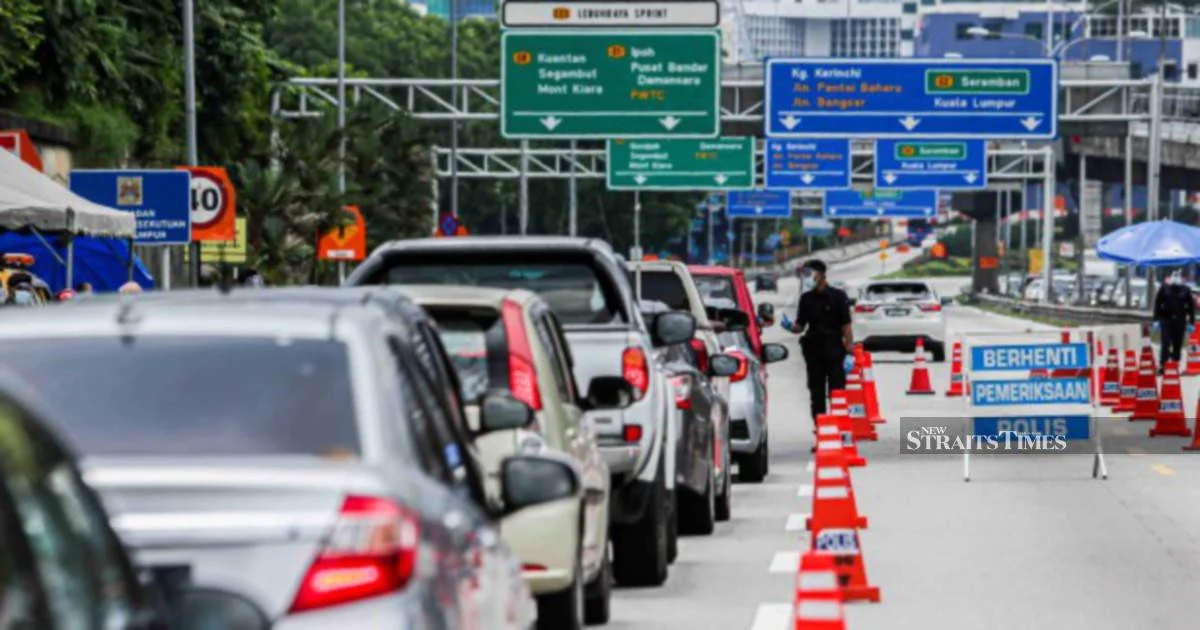
Motorists in Malaysia face a substantial jump in traffic penalties if proposed amendments to the Road Transport Act 1987 gain parliamentary approval. The changes would lift the maximum compound fine for more than 700 traffic violations to RM500, marking a significant escalation in enforcement costs for drivers caught breaking road regulations across the country.
The proposed amendments represent one of the most comprehensive overhauls to Malaysia's traffic penalty system in recent years. By targeting over 700 distinct offences under the 1987 legislation, the changes would streamline penalty structures and create more uniform deterrents across different categories of traffic violations. The RM500 ceiling would apply broadly to numerous breaches, from lane discipline to vehicle documentation issues, fundamentally altering the financial consequences of non-compliance on Malaysian roads.
For Malaysian drivers, the implications are substantial. Individuals who might previously have anticipated fines in the low-to-mid hundreds now face potentially doubled costs for the same infractions. This escalation comes amid broader conversations about road safety in the region, where Malaysia consistently grapples with one of Southeast Asia's higher traffic fatality rates. Policymakers argue that increased financial penalties serve as stronger incentives for compliance, potentially reducing dangerous driving behaviours.
The timing of this proposal reflects evolving attitudes toward traffic enforcement across Southeast Asia. Regional neighbours have progressively tightened penalties in recent years, viewing financial deterrence as a pragmatic tool alongside physical infrastructure improvements and technological monitoring. Malaysia's proposed move aligns this regional trend while attempting to modernize legislation that has remained substantially unchanged since its original enactment.
Business operators and professional drivers represent a particularly affected constituency. Delivery services, ride-hailing operators, and commercial transport companies will absorb increased costs through heightened violation expenses, which ultimately filter into service pricing for consumers. Fleet operators already managing thin margins may find compliance investments in driver training and vehicle maintenance becoming more economically attractive relative to the risk of accumulated fines.
The scope of the amendments extends beyond penalty amounts. By consolidating regulations across numerous traffic categories, the legislation aims to create clarity for both enforcement personnel and road users. Currently, the fragmented penalty structure sometimes creates confusion regarding appropriate fines for specific violations, potentially leading to inconsistent application across different states and enforcement agencies.
Parliamentary passage remains essential before implementation. While the proposal has progressed through initial stages, legislative scrutiny typically examines whether penalties appropriately balance deterrence against fairness, and whether implementation timelines allow adequate public awareness campaigns. Malaysian lawmakers will likely debate whether RM500 represents proportionate punishment across different violation severities, or whether distinction-based structures might prove more equitable.
Implementation logistics present practical considerations for enforcement agencies. The Royal Malaysia Police's traffic division and local authority enforcement officers would require updated systems for issuing and tracking compounds under new schedules. Public education campaigns would need to communicate revised penalties to millions of drivers, a process that historically takes considerable time to achieve comprehensive awareness.
Regional observers note that Malaysia's approach mirrors Singapore's strategy of using financial penalties as primary traffic enforcement tools, though Malaysia's broader geographic expanse and vehicle population create different enforcement challenges. The comparative effectiveness of higher penalties versus complementary measures like demerit point systems remains debated among traffic safety experts.
Compound notices have long served as Malaysia's primary enforcement mechanism for traffic violations, making the penalty structure consequential for millions of annual interactions between drivers and authorities. Current figures suggest authorities issue hundreds of thousands of compounds annually, meaning the new rates would generate substantially increased revenue while affecting household budgets across income levels.
The proposed changes also reflect technological advancement in traffic monitoring. Modern systems enable more comprehensive violation detection than previously possible, potentially justifying higher penalties by suggesting increased apprehension likelihood. However, critics argue that higher penalties might simply redistribute costs toward enforcement agencies' operational expenses rather than meaningfully improving safety outcomes.
Stakeholder responses have been mixed. Motoring organizations caution against excessive penalties that could burden average drivers unfairly, while road safety advocates generally support measures they believe will reduce dangerous behaviours. Business associations worry about competitiveness impacts, particularly for logistics operators competing across borders where penalty structures differ significantly.
As parliament considers these amendments, Malaysian motorists should anticipate potential implementation within the next legislative session. Compliance review and budget preparation among professional operators will likely accelerate once legislative passage appears imminent, creating a transition period where strategic driver behaviour adjustments become economically rational responses to changing penalty structures.