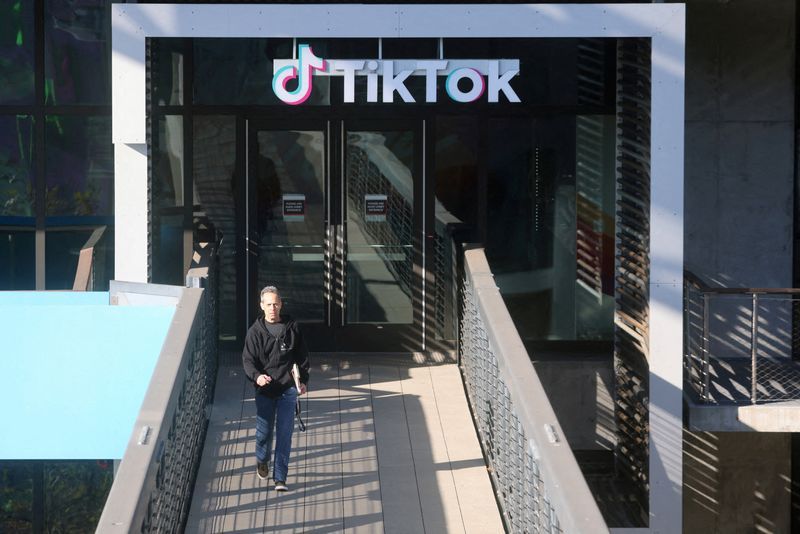
TikTok has agreed to settle a mental health lawsuit brought by a 15-year-old from Florida, according to the plaintiff's legal representatives at Morgan & Morgan. While the settlement has been reached in principle, the specific terms remain under negotiation and have not yet been finalized. The ByteDance-owned platform did not immediately respond to requests for confirmation, though the development marks another significant concession in an intensifying legal battle against social media companies over their handling of youth mental wellbeing.
The teenager, identified by his initials R.K.C. in court documents, began using social media platforms at approximately age eight and subsequently developed a dependency that he alleges caused significant psychological harm. According to filings submitted to the court, his condition deteriorated as he spent increasing amounts of time on the apps, resulting in chronic sleep deprivation, depression, and anxiety symptoms that substantially affected his daily functioning. His original complaint named four major platforms as defendants: YouTube, Instagram, Snapchat, and TikTok, though his claims specifically focused on the addictive mechanisms these services employ to maximize user engagement among younger audiences.
This settlement represents TikTok's strategic decision to exit litigation before the case proceeds to trial in California state court. The company had previously attempted similar defensive maneuvers in an earlier federal case brought by a Kentucky school district, where it joined Meta, Snap, and YouTube in a combined settlement worth $27 million. By settling before trial, TikTok avoids the risk of a jury verdict that could establish costly legal precedents, as evidenced by the March outcome in California state court where Meta and Google were ordered to pay combined damages exceeding $6 million after a jury found them negligent in designing addictive platforms.
The broader context reveals an unprecedented wave of litigation targeting social media companies' practices. California state courts are currently processing more than 3,300 addiction-related lawsuits against these platforms, with an additional 2,600 cases pending in federal court involving claims from individuals, educational institutions, municipal governments, and state attorneys general. Nearly every state has initiated its own separate legal action, creating an unprecedented coordinated pressure campaign that executives cannot easily dismiss. The sheer volume of litigation suggests that settlement strategies, rather than courtroom victories, may increasingly determine how these companies respond to allegations of deliberately engineering psychological dependency in minors.
The case R.K.C. brought represents the second instance where California courts have entertained substantive trials regarding social media addiction claims. The initial trial concluded in March with a verdict against Meta and Google, establishing judicial precedent that companies can be held legally and financially accountable for designing platforms with inadequate safeguards against youth addiction. The jury's findings resonated far beyond the courtroom, signaling to other plaintiffs' attorneys that sympathetic juries exist and that evidence of intentional addictive design might persuade judges to rule against the defendants. This precedent likely influenced TikTok's calculation that settlement presented a more favourable financial outcome than litigation risk.
Meta and Snapchat remain positioned for a scheduled trial beginning July 27, 2024, meaning the California courts will continue examining these contested claims. The two companies have consistently denied allegations that they deliberately engineer addictive features and maintain that they implement comprehensive safety protocols to protect younger users. Their upcoming trial date suggests they intend to contest the liability questions in court, distinguishing their strategy from TikTok's settlement approach. The outcome of their trial could significantly influence how other defendants calculate their own litigation strategies and settlement valuations across the remaining cases.
For Southeast Asian readers, particularly those in Malaysia where TikTok commands an extraordinarily large user base among teenagers and young adults, this litigation carries important implications. The legal arguments and evidence presented in California courts will establish global standards for platform accountability that may eventually influence regulatory frameworks in the region. Malaysian parents, educators, and policymakers increasingly recognise that social media's impact on adolescent mental health represents a genuine public health concern, and American court proceedings provide practical evidence of how platforms design features specifically to maximise engagement among vulnerable users.
The financial settlements emerging from these cases reveal the substantial costs companies now face when confronting addiction allegations. The $27 million Kentucky school district settlement, combined with the millions in state court damages, demonstrates that even preliminary verdicts and agreed settlements represent significant financial exposure. When multiplied across thousands of pending cases, these figures suggest that social media companies may face cumulative liabilities in the billions of dollars if litigation continues at its current pace. This economic pressure increasingly incentivises settlement even when companies maintain confidence in their legal defences.
Social media companies have consistently argued that they provide tools for youth connection and expression while denying intentional design aimed at creating psychological dependency. However, the mounting legal challenges, combined with internal documents revealed during discovery that sometimes contradict public statements about safety priorities, have weakened these corporate defences. The pattern of settlements and jury verdicts suggests that courts and juries increasingly reject industry arguments, viewing the evidence of deliberate engagement-maximisation strategies as incompatible with adequate youth protection measures.
Looking forward, the trajectory of these lawsuits will likely shape how social media platforms approach their Malaysian and Southeast Asian operations. If American courts continue finding companies liable for addictive design, regulatory authorities throughout the region may accelerate their own enforcement actions and legislative reforms. Malaysia's government, already examining social media regulation through various parliamentary initiatives, may cite American judicial findings as justification for stricter domestic requirements around age verification, content algorithms, and disclosure of engagement metrics to parents and regulators. The California courtroom thus becomes a testing ground for accountability measures that could eventually reach Malaysian users and their families.

