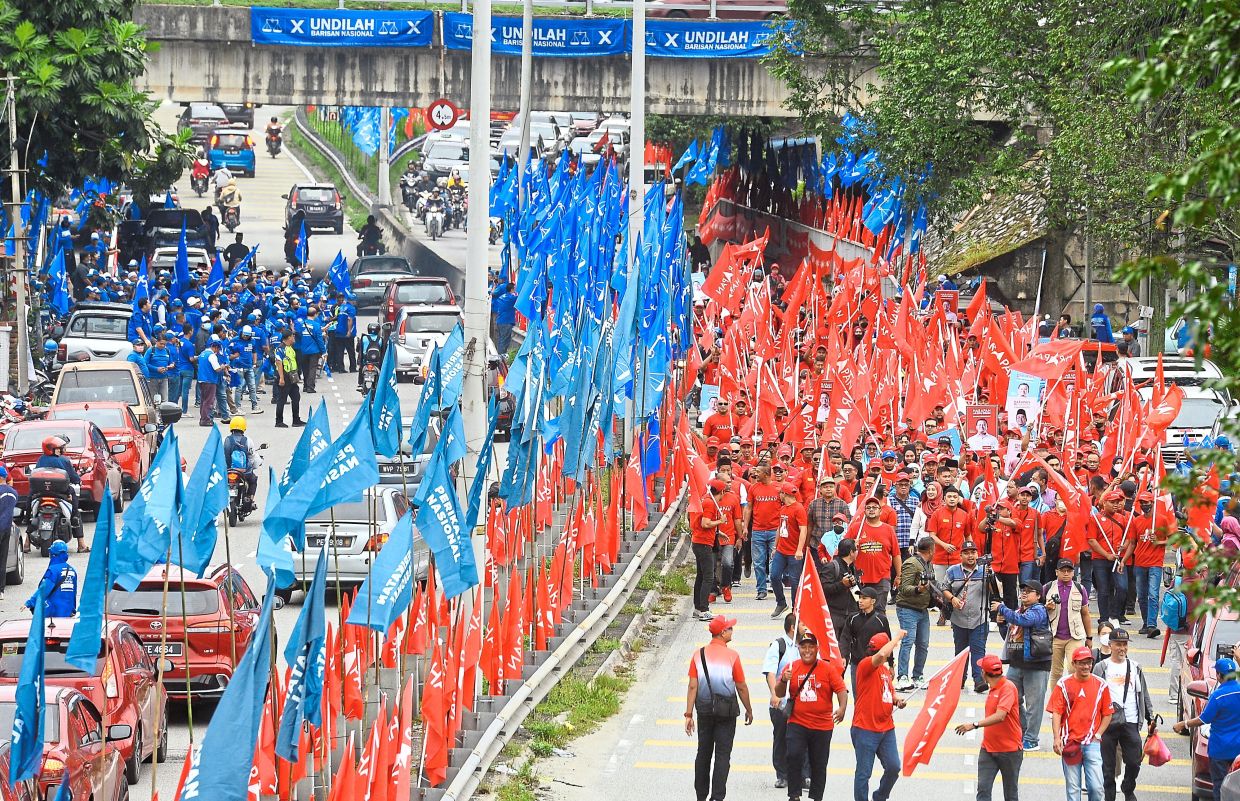
As Malaysia prepares for state elections in Johor and Negri Sembilan in 2026, along with anticipated general elections not far beyond, the emotional landscape across the country is set to shift dramatically. Political campaigns inevitably bring heightened psychological strain to both those seeking office and ordinary citizens navigating an increasingly polarised climate. This emotional turbulence extends far beyond the politician's anxiety about nomination and electoral victory, touching the mental well-being of millions who will watch, debate and ultimately decide the nation's political direction.
Candidates facing nomination processes experience acute psychological pressure as they contemplate whether their names will feature on ballot papers. For those who clear this hurdle, anxiety transforms into deeper fears about electoral defeat, particularly among sitting representatives and established political figures whose reputations and future career prospects hinge on voter approval. The stakes feel existential—losing an election can mean not merely stepping down from office but losing face within one's community and potentially derailing decades of political ambition. These cumulative concerns create a physiological response within politicians' bodies, manifesting as disrupted sleep patterns, exhaustion, and emotional volatility that intensifies as campaign periods intensify.
Social media amplifies this distress exponentially. Unverified allegations, exaggerated claims and carefully curated attacks circulate rapidly across digital platforms, creating a hostile information environment where candidates struggle to control their public narratives. The psychological burden of confronting attacks—both substantive and baseless—alongside the uncertainty of voter sentiment creates relentless mental strain that campaign managers and strategists often underestimate in their tactical planning.
Yet Malaysian politicians have historically demonstrated remarkable resilience, rallying their efforts even when circumstances appear disadvantageous. They draw on experience and determination to campaign effectively despite personal anxiety, embodying a pragmatic acceptance that the electoral process demands maximum effort regardless of confidence in victory. This characteristic stoicism, however, masks genuine psychological difficulty that should not be minimised.
Beyond the political class, Malaysian voters themselves face mounting election-related anxiety. As media coverage intensifies and workplace conversations shift toward political analysis, citizens confront daily reminders of electoral uncertainty. The fragmentation of Malaysia's political landscape—with multiple parties pursuing complex alliance strategies and shifting ideological positions—creates cognitive confusion among voters attempting to make informed choices. This complexity, combined with legitimate concerns about how electoral outcomes might reshape policy, economic conditions and social stability, generates pervasive anxiety that seeps into homes, offices and community spaces.
When political affiliation becomes intertwined with personal identity, disagreement transforms into perceived personal rejection. Conversations between friends and family members holding different political preferences acquire an edge of animosity that rarely existed in Malaysian politics two decades ago. The campaign period's negativity, amplified through news broadcasts and social media algorithms, cultivates emotional resentment that strains relationships and community cohesion. Individuals may become uncharacteristically irritable, withdrawn or reactive, their behaviour reflecting internalized stress about electoral outcomes beyond their individual control.
The neuroscience of election anxiety reveals measurable physiological consequences. Electoral anxiety activates the autonomic nervous system, triggering elevated adrenaline and cortisol—hormones designed to mobilise the body during genuine threats but increasingly triggered by psychological rather than physical dangers. Chronic elevation of adrenaline increases cardiovascular risks including heart attack and stroke, particularly among those with existing health vulnerabilities. Elevated cortisol disrupts metabolic function by raising blood glucose levels, suppressing immune responses, and constricting blood vessels, thereby reducing the body's capacity to fight infection and maintain cardiovascular health. The amygdala—the brain's emotional processing centre responsible for integrating sensory information, memories, decisions and mood regulation—becomes hyperactive during periods of collective political stress, responding disproportionately to perceived threats and amplifying emotional responses beyond what circumstances warrant.
International research substantiates the connection between elections and mental health deterioration. Britain's 2019 general elections demonstrated that approximately one-third of the population reported negative impacts on mental well-being, driven primarily by uncertainty regarding post-election policy direction. Across the Atlantic, American research conducted a year before the 2024 presidential election revealed that 56 percent of adults identified electoral competition as a significant stressor affecting their daily lives. These findings from established democracies suggest that Malaysian experiences of election-related anxiety, though not extensively documented through robust academic studies, reflect universal patterns of psychological response to high-stakes political competition.
Malaysia's distinctive advantage, however, lies in its demonstrated capacity for rapid emotional recovery following elections. Unlike some democracies where partisan divisions persist for years, Malaysians typically experience swift emotional normalisation once votes are counted. Political rivals exchange smiles and courtesies, supporters move on to ordinary concerns, and the pervasive negativity characterising campaign periods dissolves remarkably quickly. This cultural resilience—the ability to engage in fierce political competition while maintaining underlying social harmony—represents a valuable stabilising force that cushions the mental health impacts of electoral competition.
Personality characteristics and historical political experience significantly shape individual responses to election anxiety. Long-term voters develop psychological frameworks for processing electoral uncertainty, whilst first-time voters or those experiencing major political realignment may face unfamiliar emotional territory. Personal disposition—whether one naturally gravitates toward optimism or anxiety—predisposes individuals toward specific mental health trajectories during electoral periods. Understanding these individual variations matters for developing targeted support systems for those experiencing acute election-related psychological distress.
Despite the genuine mental health challenges that accompany elections, most registered Malaysian voters approach polling day with constructive intentions. They carry emotions of civic responsibility and gratitude toward democratic processes, having invested considerable time considering policy platforms, examining candidate credentials and wrestling with political ideology. These voters proceed to cast ballots with purposeful commitment to their communities' futures, their anxiety ultimately serving as a reminder of elections' significance rather than an impediment to engagement.
The upcoming electoral contests will undoubtedly generate substantial psychological pressure across Malaysian society. Acknowledging these effects—recognising election anxiety as a legitimate phenomenon worthy of attention rather than dismissing it as mere political theatre—represents an important step toward developing supportive policies and cultural practices that protect mental health during politically intense periods. Creating space for cross-partisan dialogue, encouraging media literacy to combat misinformation, and establishing accessible mental health resources during campaigns would strengthen Malaysia's capacity to manage election-related stress whilst preserving democratic participation.

