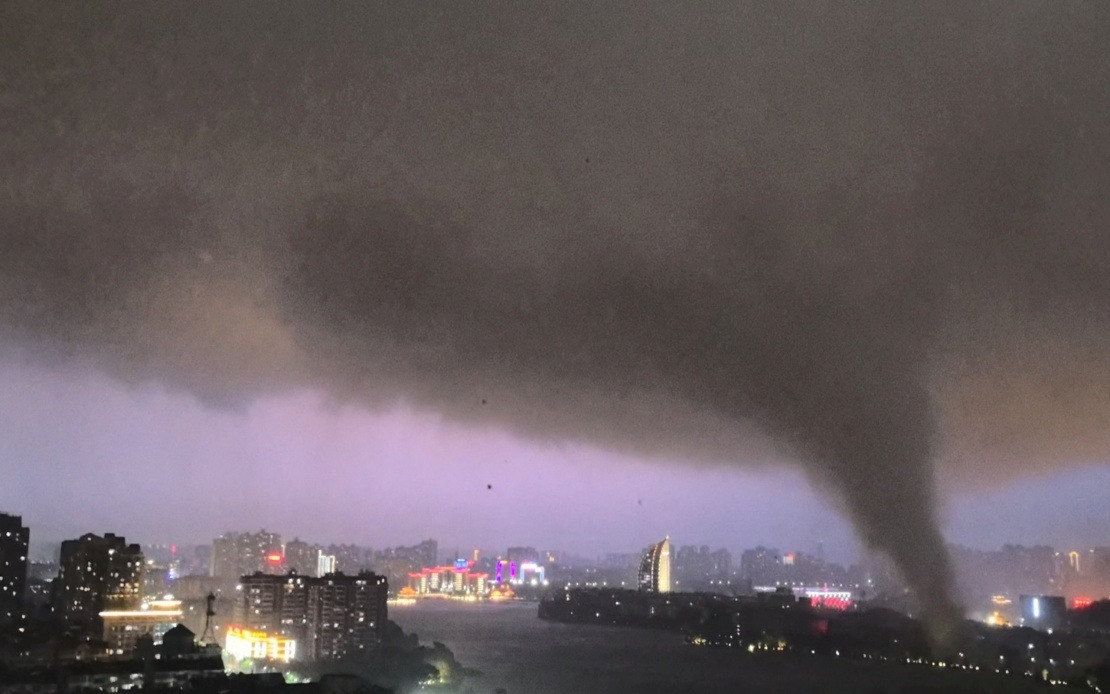
A devastating night of severe weather in central China has claimed at least 11 lives, with rescue authorities continuing their search for one missing person after thunderstorms and intense gales swept through the eastern districts of Hubei Province on Monday evening. The province's emergency management authorities confirmed the casualty toll as they mobilised extensive rescue and recovery operations across the affected regions.
The catastrophic weather system descended between 7 pm and 11 pm on Monday, targeting four major cities and surrounding areas in the eastern part of the province. Huangshi, Huanggang, Ezhou, and Xianning bore the brunt of the storm's force, with two townships recording wind speeds that reached level 13 on the gale scale—a classification indicating extreme and dangerous conditions that leave most structures vulnerable to damage.
Beyond the loss of life, the financial and structural toll has been substantial. Local authorities documented 22 buildings completely destroyed by the storm system, while a further 4,855 structures suffered varying degrees of damage across the affected municipalities. The scale of property destruction underscores the intensity of the convective weather event, which meteorologists confirmed included tornado activity in certain areas.
The human cost extended beyond fatalities. Authorities reported that 331 residents sustained injuries during the storm, many requiring medical attention. These individuals are currently receiving treatment for wounds ranging from minor lacerations to more serious trauma caused by flying debris and collapsing structures during the height of the weather event.
For Malaysian readers and regional observers, such extreme weather events serve as a sobering reminder of the intensifying nature of atmospheric disturbances across Asia. Hubei Province's experience reflects broader patterns of severe convective activity that meteorologists have linked to changing climate dynamics. The region sits along major weather corridors where warm, moisture-laden air masses collide with cooler systems, creating conditions ripe for rapid storm development and tornado formation.
China's provincial government has shifted into full emergency mode, deploying rescue teams to priority areas and establishing coordination centres to manage ongoing relief operations. The authorities are particularly focused on preventing secondary disasters such as flash flooding, landslides, and disease outbreaks that commonly follow major storm events in densely populated regions. Such preventive measures have become standard protocol in Chinese disaster management, reflecting lessons learned from previous catastrophic weather incidents.
The timing of this disaster during the summer season is not coincidental. Hubei Province frequently experiences severe convective weather during the warmer months when atmospheric instability peaks. The province's location in the Yangtze River valley, combined with its dense urban and rural settlement patterns, makes it particularly vulnerable to both the immediate and cascading effects of extreme weather phenomena.
International meteorological agencies are monitoring developments closely as the storm system moves across the region. Understanding these weather patterns carries significance for neighbouring Southeast Asian nations, where similar atmospheric configurations occasionally produce comparable events. The swift movement of convective systems and the increasingly unpredictable nature of their intensity present ongoing challenges for regional early warning systems and disaster preparedness frameworks.
Hubei's emergency response reflects established protocols that emphasise rapid mobilisation of military and civilian rescue personnel, deployment of medical teams to affected areas, and coordination with provincial and municipal governments. Communications infrastructure and power systems in the affected cities have also received emergency attention, as such facilities are critical for sustained rescue and relief operations.
The provincial authorities have indicated that damage assessment teams are systematically cataloguing destruction to facilitate compensation claims and guide reconstruction efforts. Historical patterns suggest that recovery from such events typically requires months of coordinated effort, with priority given to restoring essential services and temporary housing for displaced residents.
For Southeast Asian nations with comparable geography and climate patterns, Hubei's experience underscores the importance of continuous investment in meteorological research, early warning systems, and community preparedness programmes. The region's vulnerability to severe convective weather requires sustained attention to building codes, emergency response training, and public education about storm safety.

