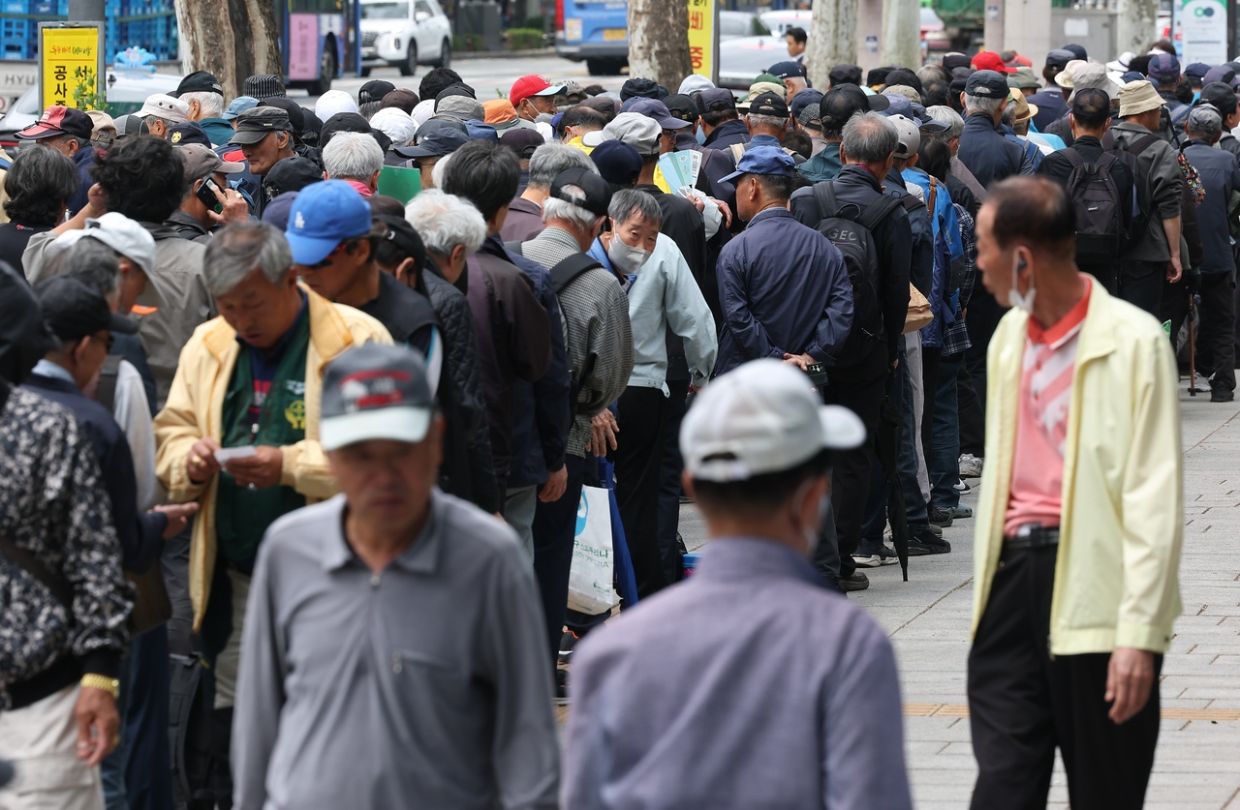
The South Korean capital of Seoul stands at a crossroads over whether it can sustain yet another major transportation subsidy, as municipal authorities prepare to vote on offering free or reduced-price bus fares for senior citizens aged 70 and older. The proposal, which passed a committee review at the Seoul Metropolitan Council on June 15 before advancing to a full plenary vote scheduled for June 17, seeks to broaden an existing system of free subway access that already covers residents aged 65 and above. The initiative reflects a campaign commitment made by Seoul Mayor Oh Se-hoon and appears aligned with a broader push across South Korea's major cities to expand elderly welfare. However, the plan has sparked considerable debate about whether the city can absorb such costs without compromising its already strained finances.
The ordinance, introduced by Lee Byeong-yoon, who chairs the Seoul Metropolitan Council Transportation Committee under the People Power Party, would establish the legal groundwork for a senior bus-fare support programme affecting a city where more than one in five residents—21.2 percent of the population—are elderly. The scope of the measure would encompass local neighbourhood and municipal buses whilst deliberately excluding express routes and intercity services, a limitation designed to contain expenditure. Yet even with this restriction, financial projections paint a sobering picture for city planners grappling with an ageing demographic.
Cost estimates reveal the magnitude of the fiscal challenge ahead. According to calculations by the Seoul Metropolitan Council Secretariat, implementing universal free bus rides for all residents aged 70 and above would require approximately 104.7 billion won—roughly US$68 million—in the first year alone, assuming a 2027 launch date. As the population aged 70 and above is expected to swell from approximately 1.27 million currently to 1.63 million by 2031, yearly expenses could climb to 127.5 billion won. Over a five-year implementation window, total projected spending reaches nearly 579 billion won, creating what critics describe as an unsustainable long-term commitment. These figures compound an already significant financial burden on municipal coffers.
Seoul's existing transportation subsidy system already stretches municipal resources considerably. The city operates a semipublic bus network in which municipal authorities compensate private operators for their operating losses, providing over 450 billion won in annual support. Simultaneously, Seoul Metro, which operates the subway system, has consistently lobbied the central government to help shoulder costs associated with free rides for seniors, people with disabilities, and national merit recipients. According to Seoul Metro's figures, these free-ride programmes generated average annual transportation losses of 364.5 billion won over the past five years, with the burden reaching 448.8 billion won in 2025 alone. Adding another major subsidy scheme at a time when the existing system is already straining the municipal budget raises legitimate questions about fiscal sustainability.
Proponents of the bus-fare subsidy argue that the current fragmented system creates equity problems for elderly residents. Whilst subway access has been free for those aged 65 and above for decades, bus fares remain a regular expense, placing disproportionate burdens on seniors living beyond convenient subway coverage areas or those who depend primarily on bus networks for daily mobility. This inconsistency, supporters contend, leaves vulnerable populations disadvantaged and unable to access public services equitably. The policy would harmonise transportation benefits across the public transit system and align Seoul with actions already underway in other major South Korean metropolitan areas.
Several regional cities have already moved forward with comparable programmes, setting precedents that both embolden Seoul supporters and complicate municipal policymaking. Daegu commenced offering free bus rides to seniors aged 75 and above in 2023, with plans to gradually reduce the eligibility threshold to age 70 by 2028. Daejeon currently provides free bus access to residents aged 70 and older, whilst Incheon announced intentions to launch its own programme covering those aged 75 and above during the current year. These initiatives, though well-intentioned, create competitive pressure on Seoul, as the national capital risks appearing stingy relative to peer cities whilst simultaneously facing graver fiscal constraints due to its larger elderly population and more extensive existing subsidy commitments.
Critics raise concerns that expanding welfare programmes, once implemented, become politically intractable to reduce or eliminate. Sohn Jong-pil, a senior researcher at the Fiscal Reform Institute, cautioned that cash-based welfare benefits acquire constituencies resistant to modification, making policymakers reluctant to scale back benefits even when fiscal circumstances demand retrenchment. He further noted that expanding support without simultaneously strengthening accountability mechanisms within the semipublic bus system offers only partial solutions to underlying structural problems. Labour costs present an additional complication: recent court rulings on ordinary wage calculations are expected to increase overall labour expenses across the bus industry, intensifying financial pressure on operators already dependent on municipal compensation.
Administration officials defending the ordinance emphasise that the measure creates a legal framework rather than mandating immediate universal provision of free rides. The ordinance grants Seoul discretionary authority over programme design, eligibility criteria, and benefit levels. This flexibility theoretically permits policymakers to implement narrower approaches—such as restricting benefits to low-income seniors, capping the number of subsidised journeys monthly, limiting support to specific times of day, or offering partial fare discounts rather than complete exemptions. A Seoul city official characterised the ordinance as establishing institutional foundations upon which more targeted programmes could be constructed, allowing the administration to calibrate implementation according to available resources and demonstrated need rather than automatically extending universal benefits to all qualifying residents.
The distinction between legislative authorisation and immediate programme rollout matters considerably. Even if the ordinance passes the council vote in mid-June, free bus rides would not commence immediately. Seoul would require substantial additional time to determine eligibility thresholds, define benefit parameters, establish administrative infrastructure, and identify funding mechanisms. This implementation lag provides breathing space for municipal authorities to assess actual fiscal conditions, evaluate outcomes from other cities' programmes, and potentially restructure the approach based on emerging evidence about costs and usage patterns. However, the danger of creating political expectation remains: once voters understand that the city council has voted to approve free bus fares, reversing course or substantially altering the promise becomes considerably more difficult, regardless of financial obstacles that emerge during implementation.
The debate surrounding Seoul's potential bus-fare subsidy reflects broader tensions evident across developed East Asian societies grappling with rapid demographic ageing. Policymakers face intensifying demands for elderly-focused welfare spending precisely as declining birth rates compress the working-age population base that generates tax revenue. Seoul's situation illustrates how initial welfare expansions, undertaken with genuine social purpose, can create cascading fiscal pressures that eventually force painful choices between competing priorities. The city already struggles to fund its subway system adequately whilst maintaining affordable fares across the general population. Layering additional commitments onto an already strained municipal budget raises fundamental questions about whether Seoul's administration possesses the fiscal capacity to sustain contemporary welfare expectations without either dramatically raising revenues or fundamentally restructuring service delivery.
The outcome of the June 17 council vote will signal Seoul's appetite for managing this demographic challenge through expanded social spending. A passage would position the city alongside other major South Korean metropolitan areas offering senior bus subsidies, potentially influencing national-level policy discussions about elderly welfare standards. However, it would also commit Seoul to navigating the complex task of programme design and funding without clear assurance that the central government will provide financial relief, as it has consistently declined to do for the existing subway subsidy burden. Ultimately, the decision reflects a choice between addressing immediate equity concerns for vulnerable elderly residents and maintaining fiscal discipline in an environment of constrained resources and competing municipal priorities.

%22%2F%3E%3C%2Fpattern%3E%3C%2Fdefs%3E%3Crect%20width%3D%22100%25%22%20height%3D%22100%25%22%20fill%3D%22url(%23ph2aayug)%22%2F%3E%3Crect%20width%3D%22100%25%22%20height%3D%22100%25%22%20fill%3D%22url(%23ph2aayup)%22%2F%3E%3Ctext%20x%3D%2250%25%22%20y%3D%2250%25%22%20text-anchor%3D%22middle%22%20dominant-baseline%3D%22central%22%20fill%3D%22rgba(255%2C255%2C255%2C0.95)%22%20font-family%3D%22Georgia%2C%20'Times%20New%20Roman'%2C%20serif%22%20font-weight%3D%22700%22%20font-size%3D%22320%22%20letter-spacing%3D%22-0.02em%22%3ERim%3C%2Ftext%3E%3C%2Fsvg%3E)