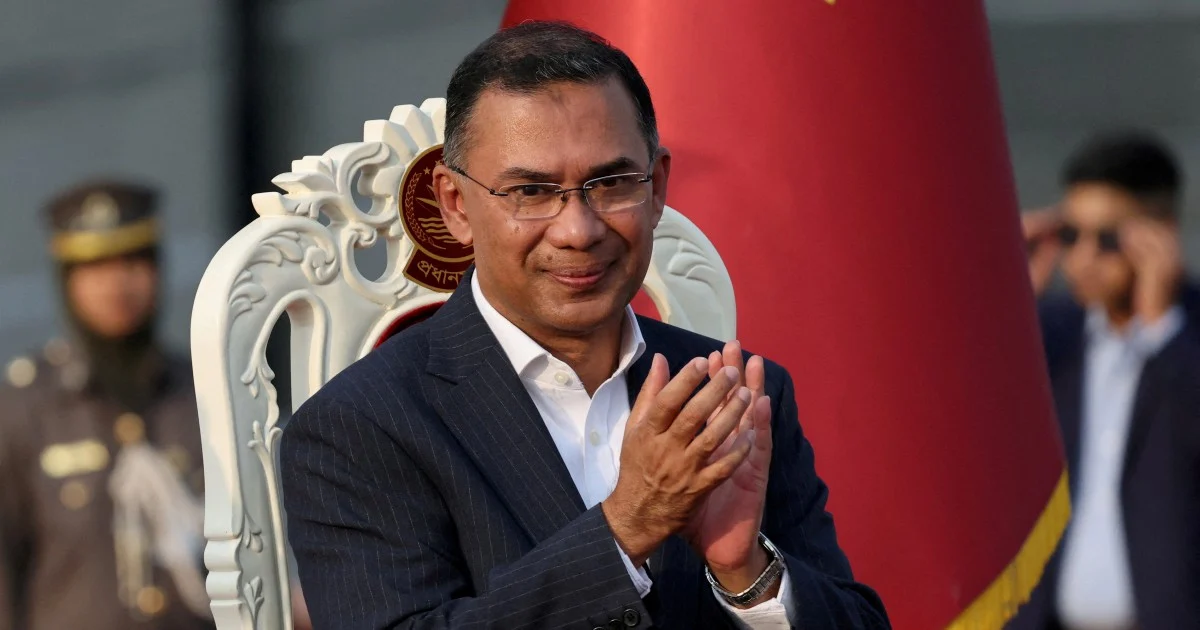
Bangladesh Prime Minister Tarique Rahman touched down at Kuala Lumpur International Airport in Sepang today, marking the beginning of a significant diplomatic engagement aimed at revitalising the bilateral relationship between Dhaka and Kuala Lumpur. The visit signals renewed commitment from both nations to strengthen their longstanding partnership and explore fresh avenues for collaboration in areas where shared interests align.
The timing of Rahman's visit underscores the growing importance of Malaysia-Bangladesh ties within the broader Southeast Asian context. Both countries, with their substantial Muslim-majority populations and developing economies, share considerable overlap in policy priorities ranging from trade and investment to cultural exchange and educational collaboration. The visit comes as regional dynamics continue to evolve, with nations increasingly seeking to fortify partnerships that offer mutual economic and political benefits.
Official diplomatic channels have framed the visit as an opportunity to review the current state of bilateral relations and chart a course for enhanced engagement. Key areas likely to feature in discussions include trade facilitation, investment promotion, and the movement of skilled workers between the two countries. Malaysia has long been a destination for Bangladeshi professionals and workers, with significant diaspora communities establishing themselves across various sectors of the Malaysian economy.
The visit also carries implications for regional stability and cooperation within the Association of Southeast Asian Nations framework. While Bangladesh is not a member of ASEAN, it maintains observer status and participates actively in regional forums such as the Bay of Bengal Initiative for Multi-Sectoral Technical and Economic Cooperation. Strengthened Malaysia-Bangladesh ties could contribute to more cohesive approaches to regional challenges including maritime security, trade connectivity, and climate resilience.
Bilateral trade between the nations has shown fluctuations over recent years, reflecting broader global economic trends and sectoral developments. Malaysian investments in Bangladesh's garment and textile industries have historically represented a significant component of foreign direct investment flows, though both countries recognise untapped potential in sectors such as technology, renewable energy, and manufacturing. Rahman's visit presents an occasion to discuss mechanisms for removing trade barriers and facilitating easier access to both markets.
Educational cooperation constitutes another pillar of the relationship that both governments appear keen to expand. Malaysian universities have attracted Bangladeshi students seeking internationally recognised qualifications, while Bangladesh institutions have benefited from knowledge-sharing arrangements and technical partnerships with Malaysian counterparts. Enhanced scholarship programmes and academic exchange initiatives are likely to feature in discussions between senior officials during the visit.
Cultural and people-to-people exchanges have historically strengthened Malaysia-Bangladesh bonds, fostered through shared Islamic heritage and common regional perspectives. Religious scholars, artists, and community leaders from both nations have engaged in numerous collaborative initiatives. The visit provides a platform for government leaders to emphasise these grassroots connections and potentially launch new cultural diplomacy initiatives that resonate with broader populations on both sides.
Bangladesh's status as a major source country for migrant workers to Malaysia means labour-related discussions will likely feature prominently in diplomatic conversations. Issues surrounding worker protection, skills certification, and remittance corridors remain important for the Bangladeshi government, which depends significantly on foreign exchange earnings from its diaspora. Malaysia, facing ongoing labour market demands across construction, hospitality, and domestic service sectors, maintains keen interest in formalising and regulating worker flows from Bangladesh.
The geopolitical context of the Indo-Pacific region adds another dimension to the timing of this visit. Both Malaysia and Bangladesh navigate complex relationships with major powers while seeking to maintain strategic autonomy. Cooperation between the two nations on issues ranging from maritime governance to technological advancement reflects their shared interest in preserving a rules-based regional order that accommodates smaller and medium-sized powers.
Energy cooperation represents an emerging area where both nations could potentially collaborate more substantially. Bangladesh possesses natural gas reserves and expertise in energy infrastructure, while Malaysia operates as a regional hub for petrochemical industries and renewable energy development. Joint ventures or technology transfers in these sectors could yield mutual economic benefits and contribute to regional energy security.
The Prime Minister's entourage is expected to include senior officials from various ministries, suggesting a comprehensive approach to bilateral engagement across multiple government departments. Such high-level delegations typically result in the signing of memoranda of understanding or agreements that formalise intentions in priority sectors, providing concrete frameworks for subsequent implementation by lower-level officials.
Looking ahead, the success of Rahman's visit will likely be measured by the quantity and quality of commitments made regarding future cooperation. Beyond ceremonial aspects, both governments will assess whether concrete mechanisms have been established to translate bilateral goodwill into tangible outcomes that benefit their respective economies and populations. The visit thus represents more than symbolic diplomatic courtesy—it constitutes a potentially significant moment for repositioning the Malaysia-Bangladesh relationship within the rapidly evolving Southeast Asian geopolitical and economic landscape.