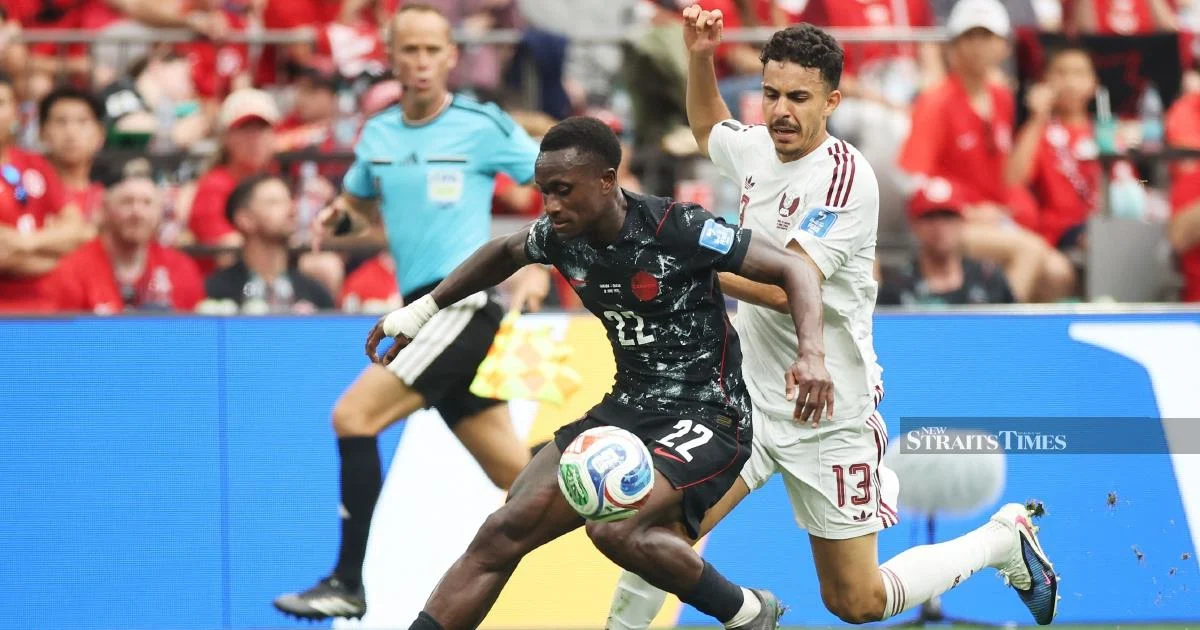
Qatar's humiliating 6-0 defeat to Canada at the FIFA World Cup has become a cautionary tale in modern football, illustrating a painful truth that investment and infrastructure alone cannot manufacture sporting excellence. The comprehensive nature of the loss—one of the tournament's most lopsided results—prompted football analysts to fundamentally reassess how the wealthy Gulf nation approached its long-term development of the sport, raising serious questions about strategic planning and implementation within football organizations.
The scale of the loss represents more than a single match result; it represents a broader reckoning with Qatar's entire football development philosophy over the past decade. When the nation secured hosting rights for the World Cup, the assumption among many was that financial resources combined with world-class facilities would naturally translate into a competitive national team. The Canadian victory exposed a critical flaw in this logic: that money, though necessary, cannot substitute for time-tested player development systems, experienced coaching infrastructure, or a sustainable domestic league that produces world-class talent. Qatar effectively learned an expensive lesson about the nonlinear relationship between spending and sporting success in international football.
Football experts observing the result pointed to the absence of organic talent development pathways within Qatar's system. Unlike traditional football nations with deeply embedded grassroots programmes and decades of competitive domestic leagues, Qatar's approach involved recruiting foreign coaching talent and attempting to accelerate player improvement through resources. This strategy overlooked the fundamental importance of building cultural affinity with the sport among the local population and allowing young players to develop through natural competition hierarchies rather than artificial acceleration methods.
The Canadian team's dominant performance highlighted the advantage of sustained competitive exposure. Players on the Canadian squad had accumulated extensive experience in major leagues and international competitions, creating a collective understanding of tactical nuance and high-pressure situations that Qatar's relatively inexperienced squad could not match. This disparity became painfully apparent during the match, where technical execution, positional awareness, and decisive finishing demonstrated the gap between players forged through competitive adversity and those developed through resource allocation alone.
For Malaysian observers and Southeast Asian football stakeholders, Qatar's experience offers instructive insights into the limitations of wealth-based sporting strategies. The region has watched several nations invest heavily in football infrastructure and facilities while struggling to achieve corresponding international results. The Qatar case suggests that even with a World Cup host nation's privileges and unlimited financial backing, sustained competitive success requires different ingredients: domestic league strength, youth development consistency, and realistic timelines for player maturation.
Analysts emphasized that Qatar's organizational structure for national team preparation failed to account for the psychological and tactical demands of elite international football. The Canadian team demonstrated superior tactical cohesion, suggesting their preparation focused on functional team performance rather than individual player brilliance. Qatar's approach, by contrast, appeared reliant on hoping individual quality would overcome systemic gaps—a fundamental misunderstanding of how modern football competition works at the highest levels.
The broader implications for Gulf football remain significant. Qatar's status as World Cup hosts meant the nation faced enormous expectations and resources. The humbling loss suggests that even the most favorable circumstances cannot accelerate the natural timeline for football nation-building. Rival nations in the Gulf and across Asia may now recalibrate their own development strategies, recognizing that sustained investment in youth academies, competitive domestic structures, and coaching stability matters more than sudden injection of capital or hiring high-profile foreign players nearing the end of their careers.
China's parallel experiences in recent decades—spending vast sums to elevate football competitiveness with limited success until fundamental structural improvements were implemented—provide additional context for why Qatar's strategy faced predictable obstacles. Football development requires generational patience, something that unlimited budgets cannot accelerate beyond certain biological and developmental limits.
The Canada match also reflected how hosting the World Cup, while providing visibility and infrastructure improvements, does not confer competitive advantage to the host nation's team. Qatar entered as de facto home side with modern stadiums, but Canada brought tested expertise and international pedigree that money cannot hastily purchase. The contrast illustrated why developing football talent remains fundamentally different from constructing physical infrastructure.
Looking forward, Qatar faces the decision whether to continue its financial football strategy with adjusted parameters or to fundamentally restructure its approach to emphasize sustainable domestic league development and longer-term player cultivation. The 6-0 loss provides clear evidence that neither option can be avoided if genuine international competitiveness remains the objective. For other aspiring football nations, particularly in Asia, the message is unambiguous: financial resources create necessary but insufficient conditions for success.
%22%2F%3E%3C%2Fpattern%3E%3C%2Fdefs%3E%3Crect%20width%3D%22100%25%22%20height%3D%22100%25%22%20fill%3D%22url(%23ph2m8m0g)%22%2F%3E%3Crect%20width%3D%22100%25%22%20height%3D%22100%25%22%20fill%3D%22url(%23ph2m8m0p)%22%2F%3E%3Ctext%20x%3D%2250%25%22%20y%3D%2250%25%22%20text-anchor%3D%22middle%22%20dominant-baseline%3D%22central%22%20fill%3D%22rgba(255%2C255%2C255%2C0.95)%22%20font-family%3D%22Georgia%2C%20'Times%20New%20Roman'%2C%20serif%22%20font-weight%3D%22700%22%20font-size%3D%22320%22%20letter-spacing%3D%22-0.02em%22%3EIJN%3C%2Ftext%3E%3C%2Fsvg%3E)
%22%2F%3E%3C%2Fpattern%3E%3C%2Fdefs%3E%3Crect%20width%3D%22100%25%22%20height%3D%22100%25%22%20fill%3D%22url(%23ph9nuzg)%22%2F%3E%3Crect%20width%3D%22100%25%22%20height%3D%22100%25%22%20fill%3D%22url(%23ph9nuzp)%22%2F%3E%3Ctext%20x%3D%2250%25%22%20y%3D%2250%25%22%20text-anchor%3D%22middle%22%20dominant-baseline%3D%22central%22%20fill%3D%22rgba(255%2C255%2C255%2C0.95)%22%20font-family%3D%22Georgia%2C%20'Times%20New%20Roman'%2C%20serif%22%20font-weight%3D%22700%22%20font-size%3D%22226%22%20letter-spacing%3D%22-0.02em%22%3EMarcos%3C%2Ftext%3E%3C%2Fsvg%3E)
%22%2F%3E%3C%2Fpattern%3E%3C%2Fdefs%3E%3Crect%20width%3D%22100%25%22%20height%3D%22100%25%22%20fill%3D%22url(%23ph4a1v8g)%22%2F%3E%3Crect%20width%3D%22100%25%22%20height%3D%22100%25%22%20fill%3D%22url(%23ph4a1v8p)%22%2F%3E%3Ctext%20x%3D%2250%25%22%20y%3D%2250%25%22%20text-anchor%3D%22middle%22%20dominant-baseline%3D%22central%22%20fill%3D%22rgba(255%2C255%2C255%2C0.95)%22%20font-family%3D%22Georgia%2C%20'Times%20New%20Roman'%2C%20serif%22%20font-weight%3D%22700%22%20font-size%3D%22272%22%20letter-spacing%3D%22-0.02em%22%3EPerak%3C%2Ftext%3E%3C%2Fsvg%3E)