%22%2F%3E%3C%2Fpattern%3E%3C%2Fdefs%3E%3Crect%20width%3D%22100%25%22%20height%3D%22100%25%22%20fill%3D%22url(%23ph9nuzg)%22%2F%3E%3Crect%20width%3D%22100%25%22%20height%3D%22100%25%22%20fill%3D%22url(%23ph9nuzp)%22%2F%3E%3Ctext%20x%3D%2250%25%22%20y%3D%2250%25%22%20text-anchor%3D%22middle%22%20dominant-baseline%3D%22central%22%20fill%3D%22rgba(255%2C255%2C255%2C0.95)%22%20font-family%3D%22Georgia%2C%20'Times%20New%20Roman'%2C%20serif%22%20font-weight%3D%22700%22%20font-size%3D%22226%22%20letter-spacing%3D%22-0.02em%22%3EMarcos%3C%2Ftext%3E%3C%2Fsvg%3E)
Philippine President Ferdinand R. Marcos Jr has identified significant opportunities for expanding cooperation between ASEAN and Russia in cutting-edge technology and energy sectors, suggesting that decades of established diplomatic relations have left substantial room for growth. Speaking after attending the ASEAN-Russia Commemorative Summit in Kazan, Marcos characterised the current moment as a turning point for regional engagement with Moscow, marking a departure from traditional economic and political frameworks that have dominated the partnership since its inception.
The Philippines leader acknowledged that while ASEAN-Russia relations have evolved steadily over the past three decades, the partnership has not yet flourished to its maximum capacity. He noted that progress has been uneven across the ten-member bloc, with some countries developing significantly deeper bilateral ties with Russia than others. This variation reflects the diverse foreign policy orientations within ASEAN, where individual member states maintain distinct strategic priorities and historical relationships with major powers.
Marcos specifically highlighted emerging industries that barely existed when ASEAN and Russia first established formal dialogue relations, positioning these sectors as gateways for reinvigorated cooperation. Advanced technology infrastructure, artificial intelligence applications, data centre development, and renewable and conventional power generation represent domains where Russian expertise and ASEAN's growing technological appetites could converge. The president framed these areas as having been overlooked in previous decades when traditional trade in commodities and conventional manufacturing dominated the bilateral agenda.
Russia's expanding presence and capabilities in these advanced sectors have created what Marcos termed "new opportunities for deeper collaboration" that extend beyond the relationship's historical parameters. This assessment carries particular relevance for Southeast Asian nations grappling with digitalisation challenges, energy security concerns, and the need to modernise infrastructure. As ASEAN economies invest heavily in technological upgrading and seek diverse sources of expertise and investment, partnerships with established technological powers become increasingly valuable.
The Philippine president characterised ASEAN's evolving approach to international engagement as a natural maturation process driven by changing geopolitical dynamics and regional development needs. He suggested that the region is consciously diversifying its partnership portfolio, moving away from exclusive reliance on traditional allies and exploring collaborations with multiple external actors. This strategic flexibility, he implied, reflects ASEAN's growing confidence and agency in navigating a complex multipolar environment rather than remaining confined to historical alignments.
Marcos used the phrase "growing up fast" to describe ASEAN's transformation, indicating that member states are becoming more sophisticated in calibrating their foreign relations and identifying mutually beneficial arrangements across different partners. The region is simultaneously deepening engagement with traditional partners while cautiously exploring expanded cooperation with other powers, a balancing act that requires careful diplomatic navigation. This approach aligns with ASEAN's longstanding principle of strategic autonomy and non-alignment.
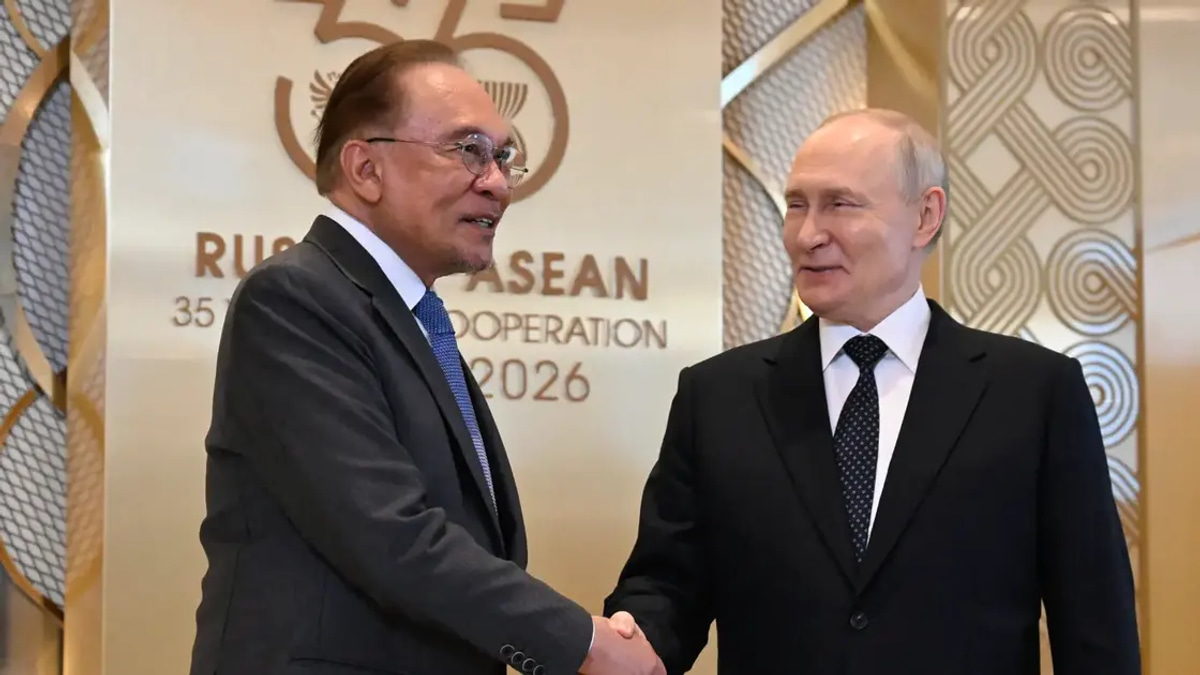
The commemorative summit itself underscored the institutional foundation supporting ASEAN-Russia relations. The gathering marked more than 35 years of formal dialogue, a relationship spanning from the Cold War era through multiple international transformations. The adoption of several comprehensive outcome documents during the Kazan summit signals serious commitment to structuring future engagement. Key agreements include the Kazan Declaration 2026, which sets overarching principles and aspirations, and the ASEAN-Russia Comprehensive Plan of Action for 2026–2030, which provides concrete operational frameworks for bilateral cooperation.
Beyond trade and investment mechanisms, the summit produced joint documents specifically addressing cultural and energy cooperation, reflecting recognition that people-to-people exchanges and energy security constitute critical pillars of sustainable partnership. Cultural collaboration helps build mutual understanding and public support for closer ties, while energy cooperation addresses practical needs in both regions. For ASEAN nations increasingly concerned about energy independence and transitioning power sectors, Russian involvement in conventional energy infrastructure and potential collaboration on technological solutions carries strategic significance.
Marcos's framing of the current phase as a "new day" in ASEAN-Russia relations suggests that previous partnership models may have been constrained by outdated assumptions about mutual interests and capabilities. The president emphasised that dialogue between ASEAN and Russia has been continuously strengthening, but new sectors and technological domains now merit serious attention. This reorientation potentially opens avenues for collaboration that previous generations of policymakers might not have considered viable or relevant.
For Malaysia and other ASEAN members, this diplomatic positioning carries implications for how regional nations calibrate their own bilateral relationships with Russia. While each country maintains distinct national interests and foreign policy orientations, ASEAN bloc-level initiatives provide frameworks for coordinated engagement. The focus on technology and energy cooperation aligns with broader Southeast Asian development priorities, including digital transformation, infrastructure modernisation, and energy security—challenges that transcend individual national boundaries and call for regional solutions.
The timing of this emphasis on ASEAN-Russia cooperation also reflects broader geopolitical shifts. As great power competition intensifies and traditional partnerships face strain, regional organisations like ASEAN increasingly serve as platforms for expanding diplomatic options and creating economic interdependencies that promote stability. Russia, despite international sanctions related to its invasion of Ukraine, continues seeking engagement opportunities with Asian nations that have maintained more balanced stances toward Moscow.
Implementing the outcomes from the Kazan summit will require sustained political will and concrete investments from both sides. The transition from aspirational declarations to functioning cooperative mechanisms often proves challenging, particularly when dealing with advanced technology sectors requiring substantial capital and expertise. Nevertheless, the identification of these growth areas and the establishment of five-year cooperative frameworks suggest that both ASEAN and Russia view the relationship as sufficiently important to warrant serious institutional development.
Moving forward, how effectively ASEAN nations—including Malaysia—can leverage these expanded cooperation frameworks while managing their own strategic autonomy will largely determine whether this "new day" produces tangible benefits. The coming years will test whether the shared recognition of untapped potential translates into meaningful collaboration that addresses genuine regional needs and creates sustainable partnerships in technology and energy sectors.