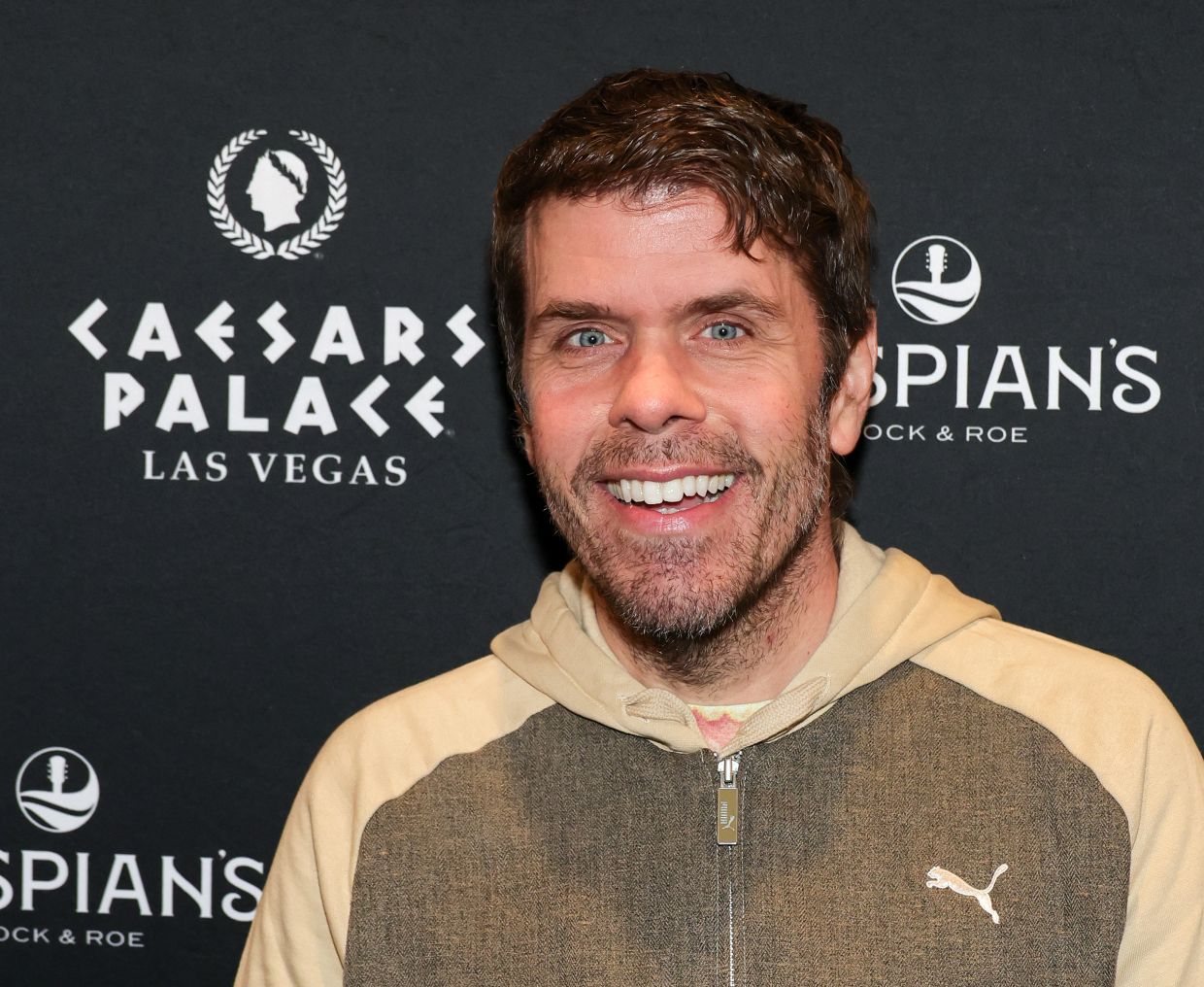
The family of celebrity blogger and influencer Perez Hilton has made an emotional public appeal, asking members of the media, paparazzi, and content creators to cease surveillance of their Miami residence and grant his children space to recover from a traumatic recent incident. The statement, released Thursday on Hilton's website, underscores the severity of a mental health emergency that unfolded in the celebrity's home earlier this week and the collateral impact on vulnerable family members who were present.
According to the family's account, Hilton's three children, his niece, and his sister were inside the residence just moments before a disturbing incident that would eventually capture widespread public attention. The situation escalated rapidly when Hilton experienced what the family characterised as a severe mental health crisis accompanied by self-harm behaviour. Recognising the danger and distress, family members immediately evacuated the children from the home to shield them from further psychological trauma and witnessing additional harmful actions.
On Tuesday night, Miami-Dade police departments received a surge of emergency calls after a livestreamed video circulated on TikTok depicting a bloodied Hilton repeatedly harming himself with sharp objects including a box cutter and knife. The disturbing broadcast prompted swift action from alarmed viewers and platform moderators who recognised the severity of the situation and contacted authorities. The rapid response highlighted how digital platforms can both document crises and facilitate emergency intervention in real time.
Miami-Dade Sheriff's Office responded by establishing a perimeter around Hilton's residence. By approximately 9 p.m., officials announced that Hilton had been "safely recovered" and transported by Miami-Dade Fire Rescue to a local hospital for medical evaluation and treatment. The successful resolution of the immediate crisis provided some relief to concerned family members and the broader public audience that had witnessed the incident unfold online.
The family's formal statement reveals the ongoing emotional toll of these events on those closest to Hilton. They describe the experiences of recent days as "nearly unbearable," acknowledging the profound stress experienced by all household members. Crucially, they emphasise that their primary focus remains supporting Hilton's three children and his niece as they process what they witnessed and begin a healing trajectory. The family recognises that recovery from such trauma requires time, stability, and protection from external pressures.
A cornerstone of the family's recovery strategy involves restoring a sense of normalcy and security within the home environment. They argue that persistent media attention and paparazzi presence outside their residence fundamentally undermines this objective, as constant surveillance creates an atmosphere of continued crisis and instability. The family's request for media withdrawal reflects a growing recognition within celebrity circles that privacy protections for children affected by parental mental health emergencies constitute a legitimate public interest.
While detailed information regarding Hilton's current medical condition remains limited, the family disclosed that they have confirmed his ability to communicate with those around him. This development has provided them with cautious optimism during an otherwise dark period. The capacity for communication suggests a degree of stabilisation and offers hope that Hilton may gradually engage with his treatment and begin recovery processes, though the full trajectory of his condition remains uncertain.
The timing of a recently aired interview with conservative political commentator Sean Hannity adds another dimension to understanding Hilton's recent trajectory. In the broadcast, recorded weeks prior to the crisis, Hilton reflected extensively on his past behaviour as a gossip blogger and influencer, revealing a pattern of attention-seeking that he characterised as addictive in nature. He acknowledged deliberately targeting celebrities and causing harm through invasive reporting and personal attacks, describing himself as someone who "still" struggles with attention addiction despite claims of improvement.
Hilton's reflections on his earlier career demonstrate awareness of the destructive patterns that characterised his rise to prominence. He recounted attempts at reconciliation with several celebrities he had harmed, including Britney Spears and Khloe Kardashian, describing these conversations as productive. More significantly, he discussed a private apology to actor Neil Patrick Harris for aggressive attempts to publicly out him as gay before Harris had publicly disclosed his sexuality—an action he now recognises as cruel and privacy-violating.
The celebrity blogger has attributed recent personal transformation to a serious health scare in March, when he was hospitalised for severe sepsis requiring twenty-one days of intensive treatment. During this medical crisis, Hilton claims to have experienced a spiritual awakening that prompted fundamental reassessment of his life choices and values. Since that experience, he has publicly discussed religious faith, launched a religious merchandise line, and appeared on podcast platforms to discuss his spiritual journey, signalling what he frames as substantive behavioural change.
However, the current mental health crisis raises complex questions about the stability and sustainability of Hilton's reported transformation. While he has articulated remorse for past harmful behaviour and claimed to have substantially modified his approach to public life, the acute mental health emergency suggests underlying vulnerabilities that spiritual or behavioural frameworks alone may not address. The incident demonstrates how public figures navigating recovery from years of destructive patterns may face ongoing psychological challenges that require professional medical and psychiatric support.
For Malaysian and Southeast Asian readers, the Perez Hilton situation offers instructive lessons about celebrity accountability, mental health crisis management in the digital age, and the complex relationship between media freedom and privacy protections for vulnerable family members. The case illustrates how even as public figures attempt reconciliation with past harms, they may continue struggling with deeper psychological issues that demand comprehensive professional intervention rather than spiritual rebirth narratives alone.
The family's appeal for privacy also reflects evolving standards regarding media ethics in covering mental health crises. Rather than sensationalising such incidents or pursuing celebrities and their families for exclusive content, responsible journalism increasingly recognises that respecting privacy during acute psychological emergencies serves broader public interests in dignified crisis resolution and family protection. This principle merits consideration across media landscapes globally.

