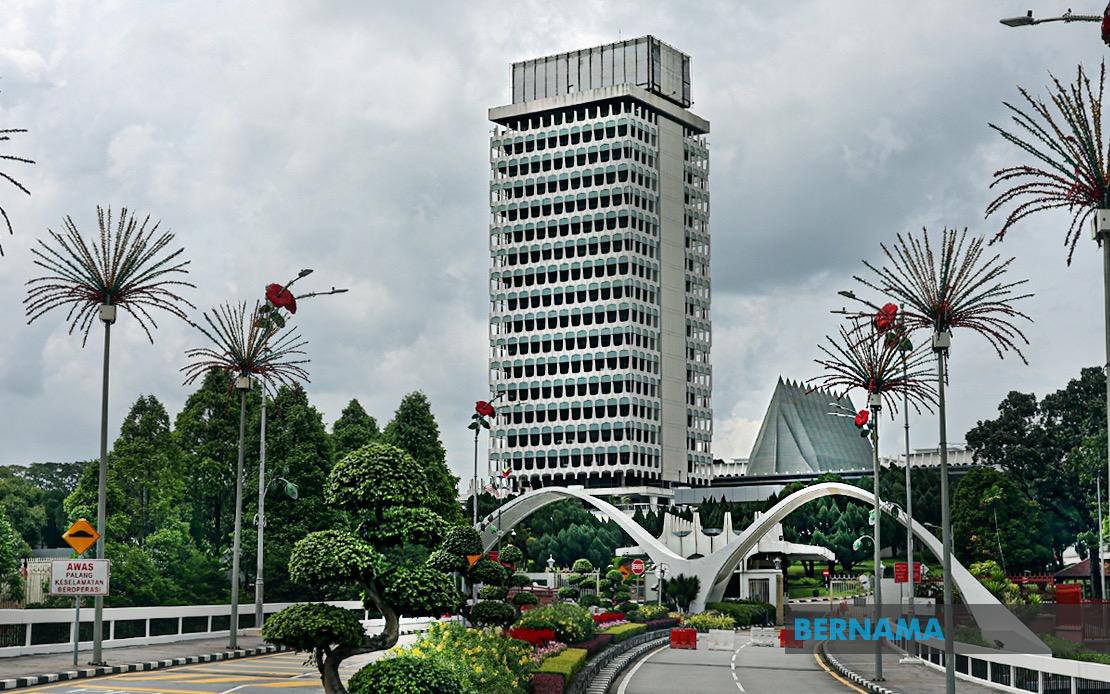
Lawmakers will scrutinise the ripple effects of shipping disruptions in the Strait of Hormuz on the Malaysian economy when Parliament opens its Second Meeting of the Fifth Session today, with particular attention to how supply chain volatility affects industrial competitiveness and consumer prices. The session, running through July 16, signals growing concern among elected representatives about external shocks threatening economic stability as the nation navigates an uncertain global landscape increasingly shaped by geopolitical tensions.
Datuk Dr Richard Rapu @ Aman anak Begri, the GPS-Betong member, will press the Economy Minister for a comprehensive assessment of how disruptions in one of the world's most critical maritime corridors have strained local manufacturing sectors and contributed to inflation during the second quarter of 2026. The inquiry reflects awareness that Malaysia, as a trade-dependent economy heavily reliant on predictable shipping routes and supply chains, faces unique vulnerability when such chokepoints face operational challenges. Businesses across manufacturing, petrochemicals, and consumer goods sectors depend on stable transit through this passage, making even temporary interruptions costly.
Beyond immediate trade concerns, Dr Rapu will also demand clarity on contingency planning mechanisms embedded within the 13th Malaysia Plan to protect growth trajectories should a sustained global recession materialise. This dual questioning reveals parliamentary concern that Malaysia cannot rely solely on external demand recovery and must build domestic resilience through deliberate policy intervention. The pursuit of GDP growth targets amid potential downturn signals policymakers' determination to maintain investment and employment despite international headwinds, a critical consideration for investor confidence.
The hajj pilgrimage system overhaul emerges as another legislative priority, with Onn Abu Bakar of Batu Pahat raising fundamental questions about operational efficiency in 2027. Hajj administration directly touches thousands of Malaysian families annually, making cost management, waiting list reduction, and pilgrim safety paramount concerns. As one of Southeast Asia's largest Muslim-majority nations, Malaysia's hajj operations reflect both spiritual commitment and logistical complexity, with room for improvement in managing expenses that weigh heavily on aspirant pilgrims' financial planning.
Wong Shu Qi's interrogation of the Digital Minister concerning the proposed Artificial Intelligence Governance Bill underscores Parliament's growing apprehension about digital-era crimes, particularly those involving synthetic media and child exploitation. The drafting of explicit AI governance frameworks demonstrates recognition that rapid technological adoption has outpaced protective legislation, leaving vulnerable populations exposed to novel forms of abuse. Malaysia's emergence as a regional technology hub makes robust digital safeguards essential to maintaining both citizen trust and international standing.
The query specifically targeting deepfake creation of child sexual abuse material, identity spoofing, and non-consensual intimate content distribution identifies bleeding-edge criminal methodologies that conventional cybercrime legislation struggles to address. This represents a generational shift in how Parliament conceptualises harm and remediation, moving beyond traditional offence categories toward emerging technological threats. For Malaysian policymakers, the stakes involve protecting minors while enabling legitimate AI innovation—a delicate balance reflected in careful legislative drafting.
Datuk Dr Radzi Jidin's questioning about food security interventions reveals concern that geopolitical upheaval in the Middle East, a region supplying agricultural inputs and affecting global commodity pricing, threatens Malaysia's ability to feed its population reliably. The distinction between short-term crisis management, medium-term stabilisation, and long-term structural strengthening reflects sophisticated understanding that food security requires layered policy responses across multiple timeframes. For a nation importing substantial quantities of food and relying on global supply networks, Middle Eastern instability directly translates to domestic vulnerability.
The legislative agenda's inclusion of cybercrime and road transport reform bills indicates Parliament's intention to address mounting operational and public safety challenges simultaneously. The Cybercrime Bill 2026 will modernise Malaysia's digital crime framework, while amendments to the Road Transport Act signal ongoing refinement of traffic safety standards. This combination suggests lawmakers view security—both digital and physical—as interconnected components of national wellbeing.
The extended 16-day sitting schedule through mid-July provides adequate time for substantive debate on these interconnected issues affecting economic stability, public welfare, and technological governance. The prevalence of questions concerning external shocks—Hormuz disruptions, Middle Eastern conflict, global recession risks—demonstrates that Malaysian legislators increasingly recognise their economy's integration with regional and global systems, making protective domestic policy and international engagement equally vital for national prosperity and citizen welfare.
%22%2F%3E%3C%2Fpattern%3E%3C%2Fdefs%3E%3Crect%20width%3D%22100%25%22%20height%3D%22100%25%22%20fill%3D%22url(%23ph3u4gug)%22%2F%3E%3Crect%20width%3D%22100%25%22%20height%3D%22100%25%22%20fill%3D%22url(%23ph3u4gup)%22%2F%3E%3Ctext%20x%3D%2250%25%22%20y%3D%2250%25%22%20text-anchor%3D%22middle%22%20dominant-baseline%3D%22central%22%20fill%3D%22rgba(255%2C255%2C255%2C0.95)%22%20font-family%3D%22Georgia%2C%20'Times%20New%20Roman'%2C%20serif%22%20font-weight%3D%22700%22%20font-size%3D%22151%22%20letter-spacing%3D%22-0.02em%22%3ESoutheast%3C%2Ftext%3E%3C%2Fsvg%3E)
%22%2F%3E%3C%2Fpattern%3E%3C%2Fdefs%3E%3Crect%20width%3D%22100%25%22%20height%3D%22100%25%22%20fill%3D%22url(%23ph2dmw0g)%22%2F%3E%3Crect%20width%3D%22100%25%22%20height%3D%22100%25%22%20fill%3D%22url(%23ph2dmw0p)%22%2F%3E%3Ctext%20x%3D%2250%25%22%20y%3D%2250%25%22%20text-anchor%3D%22middle%22%20dominant-baseline%3D%22central%22%20fill%3D%22rgba(255%2C255%2C255%2C0.95)%22%20font-family%3D%22Georgia%2C%20'Times%20New%20Roman'%2C%20serif%22%20font-weight%3D%22700%22%20font-size%3D%22136%22%20letter-spacing%3D%22-0.02em%22%3EBangladesh%3C%2Ftext%3E%3C%2Fsvg%3E)