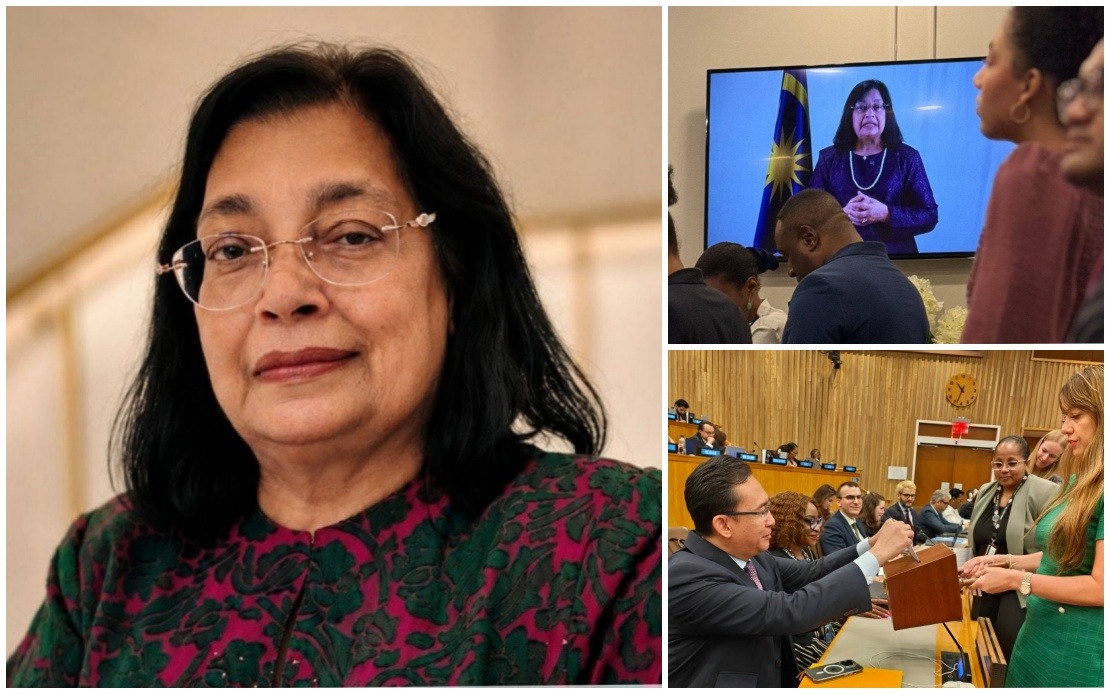
Datuk Yasmeen Muhamad Shariff has secured a seat on the United Nations Committee on the Rights of the Child following elections held at UN headquarters in New York on Tuesday, representing a significant diplomatic achievement for Malaysia in the international human rights arena. The Malaysian candidate emerged victorious in balloting conducted during the 21st Meeting of States Parties to the Convention on the Rights of the Child, polling 136 votes among the 189 States Parties participating in the election—the strongest support garnered in the contested selection process. Her appointment for the 2027–2031 term reinforces Malaysia's standing within the global children's rights framework and demonstrates sustained international confidence in the country's commitment to child welfare initiatives.
This represents the second occasion on which Yasmeen has attained membership of the committee, having previously served during the 2013–2017 term. Her reselection underscores recognition of her specialized knowledge and long-standing engagement with child protection issues across diverse policy and cultural contexts. The Foreign Ministry, through a statement released on Wednesday, emphasized that the election outcome reflects the broader international community's acknowledgement of her personal expertise and unwavering commitment to promoting child welfare and development worldwide. The decisive voting margin suggests that Yasmeen's candidacy enjoyed backing beyond Malaysia's immediate diplomatic circle, pointing to her established reputation among UN member states.
As a committee member, Yasmeen will operate in a personal capacity as an independent expert rather than as a governmental representative, a distinction that underscores the UN body's commitment to impartial oversight of child protection efforts globally. The Committee on the Rights of the Child functions as the principal international mechanism for monitoring compliance with the 1989 Convention on the Rights of the Child, the most extensively ratified human rights treaty worldwide. Committee members engage in constructive dialogue with States Parties regarding implementation challenges, scrutinize national reports on legislative and policy developments, and advocate for rights-based approaches to emerging issues affecting vulnerable youth populations. Through these mechanisms, the committee seeks to establish minimum standards for child protection and advance progressive thinking about how nations should address exploitation, abuse, neglect, and barriers to education and development.
Malaysia's successful nomination of Yasmeen reflects the country's broader positioning as a constructive participant in multilateral human rights mechanisms and its commitment to domestically advancing child protection frameworks. The Foreign Ministry's statement emphasized that the appointment recognizes Malaysia's implementation of inclusive policies, legal reform initiatives, and targeted programmes designed to enable every child to achieve their full potential. This characterization points to concrete initiatives undertaken within Malaysia, including amendments to child protection legislation, expansion of social safety nets, and engagement with civil society organizations focused on vulnerable populations including migrant children, children with disabilities, and those from economically disadvantaged communities.
The reappointment arrives at a moment when global attention on children's welfare has intensified due to pandemic-related disruptions to education, mental health challenges among youth, digital safety concerns, and ongoing conflicts affecting child populations in multiple regions. The committee's mandate takes on heightened significance in this context, as member states worldwide grapple with balancing pandemic recovery with investments in child-centered services and protections. Malaysia's presence on the body positions the country to contribute perspective from Southeast Asia, a region where diverse developmental challenges, rapid technological adoption, and varying governance frameworks create distinctive contexts for child protection policy development.
The Foreign Ministry further noted that the election outcome reflects Malaysia's sustained commitment to advancing children's rights through adherence to the Convention's foundational principles and provisions. This commitment extends beyond ceremonial endorsement to encompass practical engagement with implementing bodies and stakeholder coordination at both national and regional levels. The ministry highlighted the crucial role of the Ministry of Women, Family and Community Development in supporting Malaysia's nomination process and ensuring that the candidacy received appropriate institutional backing throughout the election cycle. This inter-ministerial coordination demonstrates how child protection agendas require alignment across multiple government portfolios addressing family support, social welfare, education, and community development.
Committee membership positions Yasmeen to contribute to discussions addressing contemporary challenges including child digital rights, climate change impacts on youth populations, mental health and psychosocial support needs, and protection of children in migration and displacement contexts. These emerging issues increasingly occupy the international children's rights agenda as member states confront complexities that extend beyond traditional frameworks addressing physical abuse and exploitation. The committee's output shapes how UN bodies interpret obligations under the Convention, influences how technical assistance is directed toward struggling states, and contributes to evolving global consensus about child protection standards.
Malaysia's election of Yasmeen to a second term also carries regional implications for Southeast Asia's engagement with international human rights mechanisms. Her continued participation in the committee ensures that regional voices contribute to deliberations about implementation challenges and opportunities across diverse national contexts. The region encompasses countries at varying stages of child protection infrastructure development, and Yasmeen's expertise could facilitate knowledge exchange and identification of promising practices applicable across Southeast Asian settings. This regional dimension becomes particularly relevant as countries within the Association of Southeast Asian Nations work toward harmonizing child protection standards while respecting national sovereignty and cultural frameworks.
Looking forward, Malaysia's statement emphasized that the international landscape for child protection has grown increasingly complex, necessitating robust institutional frameworks and sustained commitment from both national governments and multilateral bodies. The committee's oversight function becomes more critical as globalization, technological change, and geopolitical instability create novel vulnerabilities for youth populations while simultaneously expanding possibilities for protective intervention. Malaysia's continued investment in committee participation, through nomination and support of qualified experts like Yasmeen, signals the country's conviction that multilateral engagement on child protection yields tangible benefits for domestic policy development while contributing to international norm-setting processes that ultimately benefit children across all member states.