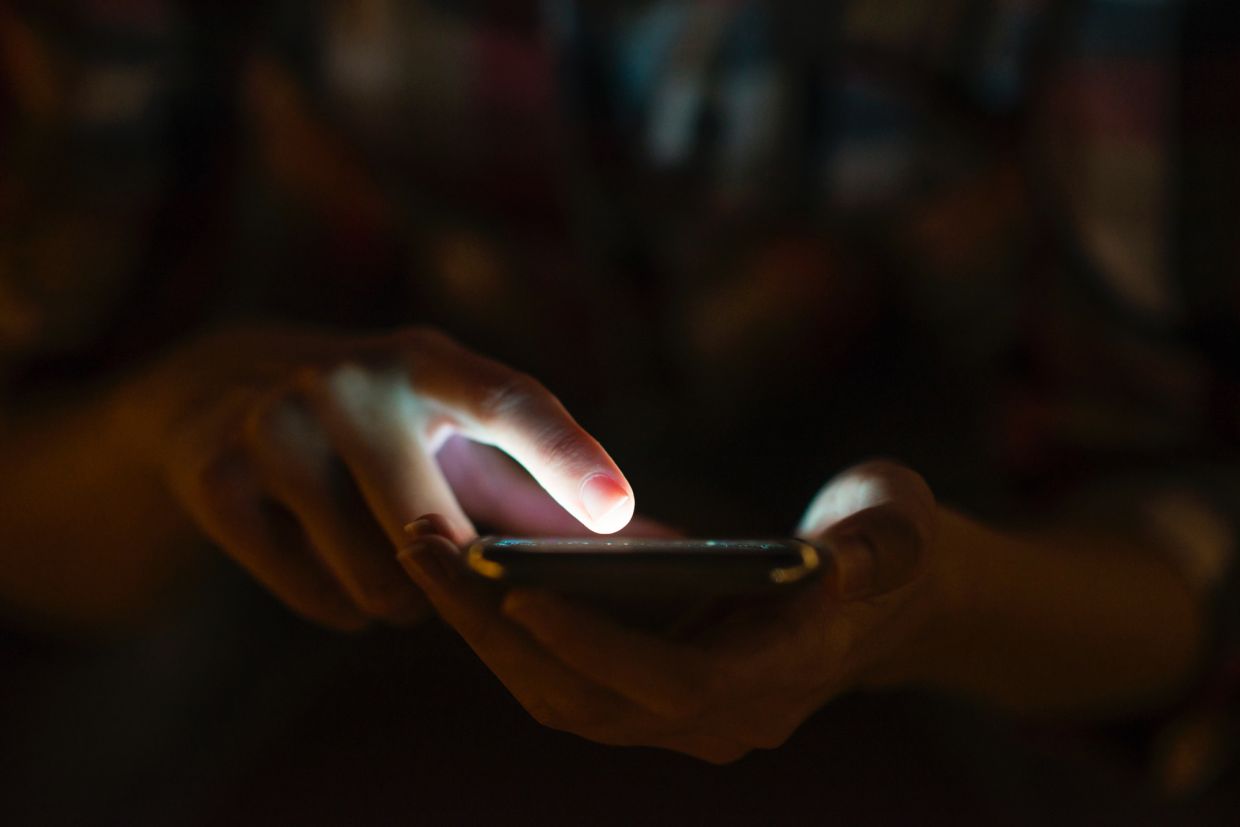
Malaysia's recently implemented social media ban for children under 16 has sparked serious deliberation among mental health professionals about whether the measure strikes the right balance between protecting young minds and restricting beneficial online access. Communications Minister Datuk Fahmi Fadzil introduced the restrictions to shield children from digital dangers, an objective that resonates with prominent mental health advocates, though the discourse reveals significant complexity beneath the policy's straightforward intent.
Global litigation patterns underscore the urgency driving such regulatory moves. TikTok recently agreed to settle three lawsuits from American young people claiming mental health deterioration from platform use, while Meta and Google faced a US$6 million (RM24.5 million) judgment in March for a user's depression and anxiety stemming from compulsive engagement. The cascading settlements—including US$27 million (RM110.4 million) paid by Meta, Snap, TikTok, and YouTube to an American school district in May, and most significantly New Mexico's US$567 million (RM2.31 billion) settlement from Meta for a teen mental health fund—illustrate how social media's psychological toll has become a matter of legal accountability worldwide.
Prof Datuk Dr Andrew Mohanraj, president of the Malaysian Mental Health Association and a consultant psychiatrist, champions the age restriction as a mechanism for substantial child mental health improvements. He emphasizes that children under 16 lack fully developed emotional regulation and critical thinking capacities, rendering them particularly susceptible to documented risks including anxiety and depression. The restriction addresses multiple interconnected problems: improved sleep patterns, reduced cyberbullying victimization, enhanced self-esteem and body image development, sharper attention spans, and stronger academic focus. Beyond these direct benefits, Prof Andrew highlights protection from content encouraging self-harm, suicide, pornography, hate speech, and gambling—material that minors encounter with disturbing frequency on unmoderated platforms.
University of Nottingham Malaysia Associate Professor Dr Chung Kai Li echoes these protective sentiments while broadening the analysis. She notes that restrictions shield young users from harmful advertising and sexual solicitation, both persistent platform features that undermine adolescent wellbeing. The freed time from reduced social media consumption, she suggests, enables activities fundamental to healthy development: adequate sleep, physical activity, and direct peer interaction. Yet Chung immediately qualifies this optimism, stressing that comprehensive digital restrictions do not constitute a universal remedy for youth mental health challenges.
Both experts acknowledge that social media itself is not inherently damaging. Prof Andrew points to supervised online access as genuinely therapeutic for isolated children—those managing chronic illness, experiencing social anxiety, or suffering bullying. For these vulnerable populations, online communities provide essential connection and resilience that offline environments cannot replicate. The Malaysian context complicates implementation, as numerous local children have already established digital identities across platforms, raising practical questions about enforcement and fairness.
Dr Chung expands this nuance by highlighting social media's capacity to foster connection and reduce mental health stigma, particularly for marginalized youth. Online spaces offer self-expression opportunities and access to support networks unavailable in conservative offline contexts. A blanket prohibition, she cautions, risks severing these positive lifelines. Assistant Professor Lee Eun Hee from the University of Nottingham Malaysia's psychology school similarly warns that comprehensive bans could inadvertently harm children for whom online communication provides less socially demanding pathways to friendship and community engagement.
Yet Lee articulates a sophisticated middle-ground perspective that avoids both unrestricted digital access and complete prohibition. She argues against parental surveillance that masquerades as protection, as excessive monitoring erodes the privacy and independence crucial for adolescent development. Instead, she advocates for sustained parental and teacher involvement characterized by attentive communication, regular interaction, and supportive environments where young people feel safe discussing online relationships and concerns. This approach requires, however, that adults themselves receive education about youth digital behavior, emerging risks, and supportive rather than punitive responses.
Dr Chung introduces a critical systemic perspective that transcends platform-specific interventions. Mental health outcomes reflect complex interactions across individual, familial, community, and societal levels. Emotion regulation difficulties, predispositions to mental illness, substance use, and exposure to adverse environments all increase vulnerability—factors entirely separate from social media consumption. By concentrating narrowly on digital restrictions, policymakers risk overlooking these foundational determinants of wellbeing.
The Malaysian policy debate thus reflects global tensions between harm reduction and individual autonomy. While the mental health case for protecting under-16s from social media's demonstrable risks appears substantial—supported by accumulating legal judgments and expert testimony—a singular focus on age-based bans risks becoming a superficial solution to multifaceted psychological challenges. The most credible expert voices call for simultaneous investment in parental digital literacy, peer support networks, and comprehensive mental health services that address root causes alongside symptom triggers.
Implementing this balanced framework requires sustained engagement beyond regulatory announcements. Mental health professionals in Malaysia and across Southeast Asia increasingly recognize that protecting young people's digital wellbeing demands holistic investment in education, community support, and accessible mental health infrastructure rather than prohibition alone. The conversation Malaysia has initiated offers valuable opportunity to design policies reflecting both the genuine benefits and legitimate dangers of adolescent social media engagement—a distinction that simplistic bans obscure.

