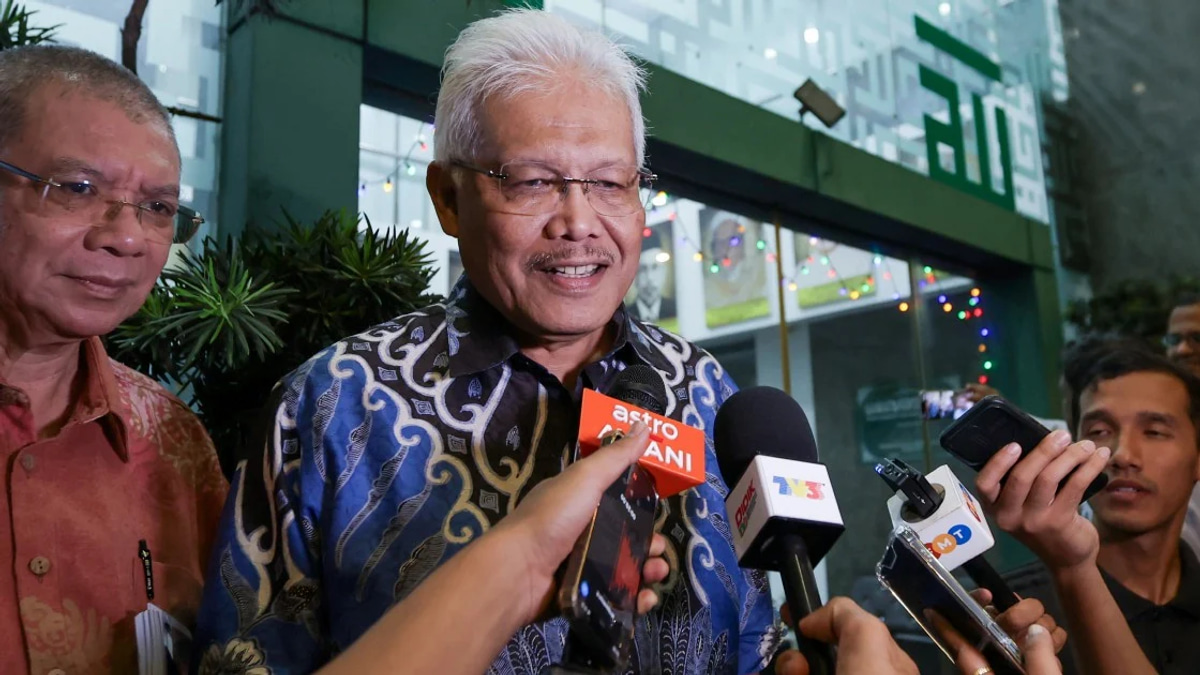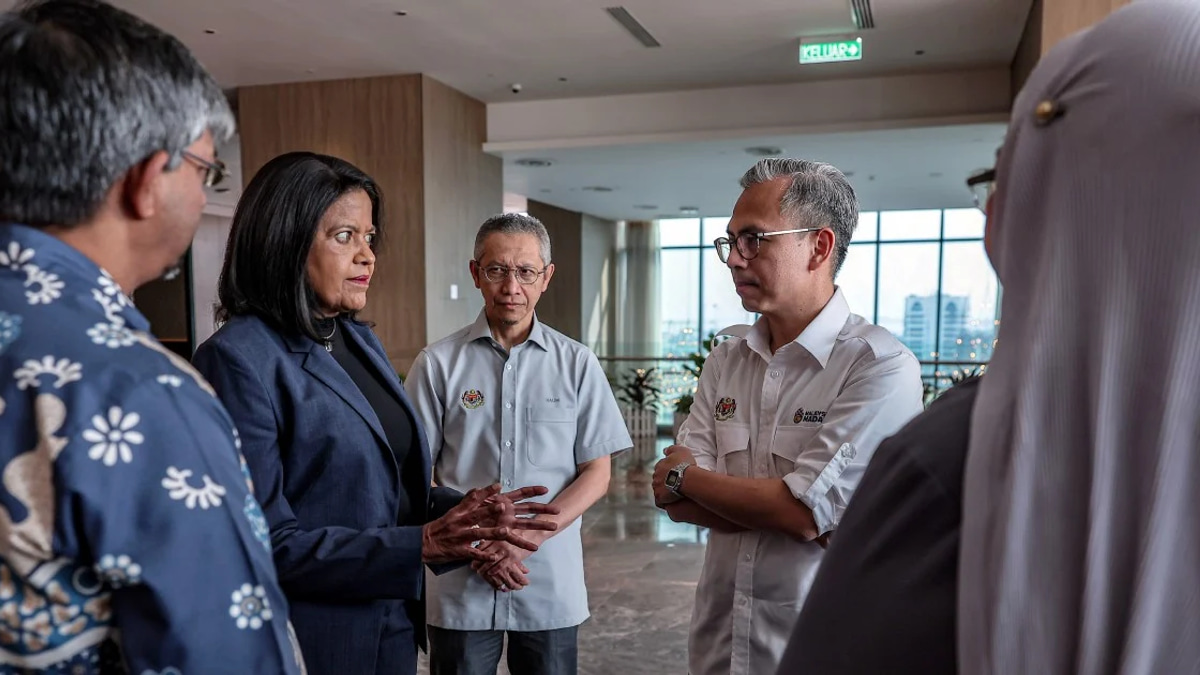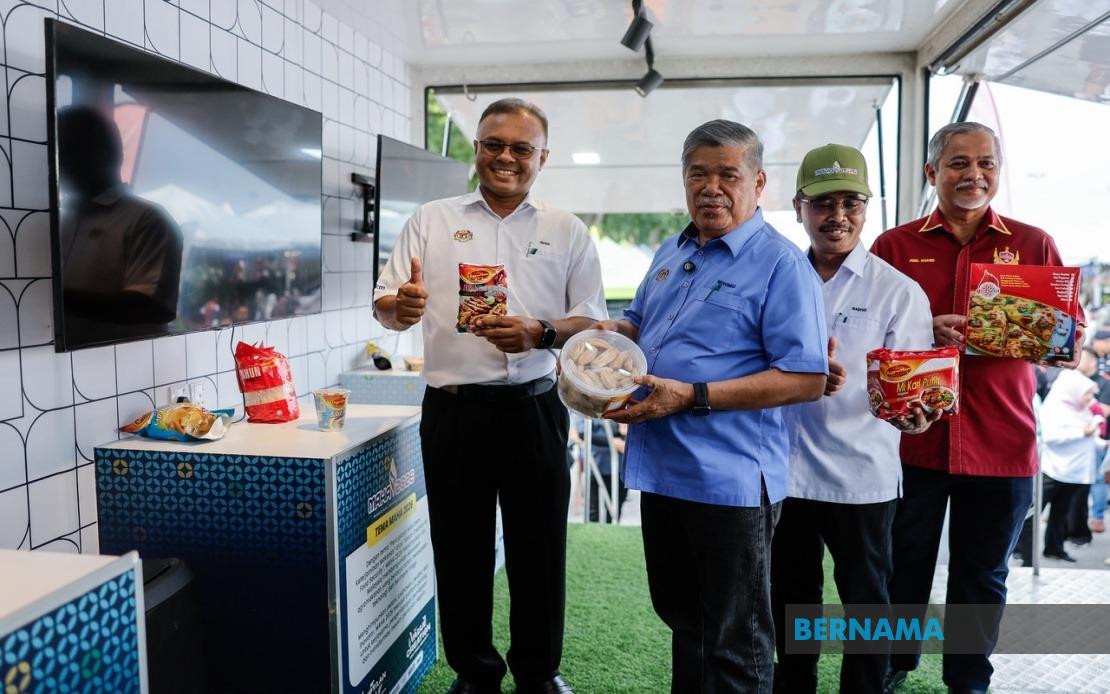
The Malaysia Agriculture, Horticulture and Agrotourism Show (MAHA) 2026 is set to break new ground by becoming the first edition to welcome international exhibitors, representing a significant evolution for the biennial showcase of agricultural innovation and rural enterprise. Agriculture and Food Security Minister Datuk Seri Mohamad Sabu unveiled the development at a press conference in Shah Alam on June 20, highlighting that confirmed participants include Brazil, China, the United States, Japan, South Korea, Hungary, and China's Guangxi region, with Uzbekistan also signalling its intent to join. This expansion signals Malaysia's growing recognition of agriculture's interconnected nature in an increasingly complex global food system.
The decision to internationalise MAHA reflects a strategic shift in how Malaysia positions itself within regional and global agricultural markets. Minister Mohamad articulated a philosophy that transcends national borders, observing that food security cannot be achieved by any single nation working in isolation. When natural disasters, disease outbreaks, or supply chain disruptions strike one country, neighbouring and trading partners invariably feel the impact, creating an imperative for nations to collaborate, share expertise, and develop complementary relationships. This worldview underpins the ministry's approach to strengthening Malaysia's resilience by learning from international best practices and establishing meaningful connections with agricultural powerhouses.
For Malaysian agricultural entrepreneurs and small-scale farmers, the presence of foreign exhibitors at MAHA 2026 represents a rare opportunity to access cutting-edge technologies and methodologies without extensive international travel. Datuk Isham Ishak, secretary-general of the Agriculture and Food Security Ministry, explained that the international participation will enable local participants to remain updated on the latest innovations in agricultural science and farm management practices. This knowledge transfer mechanism is particularly valuable for Malaysia's agricultural sector, which faces ongoing pressures related to climate change, water scarcity, and the need to increase productivity on limited arable land while maintaining sustainability standards.
The structural design of MAHA 2026 incorporates dedicated business matching sessions that will facilitate direct commercial interactions between Malaysian and international participants. These sessions create formal platforms for buying and selling discussions, enabling local agribusinesses to explore export opportunities while simultaneously sourcing new products, services, and technologies from foreign suppliers. For Malaysia's agricultural sector, which has been gradually expanding its export base to premium markets in East Asia and the Middle East, such direct engagement with established agricultural economies offers tangible pathways to supply chain integration and market access development. Farmers and agribusiness owners gain first-hand knowledge of international quality standards, packaging requirements, and certification processes essential for successful export ventures.
Visitors to MAHA 2026 will encounter a substantially enriched experience compared to previous editions. The presence of international exhibitors transforms the event from a primarily domestic showcase into a regional hub for agricultural discourse and commercial activity. Rural communities, agricultural students, government officials, and entrepreneurs will have unprecedented exposure to global best practices, emerging agricultural trends, and innovative farm-to-table solutions. This democratisation of access to international agricultural knowledge carries particular significance for smallholder farmers in rural Malaysia who may lack resources to attend overseas trade shows or agricultural conferences.
The timing of this international expansion coincides with the government's broader commitment to enhancing Malaysia's food security infrastructure. Minister Mohamad simultaneously launched the Surveillance and Intervention Supply Demand Agrofood (SISDA), a sophisticated digital monitoring system designed to address vulnerabilities in Malaysia's food supply chain. SISDA harnesses big data analytics and machine learning capabilities to generate early warnings regarding supply shortages, price volatility, and demand fluctuations across the agrofood sector. By integrating real-time data from production through to consumer markets, the system enables government agencies and private sector participants to implement targeted interventions that stabilise prices for consumers while protecting farmer incomes.
The SISDA platform represents a complementary initiative to MAHA 2026's internationalisation agenda. While the agricultural show facilitates knowledge transfer and business partnerships through direct human interaction, SISDA provides the technological infrastructure for informed decision-making across Malaysia's agricultural value chain. Together, these initiatives address different but interconnected challenges: one emphasises capability development and market access through international engagement, while the other focuses on domestic supply chain resilience through advanced analytics. For Malaysian agricultural policymakers, this dual-track approach acknowledges that sustainable food security requires both openness to international best practices and robust domestic monitoring capabilities.
The involvement of major agricultural producers like Brazil, the United States, and China in MAHA 2026 signals recognition of Malaysia's importance as a market and potential collaborator in agriculture. Brazil brings expertise in large-scale commodity production and tropical agriculture; the United States contributes advanced mechanisation and biotechnology knowledge; China provides experience in intensive farming systems and agricultural technology innovation. Each country's participation reflects distinct agricultural models adapted to different geographic and climatic contexts, offering Malaysian farmers a curated selection of approaches they might adapt to local conditions. Hungary's presence, meanwhile, suggests European agricultural practices and organic farming methodologies may also feature prominently.
For Malaysia's agricultural sector, the inclusion of Guangxi region specifically—alongside broader Chinese participation—reflects the economic reality of cross-border agricultural trade in Southeast Asia. Guangxi maintains particularly active agricultural commerce with neighbouring countries and possesses expertise in tropical crop cultivation relevant to Malaysia's environment. The separate highlighting of Guangxi demonstrates recognition of regional agricultural networks that sometimes operate independently from national frameworks, adding another layer of complexity and opportunity to MAHA 2026's international engagement structure.
The first-time inclusion of foreign exhibitors at MAHA 2026 carries implications extending beyond the immediate agricultural sector. For Malaysia's broader economic development objectives, the event signals an attempt to position the nation as a serious player in Asian agricultural innovation ecosystems. By hosting international agricultural specialists and facilitating their interaction with domestic stakeholders, Malaysia creates spillover benefits in related sectors including agrotourism, agricultural biotechnology, food processing, and rural logistics. The event's title itself—incorporating "Agrotourism"—recognises that modern agricultural development increasingly encompasses direct-to-consumer experiences, farm-based hospitality, and experiential marketing, all of which can generate supplementary income for rural communities.
From a regional perspective, MAHA 2026's internationalisation contributes to strengthening ASEAN's collective agricultural capability. When Malaysia successfully facilitates knowledge and technology transfer with global agricultural leaders, neighbouring ASEAN countries benefit indirectly through demonstration effects and cross-border spillovers. Agricultural innovations proven at MAHA 2026 may subsequently be adapted throughout Southeast Asia, enhancing the region's food production capacity and resilience against external supply shocks. This regional spillover effect underscores why agriculture, despite being a relatively small component of Malaysia's gross domestic product, commands significant government attention and substantial public investment in infrastructure and capability development.
Looking ahead, the success of international participation at MAHA 2026 may establish a precedent for subsequent editions. If the inaugural foreign exhibitor cohort generates meaningful business outcomes, knowledge transfer achievements, and visitor engagement, the ministry may expand the geographic scope and number of participating countries in future years. This could position MAHA as a permanent fixture in the regional agricultural calendar, comparable in significance to major international agricultural expos in Asia. For Malaysian farmers, agribusinesses, and agricultural researchers, such evolution would offer compounding benefits through deepening international networks, cumulative technology adoption, and enhanced competitive positioning in regional and global markets.