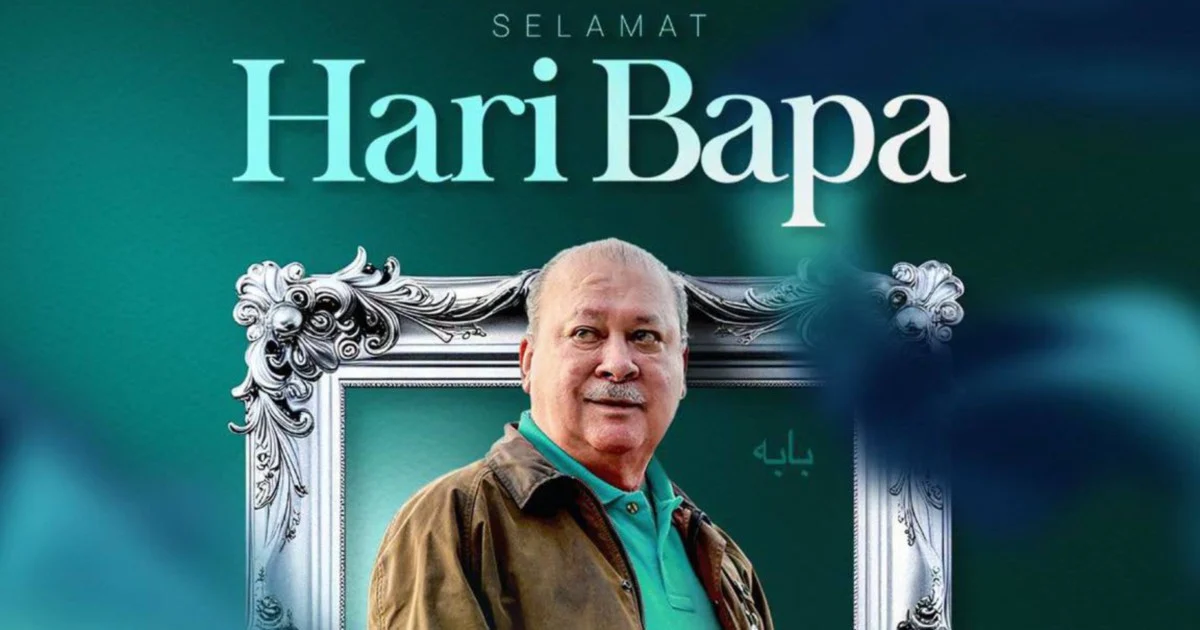
His Majesty Sultan Ibrahim, King of Malaysia, and Her Majesty Raja Zarith Sofiah, Queen of Malaysia, have extended warm Father's Day greetings to all fathers across the nation, marking the annual celebration that honours paternal contributions to family and society.
The gesture from Malaysia's royal household reflects the continuing tradition of the monarchy engaging with national occasions and cultural observances that resonate with citizens. Father's Day, observed internationally on the third Sunday of June in most Western nations and at varying times across Asian countries, serves as a moment for families to recognise and appreciate the roles fathers play in shaping households and communities.
In Malaysia, where family values hold substantial cultural significance across the diverse Muslim, Hindu, Christian, Buddhist, and other faith communities, such royal acknowledgements carry particular weight. The monarchy's participation in observing family-focused celebrations underscores the institution's alignment with national values and its commitment to recognising the bonds that hold Malaysian society together.
The timing of the royal message demonstrates the palace's awareness of contemporary social occasions and its desire to connect with ordinary Malaysians beyond formal state functions. By extending such greetings, the King and Queen engage in what has become an important aspect of modern monarchical duty: maintaining visible, personal connections with the people they serve through recognition of significant cultural moments.
Fathers across Malaysia's diverse landscape—whether working in urban centres, rural communities, or managing family enterprises—represent a broad demographic that the nation's leadership seeks to acknowledge. The greeting extends beyond ceremonial significance to touch upon the everyday experiences of paternity, from breadwinning responsibilities to the emerging emphasis on engaged fatherhood and hands-on parenting in contemporary Malaysian households.
This expression of goodwill also reflects evolving conversations within Malaysian society about the role of fathers in modern family structures. While traditional models of paternity remain influential, contemporary discourse increasingly emphasises emotional availability, active child-rearing participation, and balanced family relationships. The royal greeting thus aligns with these shifting social expectations and values.
For many Malaysian fathers, particularly those engaged in demanding professional lives or managing economic pressures, such institutional recognition provides a moment of validation. The acknowledgement from the highest office in the land affirms that fatherhood itself—in its various forms and circumstances—constitutes an honourable and valued contribution to national life.
The palace's messaging during cultural observances also serves broader diplomatic and social cohesion purposes. By embracing Father's Day celebrations, Malaysia's monarchy demonstrates cultural openness and an inclusive understanding of occasions that have become globally significant, while adapting them to local contexts where extended family networks and multi-generational households often define the experience of fatherhood differently from Western models.
Looking forward, such royal gestures during family-centered celebrations are likely to continue forming part of the monarchy's public engagement strategy, particularly as digital communication platforms enable more frequent and accessible expressions of official sentiment. For Malaysian fathers, the message from their sovereign represents not merely ceremonial acknowledgement but a reflection of national values that position fatherhood as central to social stability and community development.

%22%2F%3E%3C%2Fpattern%3E%3C%2Fdefs%3E%3Crect%20width%3D%22100%25%22%20height%3D%22100%25%22%20fill%3D%22url(%23ph3u4gug)%22%2F%3E%3Crect%20width%3D%22100%25%22%20height%3D%22100%25%22%20fill%3D%22url(%23ph3u4gup)%22%2F%3E%3Ctext%20x%3D%2250%25%22%20y%3D%2250%25%22%20text-anchor%3D%22middle%22%20dominant-baseline%3D%22central%22%20fill%3D%22rgba(255%2C255%2C255%2C0.95)%22%20font-family%3D%22Georgia%2C%20'Times%20New%20Roman'%2C%20serif%22%20font-weight%3D%22700%22%20font-size%3D%22151%22%20letter-spacing%3D%22-0.02em%22%3ESoutheast%3C%2Ftext%3E%3C%2Fsvg%3E)
%22%2F%3E%3C%2Fpattern%3E%3C%2Fdefs%3E%3Crect%20width%3D%22100%25%22%20height%3D%22100%25%22%20fill%3D%22url(%23ph2dmw0g)%22%2F%3E%3Crect%20width%3D%22100%25%22%20height%3D%22100%25%22%20fill%3D%22url(%23ph2dmw0p)%22%2F%3E%3Ctext%20x%3D%2250%25%22%20y%3D%2250%25%22%20text-anchor%3D%22middle%22%20dominant-baseline%3D%22central%22%20fill%3D%22rgba(255%2C255%2C255%2C0.95)%22%20font-family%3D%22Georgia%2C%20'Times%20New%20Roman'%2C%20serif%22%20font-weight%3D%22700%22%20font-size%3D%22136%22%20letter-spacing%3D%22-0.02em%22%3EBangladesh%3C%2Ftext%3E%3C%2Fsvg%3E)