The Gua Musang District Council (MDGM) is pursuing an ambitious development plan for Bandar Lama, targeting an allocation of nearly RM1 million to transform the historic area into a significant tourism draw for the district. The initiative reflects growing recognition of the locality's untapped potential as a regional attraction, with local leadership positioning heritage tourism as a pathway to economic revitalisation in this corner of Kelantan.
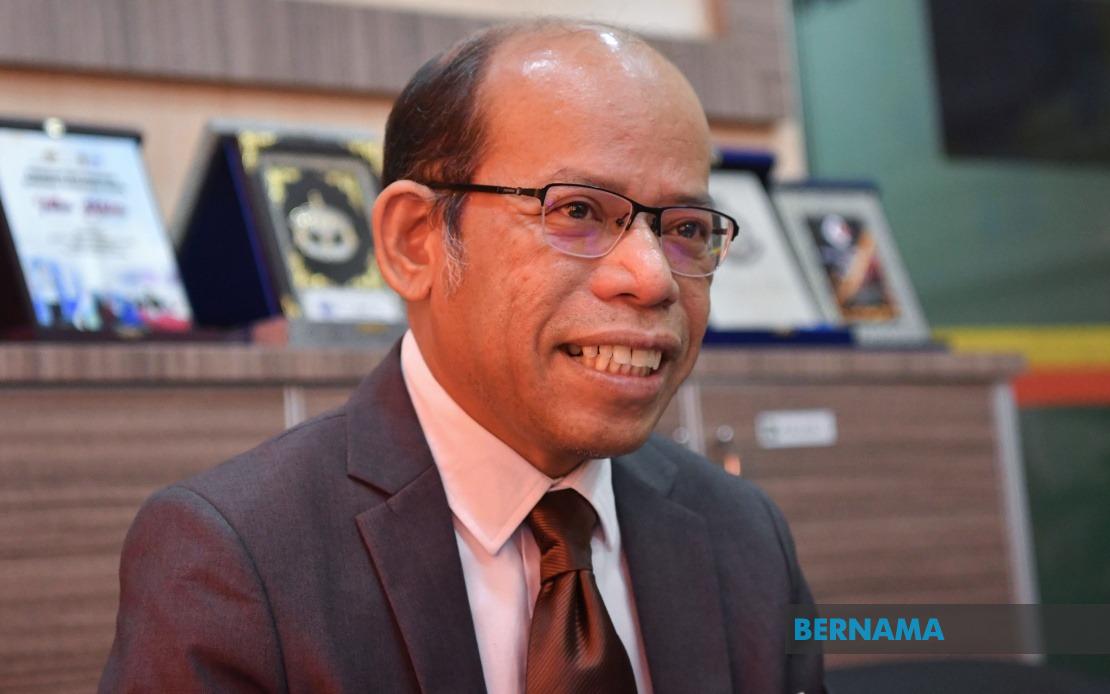
Mohd Roshdi Ismail, the council president, outlined the vision to reporters, emphasising that the funds would be directed toward restoring and reimagining strategically important sites within Bandar Lama. His remarks suggest a careful assessment of which locations merit priority investment, reflecting a targeted rather than scattergun approach to tourism infrastructure development.
The appeal for funding hinges on Bandar Lama's distinctive character. Nestled among hills and blessed with natural geographical features, the area possesses considerable historical layering. The presence of limestone caves adds a natural history dimension, while various sites bear witness to pivotal chapters in Malaysia's 20th-century past. This convergence of natural and historical appeal distinguishes the locality from more generic development zones.
Among the landmarks identified for enhancement is the old railway station positioned at the foothills. This structure carries deep historical resonance, intrinsically linked to the nation's experience during the communist insurgency period. Such sites, when properly interpreted and presented, can attract visitors seeking to understand Malaysia's complex modern history. The railway station represents not merely a building, but a tangible connection to events that shaped the nation.
Equally significant in the development framework is the commemorative grave in the Masjid Razaleigh area, which marks the burial of a woman who was fatally shot during the communist era. This sensitive site speaks to the human costs of the country's internal security struggles. Its thoughtful presentation and preservation could serve an important educational function while honouring historical memory.
The strategic importance of such heritage-focused tourism cannot be understated for a district like Gua Musang. Many areas in Peninsular Malaysia's interior remain relatively underdeveloped from a tourism perspective, despite possessing genuine historical and natural attractions. Bandar Lama represents an opportunity to demonstrate how communities can leverage their distinctive heritage to generate economic activity without requiring massive-scale urban transformation.
Mohd Roshdi indicated that MDGM intends to work collaboratively with established agencies to refine the development roadmap and source the necessary funds. The involvement of Majlis Amanah Rakyat (MARA), the major government body responsible for indigenous economic empowerment, suggests that the project has potential alignment with broader national development priorities focused on supporting local communities and small enterprises.
The RM1 million figure represents a modest investment by national standards, yet would likely prove transformative at the district level. Such funding could facilitate basic infrastructure improvements, interpretive signage, improved accessibility to heritage sites, and modest visitor facilities. These foundational enhancements often yield disproportionate returns by making historical sites more legible and welcoming to tourists.
The project carries particular relevance for Kelantan's economic diversification efforts. The state has traditionally relied on agriculture and small-scale manufacturing, but tourism development offers avenues to add value to existing assets. Heritage tourism, in particular, attracts visitors with strong purchasing power and generates extended stays compared to simple recreational visits. Bandar Lama could serve as a component of a broader district tourism circuit.
For Malaysian tourism planners broadly, the Gua Musang initiative illustrates an emerging trend toward authenticating lesser-known heritage destinations rather than concentrating visitor investment in established hotspots. This dispersal approach promises more equitable regional development while safeguarding major attractions from over-visitation and degradation. It also reflects evolving tourist preferences, with increasing numbers seeking meaningful engagement with history and local culture.
The collaboration framework Mohd Roshdi described suggests awareness that tourism development requires multi-stakeholder cooperation. Local council leadership alone cannot deliver such projects; partnering with state and federal agencies, as well as potentially private sector entities, multiplies available resources and expertise. This recognition of interdependence reflects more sophisticated thinking about regional development.
Looking forward, the success of this initiative will depend on execution quality. Heritage tourism can either enhance community pride and generate sustainable income, or alternatively become superficial and extractive if poorly managed. The calibre of site interpretation, community involvement in decision-making, and benefit-sharing arrangements will determine whether Bandar Lama realises its potential or becomes another underfunded tourism footnote.
The pursuit of this RM1 million allocation represents more than a straightforward infrastructure request. It embodies a strategic choice by Gua Musang's leadership to invest in identity and heritage as economic assets. Whether policymakers at state and federal levels prove receptive to this vision will signal broader policy commitment to inclusive tourism development that reaches beyond Malaysia's established tourism corridors.

