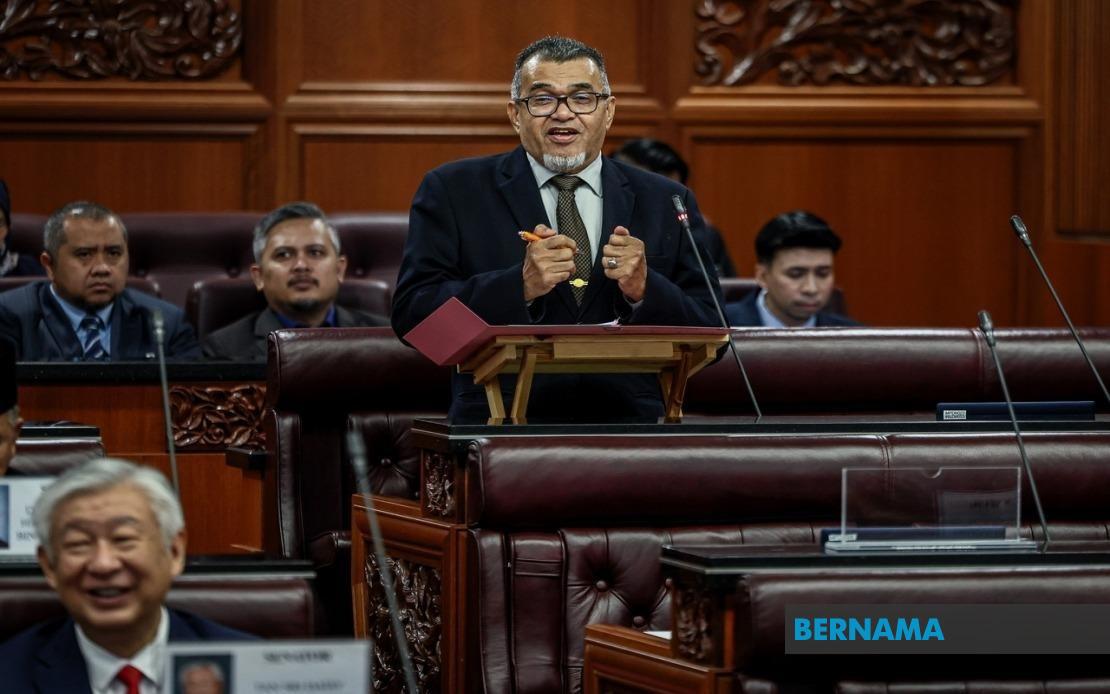
The Malaysian government is moving to tighten penalties against railway cable theft by proposing an amendment to transport laws that would dramatically increase fines from the existing RM1,000 to as much as RM100,000 per offence. Deputy Transport Minister Datuk Hasbi Habibollah revealed the proposal during a parliamentary question-and-answer session, indicating the legislation is expected to be presented to the Dewan Negara during the next parliamentary sitting, potentially by year-end.
The urgency of strengthening legal deterrents reflects the severe impact cable theft has inflicted on Malaysia's rail infrastructure and operations. Current penalties, Hasbi argued, bear no relation to the substantial damage and operational disruptions that train operators must absorb. The financial toll has been staggering across the national rail network, with cumulative losses reaching RM50 million across Keretapi Tanah Melayu Berhad, Prasarana Malaysia Berhad, and the East Coast Rail Link project—a figure that underscores the scale of an escalating criminal problem.
The ECRL project alone has suffered significantly during its construction phase. A total of 71 cable theft incidents along the alignment have resulted in losses estimated at RM4.06 million, while an additional 13 cases involving theft and damage to equipment and materials have cost a further RM0.69 million. Although the ECRL has not yet commenced passenger operations, these incidents threaten to derail the project's carefully coordinated timeline for installation, testing, commissioning, and operational readiness. The ripple effects of such disruptions extend beyond financial loss, potentially delaying Malaysia's connectivity ambitions and infrastructure development schedule.
The proliferation of cable theft incidents reveals vulnerabilities in the current enforcement and deterrence framework. When penalties are perceived as minor relative to the black-market value of stolen materials, criminals face little incentive to avoid these crimes. The 100-fold increase in proposed fines—from RM1,000 to RM100,000—represents a significant recalibration intended to shift that calculus. However, legislative amendments alone cannot address the problem comprehensively; they must be coupled with effective detection, prosecution, and conviction mechanisms that remain variable across Malaysia's judicial system.
Beyond legislative reform, the government has launched a multi-pronged security strategy to harden railway infrastructure against theft. A substantial investment in surveillance technology is underway, with 1,146 closed-circuit television cameras being installed along the rail line stretching from Johor to northern Malaysia. This extensive CCTV network represents an attempt to create continuous visual documentation that can aid detection, investigation, and prosecution. The scale of this deployment underscores official recognition that prevention through observation may prove more cost-effective than responding to incidents after they occur.
Ground-level security operations are also being enhanced through human and canine resources. KTMB has procured 20 scrambler motorcycles to support Auxiliary Police patrols operating on a round-the-clock basis, enabling more flexible and rapid responses to suspicious activity along railway corridors. Complementing these mobile patrols, physical security measures including sealed high-security manholes and deployment of sniffer dogs represent a layered approach to access control. Such measures raise the operational complexity for would-be thieves, potentially deterring opportunistic criminal activity while slowing the work of organised theft rings.
For Malaysian commuters and businesses dependent on rail transport, these security enhancements and legal reforms carry tangible implications. Service disruptions caused by cable theft have repeatedly frustrated passengers and compromised the reliability that modern public transport systems must provide to compete with private vehicles. The cumulative effect of repeated incidents erodes public confidence in rail operators' ability to deliver consistent, dependable service. By addressing the root cause—the incentive and opportunity for cable theft—the government aims to restore operational stability that benefits the entire travelling public.
The broader Southeast Asian context illuminates why Malaysia's approach matters. Railway infrastructure across the region faces similar vulnerabilities to cable theft, driven by the high scrap value of copper and other materials in global commodity markets. As countries in the region invest heavily in rail connectivity and modernisation projects, they confront the same security challenges Malaysia is now tackling. The legal and operational responses developed in Malaysia may serve as a model or cautionary tale for neighbouring countries wrestling with comparable problems.
Implementation will be critical to the success of these measures. Proposed legislation requires parliamentary approval and subsequent enforcement through police and judicial processes. Court systems must prove capable of processing theft cases efficiently and consistently applying the new penalties; otherwise, legislation becomes merely symbolic. Additionally, the effectiveness of surveillance and patrol operations depends on adequate training, accountability, and resource allocation—elements that sometimes prove inconsistent in practice despite government announcements.
Looking ahead, sustained focus will be necessary to combat cable theft comprehensively. The problem reflects broader challenges in securing valuable infrastructure in environments where poverty, limited economic opportunity, and access to black markets create conditions favouring opportunistic crime. While deterrence through enhanced penalties and surveillance serves an essential function, long-term solutions may require complementary initiatives addressing underlying socioeconomic drivers of theft in communities adjacent to railway corridors. The government's current initiative represents a necessary step, yet the ultimate test lies in whether these measures translate into measurable reductions in incident frequency and losses sustained by rail operators.

