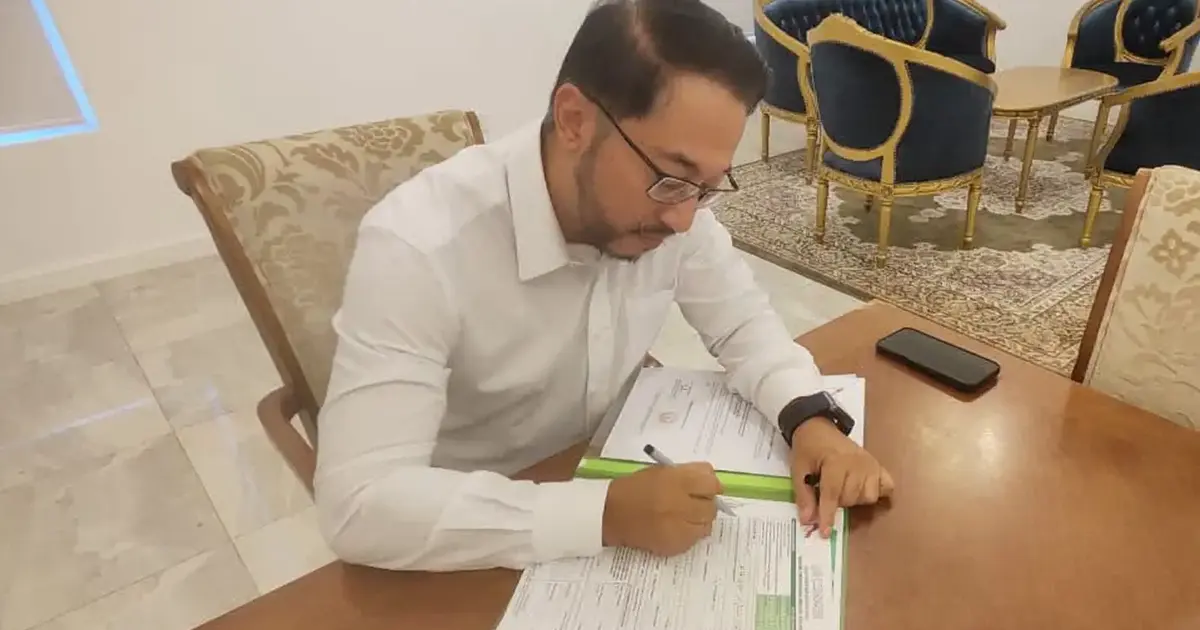
In a significant political realignment within Malaysia's Malay-Muslim political landscape, Isham Jalil, a former member of Umno's Supreme Council, has submitted an application to join PAS. The move represents another defection from the country's oldest party and underscores deepening fractures within Umno as it grapples with internal upheaval and public dissatisfaction. Isham's application reflects broader discontent among senior party members with the direction and governance standards of the organisation that has dominated Malaysian politics for decades.
Isham justified his transition by highlighting what he describes as PAS's commitment to clean governance and organisational integrity. In his public statement regarding the application, the veteran politician emphasised that the Islamic party represents a political environment free from the corruption scandals that have plagued Umno in recent years. This characterisation carries particular resonance given the string of high-profile graft cases, internal power struggles, and loss of public confidence that have marked Umno's trajectory since 2018. For Isham and like-minded senior figures, PAS appears to offer a vehicle for continued political engagement without the reputational baggage of their former party.
The defection holds significance beyond the individual case. Umno, which governed Malaysia for 61 consecutive years before 2018 and still maintains substantial parliamentary representation and state-level influence, has increasingly become a destination for departing members rather than a source of advancement. The exodus reflects not merely personal ambition but a structural challenge facing the party as it attempts to rehabilitate its image while managing competing factional interests. Multiple party figures have explored alternative political platforms in recent years, with some seeking fresh starts in different organisations.
PAS, meanwhile, has consolidated its position as a credible alternative within Malaysia's Islamic and Malay political space. The party has strengthened its parliamentary representation and expanded its footprint in state assemblies, particularly in the Klang Valley and other formerly Umno-dominated regions. Its governance record in states where it holds power has attracted scrutiny both supportive and critical, but the party's portrayal of itself as corruption-resistant aligns with broader voter sentiment against graft and mismanagement. For defectors like Isham, the party offers not just ideological alignment but also the practical benefit of joining a political organisation that polling and electoral trends suggest possesses growing momentum.
The timing of Isham's application arrives amid continuing turbulence within Umno's leadership structures and its coalition arrangements. The party remains divided between factions loyal to different senior figures, each promoting competing visions for the party's future and its role within broader coalition politics. These internal divisions have complicated Umno's ability to present a unified message to voters or to retain members who become frustrated with the party's direction. For someone of Isham's seniority and experience, the prospect of operating within PAS's more cohesive organisational framework may represent an attractive alternative to navigating Umno's factional complexities.
Historically, transitions between Malaysia's major Malay-Muslim parties have occurred at various intensity levels. However, the current pattern of Umno members moving toward PAS differs somewhat from previous cycles. Rather than representing tactical repositioning within a relatively stable political system, these shifts reflect fundamental questions about which party can credibly claim the moral and organisational high ground in Malaysian politics. The corruption narrative carries particular weight in this context, as widespread public frustration with perceived graft across the political establishment has created openings for parties that can convincingly position themselves as reform-minded.
Isham's background as a Supreme Council member means his departure carries more weight than routine party-hopping by lower-ranking figures. The Supreme Council represents Umno's highest decision-making body, and individuals who have served at this level typically possess deep connections within the party apparatus. Their decision to leave signals disillusionment not just with current leadership but potentially with the organisation's foundational direction and values. This distinction matters because it suggests that Umno's challenges in member retention extend to its institutional core rather than being limited to peripheral complaints.
For PAS, the recruitment of experienced figures from Umno carries both advantages and complications. On one hand, individuals like Isham bring legislative experience, political networks, and institutional knowledge that strengthen the party's capacity to govern and compete. On the other hand, incoming members from rival organisations occasionally bring factional baggage or expectations that can generate internal friction. The party's ability to integrate defectors seamlessly while maintaining the cohesion that currently distinguishes it from Umno will test its organisational maturity and leadership quality.
The broader implications for Malaysia's political trajectory deserve consideration. The realignment between Umno and PAS, with movement flowing predominantly in PAS's direction, could reshape electoral calculations in key constituencies and states. If this pattern accelerates, the political map of Peninsular Malaysia could shift more substantially than recent elections might suggest. Regional parties in states like Selangor, Perak, and Johor could find their political significance altered as the competition between major Malay-Muslim parties intensifies. Additionally, this dynamic affects federal-level coalition arithmetic and the stability of any government that depends on careful management of intra-coalition relationships.
Isham's application thus represents more than a personal career decision. It exemplifies structural pressures reshaping Malaysia's dominant political organisations and the voter preferences driving them. As Umno continues losing members and prestige to rivals perceived as more ethically grounded, the party faces a challenge that transcends personnel or tactical adjustments. Whether Umno can reverse this trajectory through credible reforms or organisational renewal remains uncertain, but Isham Jalil's decision to seek a political fresh start with PAS reflects the scale of that challenge.

