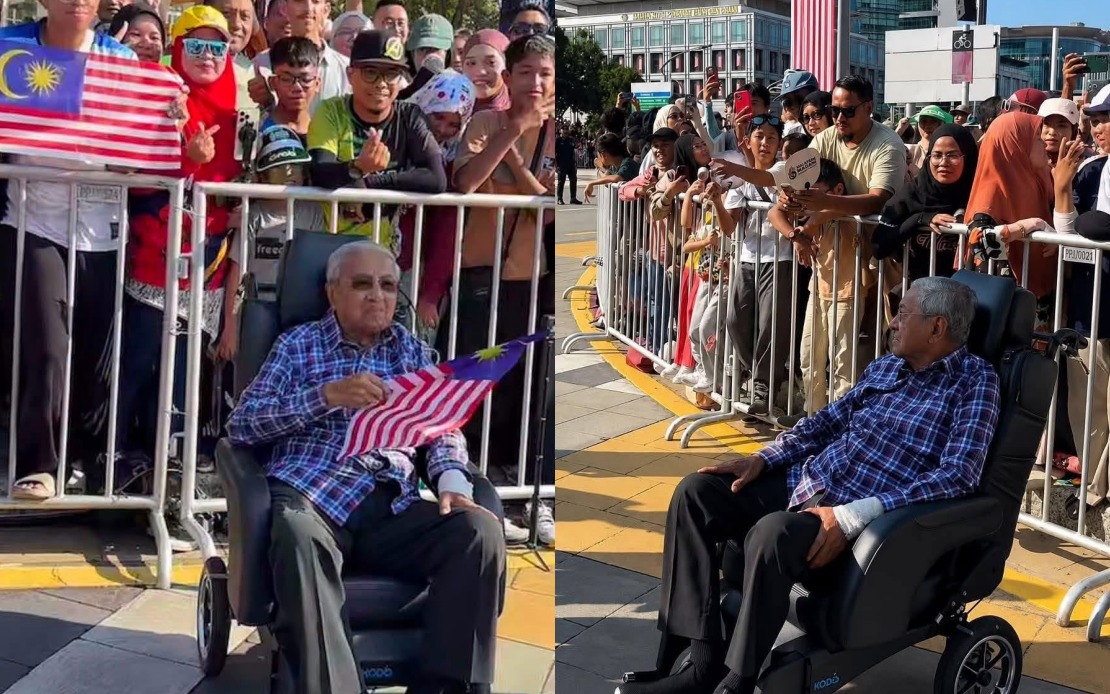
The practice of inviting former prime ministers to Malaysia's National Day celebrations operates on a case-by-case basis rather than as an automatic privilege, the National Day Celebration 2026 Secretariat confirmed on Saturday. The clarification came after public attention focused on former Prime Minister Tun Dr Mahathir Mohamad's participation at this year's celebration held at Dataran Putrajaya, raising questions about the protocols governing attendance by former heads of government at the nation's marquee state events.
According to Datuk Abdul Halim Hamzah, chairman of the 2026 National Day and Malaysia Day Celebration Working Committee and secretary-general of the Communications Ministry, the procedures governing access to major federal government occasions fall under the purview of the Prime Minister's Department. Specifically, the Protocol and International Conference Secretariat Division (BIUPA) manages the invitation process and establishes the criteria by which attendees are selected or excluded from such high-profile state functions.
The secretariat emphasized that since 2018, no blanket entitlement exists whereby any former occupant of the prime ministerial office receives an invitation by default. This represents a deliberate shift from whatever protocols may have existed previously, establishing clearer boundaries around the privileges extended to those who have left the highest office in the land. The change reflects evolving thinking about how government manages ceremonial occasions and the role of former leaders within the state's official calendar.
However, the policy does not completely exclude former prime ministers from attending National Day functions. Instead, it creates a transparent mechanism whereby former leaders wishing to participate may formally apply for attendance. Such applications are then evaluated by the appropriate authorities according to established procedures and administrative guidelines. This approach balances recognition of former leaders' historical significance with the government's need to maintain orderly management of major state events and control over the composition of official gatherings.
In the specific instance that prompted the clarification, Dr Mahathir had submitted an application through proper channels. The Prime Minister's Office had received a separate request from him relating to the Overseas Rest Facility, indicating that he would be traveling abroad during the period from August 28 to 31, 2026. Prime Minister Datuk Seri Anwar Ibrahim approved this application in accordance with the provisions governing the remuneration and benefits of former prime ministers as outlined in the Members of Parliament (Remuneration) Act 1980.
The Overseas Rest Facility represents one of several benefits available to former prime ministers under Malaysian law, recognizing their past service to the nation. These provisions have been embedded in the legal framework for decades, ensuring that individuals who have held the highest office receive certain considerations during their post-prime ministerial years. The approval of Dr Mahathir's application demonstrates that the current administration continues to honor these statutory entitlements regardless of any political differences that may exist between the former and current leadership.
The distinction between automatic entitlement and discretionary approval carries particular significance in Malaysian politics, where the relationship between sitting and former prime ministers has occasionally generated public interest and speculation. By establishing and clarifying formal procedures, the government aims to depoliticize what might otherwise become a matter of ongoing public commentary. The 2018 date marking the shift in practice is notable, as this was the year following the 2018 general election that brought significant political realignment.
For regional observers and students of Malaysian governance, the clarification reflects broader trends in how post-authoritarian democracies manage transitions of power and the ceremonial role of former leaders. Establishing clearer protocols reduces opportunities for discretionary decisions that could appear politically motivated, while still preserving government flexibility in managing state occasions. This approach echoes practices in other Commonwealth democracies, where former heads of government typically maintain honored status without possessing automatic access to all state functions.
The statement from the secretariat also serves to manage expectations among other former prime ministers and the broader public regarding National Day participation going forward. As Malaysia continues to accumulate former prime ministers—a relatively recent phenomenon in the nation's history—having transparent guidelines becomes increasingly important for ensuring smooth administration of major state events. The clarification thus represents not merely a response to one individual's attendance but a broader affirmation of institutional procedures that will govern future occasions.

