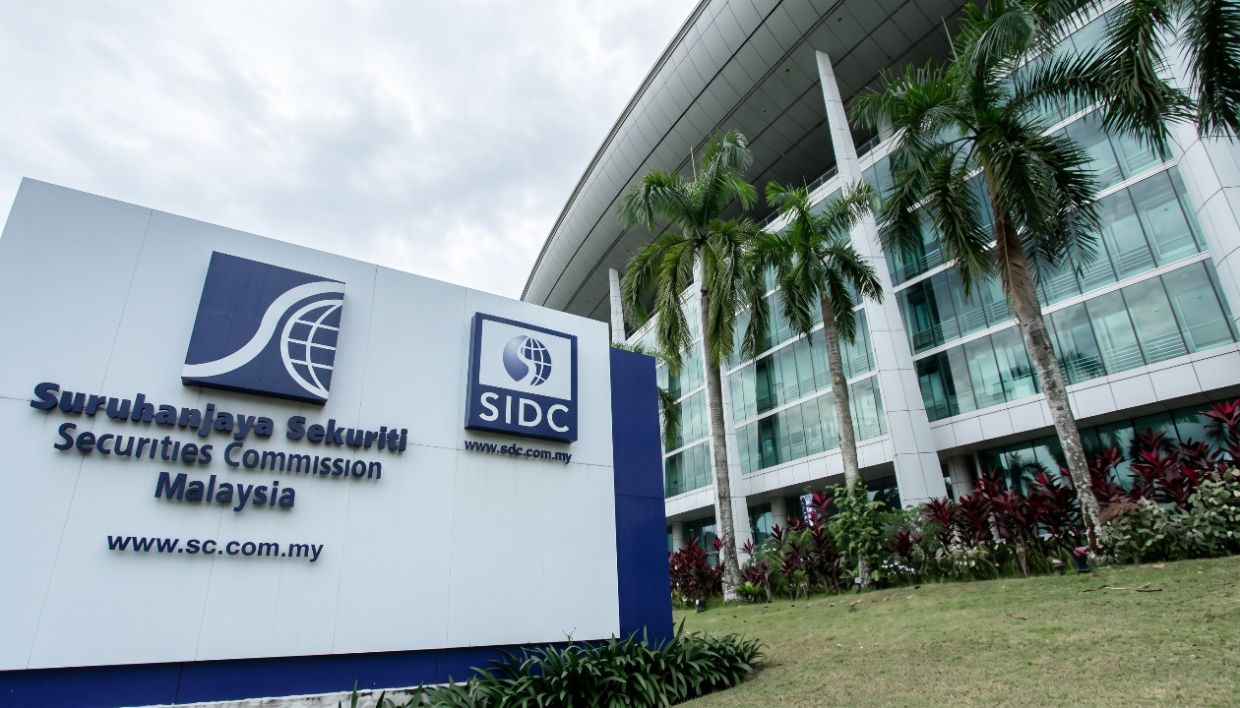
The Kuala Lumpur Sessions Court has handed down a three-year prison sentence to Mohd Arif Fadzlee Mohd Arifin, a former bank analyst, after convicting him of engaging in unlicensed regulated financial activities and misrepresenting himself as a certified Unit Trust Consultant. The conviction underscores ongoing regulatory enforcement against individuals operating in Malaysia's capital markets without proper licensing, a persistent compliance challenge across Southeast Asia's financial sector.
The Securities Commission Malaysia (SC) brought dual charges against Mohd Arif in January 2024 under the Capital Markets and Services Act 2007 (CMSA), alleging violations that dated back over a decade. The first charge, lodged under section 59(1), accused him of falsely claiming affiliation with CIMB Wealth Advisors Berhad while performing securities dealing activities without holding a valid Capital Markets Services Representative's Licence (CMSRL). Dealing in securities constitutes a regulated activity under Schedule 2 of the CMSA, meaning practitioners must obtain explicit SC authorization before engaging clients or executing transactions.
The second charge, filed under section 362(3), addressed Mohd Arif's unauthorized use of the Unit Trust Consultant designation. The SC argued that his deployment of this title conveyed a false impression of regulatory approval, misleading clients and prospective investors about his credentials and competency. This type of credential misrepresentation has become an increasingly common tactic in unauthorized financial promotion, particularly in jurisdictions where enforcement capacity remains constrained or historical record-keeping proves difficult.
Investigations revealed that Mohd Arif's illicit activities spanned multiple locations and occurred in 2011, with specific incidents documented in Petaling Jaya and Nilai. The temporal distance between the offences and formal charges—spanning approximately thirteen years—reflects the sometimes protracted timescales involved in complex financial crime investigations, particularly when evidence gathering requires cross-referencing client records and establishing victim testimony. He was released on bail of RM60,000 pending trial proceedings.
During the trial phase, the prosecution marshalled ten witnesses to substantiate its case, including two individuals who had directly suffered financial harm from his unauthorized activities. This victim participation proved instrumental in establishing the practical consequences of his misconduct. After the prosecution closed its case, the Sessions Court judge determined on February 27, 2026 that sufficient evidence existed to warrant Mohd Arif mounting a defence on both counts. He chose to testify personally in his defence but called no corroborating witnesses to support his version of events.
In reaching its verdict, the court found that Mohd Arif failed to introduce credible evidence capable of raising reasonable doubt regarding the prosecution's allegations. The judge's assessment essentially concluded that his testimony alone could not counter the documentary and witness evidence presented by the SC. This outcome reflects a common pattern in securities law enforcement, where individuals relying solely on personal denial without substantive alternative evidence face conviction.
The court imposed three years imprisonment for each charge, with both sentences running concurrently, meaning Mohd Arif will serve a single three-year term rather than six years total. While this concurrent sentencing approach is standard practice, it effectively represents a significant custodial penalty that will disrupt his personal and professional circumstances substantially. The sentence carries particular weight given that similar convictions often result in formal licensing bar recommendations, effectively ending an individual's career prospects within regulated financial services.
The CMSA prescribes substantial penalties for these categories of violation. Section 59(1) offences carry maximum fines reaching RM5 million or imprisonment periods extending to five years, or both sanctions applied together. Section 362(3) violations attract maximum fines of RM1 million coupled with imprisonment terms not exceeding five years. The court's decision to impose jail terms rather than relying solely on financial penalties reflects judicial emphasis on custodial deterrence for misrepresentation and unlicensed practice in securities activities.
This case carries particular significance for Malaysia's broader regulatory framework and investor protection architecture. The SC's prosecutorial commitment to pursuing individuals who operate without proper authorization demonstrates the regulator's determination to maintain market integrity despite resource constraints. For Malaysian investors and regional stakeholders, the conviction reinforces that unauthorized financial practitioners face legal consequences, though the thirteen-year gap between offence and sentencing highlights the investigative and procedural delays that can frustrate timely enforcement.
The case also illustrates vulnerabilities in practitioner verification systems that prospective clients should consider. Investors dealing with financial advisors should independently confirm licensing status through the SC's official registry rather than accepting credentials at face value. The fact that someone may possess banking experience or familiarity with financial products does not indicate proper regulatory standing or consumer protection coverage.
Regionally, this prosecution reflects a broader pattern across Southeast Asia of strengthening enforcement against unlicensed capital market practitioners. Regulators in Singapore, Thailand, and Indonesia have similarly intensified prosecution of unauthorized investment schemes and misrepresented credentials. As cross-border retail investment increases and fintech platforms democratize market access, maintaining clear licensing boundaries becomes strategically essential for protecting retail investors from sophisticated fraud.
Moving forward, the conviction may prompt the SC to review its public education initiatives regarding licensing verification and the dangers of engaging unauthorized practitioners. The SC has periodically issued warnings about unlicensed advisors, yet cases such as Mohd Arif's suggest continued market vulnerability. Enhanced investor awareness campaigns, coupled with technology-enabled registry verification systems, could reduce the pool of potential victims susceptible to misrepresentation schemes.
For compliance professionals and financial institutions, the case underscores the importance of robust client vetting and staff licensing verification procedures. CIMB Wealth Advisors and similar firms must implement monitoring systems to detect and prevent unauthorized representatives claiming affiliation with their brands. The reputational damage associated with such incidents, amplified by digital communication channels, now creates stronger institutional incentives for rigorous licensing compliance across entire organizational networks.

