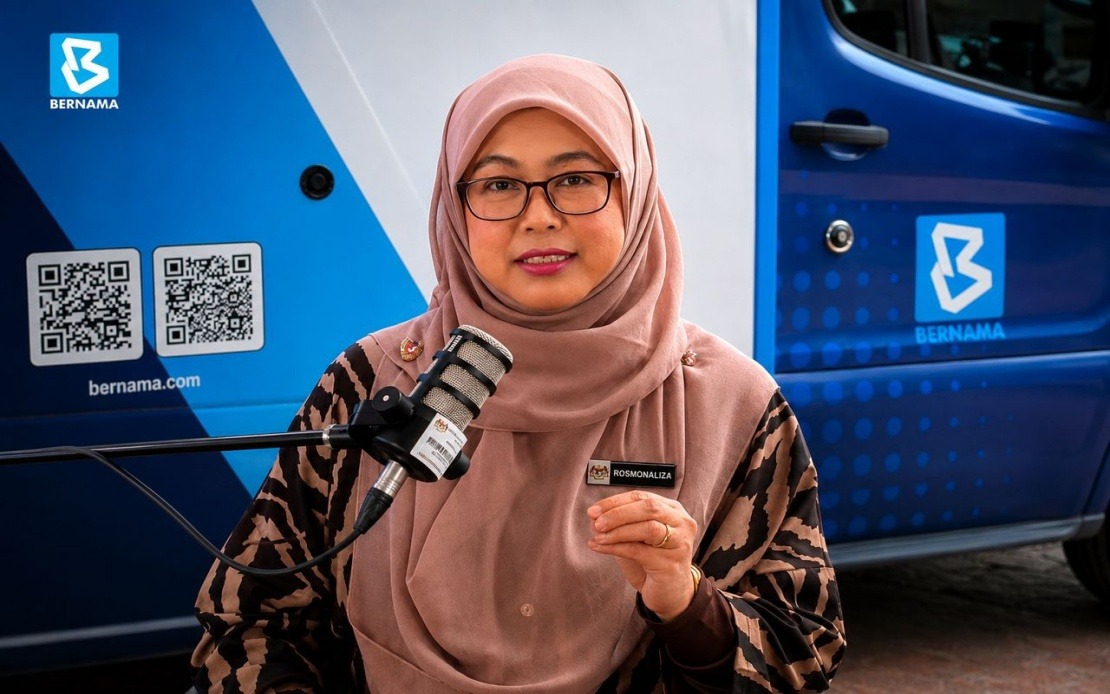
The National Population and Family Development Board (LPPKN) has issued a timely reminder that modern fatherhood demands far more than financial provision. Speaking in a recent podcast episode, the board's Family Well-being Division director Rosmonaliza Abdul Ghani highlighted how contemporary family dynamics have fundamentally reshaped what society expects from fathers. The changing pace of urban life, shifting economic pressures, and evolving family structures mean that men can no longer confine themselves to the traditional provider role if they wish to nurture emotionally secure and academically engaged children.
Rosmonaliza stressed that fathers now occupy a dual identity: they remain essential income earners, but equally vital as catalysts for building resilient family units. This reconceptualisation of paternal responsibility reflects broader global trends, though it carries particular significance in the Malaysian context, where traditional gender roles remain deeply embedded in many households. She emphasised that maintaining meaningful communication channels with children forms the bedrock of modern fathering, allowing fathers to remain psychologically connected to their offspring's development and concerns.
One encouraging sign is the growing willingness among Malaysian men to seek professional support. Rosmonaliza noted that more fathers are now attending counselling sessions—both individually and alongside their spouses and children—to address emotional, financial, and psychological challenges. This shift represents a cultural moment where masculinity is being redefined away from stoicism and self-reliance toward vulnerability and help-seeking as signs of strength rather than weakness. LPPKN has responded by expanding its suite of support services, offering counselling, therapeutic interventions, and personality assessments tailored specifically for fathers navigating contemporary pressures.
The board has intentionally created non-judgmental spaces where men feel comfortable disclosing struggles, recognising that fathers often internalise their problems rather than articulating them. This approach addresses a critical gap: many fathers silently battle financial stress, occupational anxiety, or mental health concerns while their families remain unaware of the internal toll. By normalising professional help-seeking among men, LPPKN contributes to breaking the stigma that has traditionally prevented Malaysian fathers from accessing mental health resources.
Beyond institutional support, the podcast also featured perspectives from community workers engaged with marginalised populations. These practitioners highlighted a troubling reality: the absence of engaged fathers correlates strongly with social dysfunction in vulnerable communities. Drug abuse among household heads, entrenched poverty, and the subsequent disintegration of family structures create cascading problems for children. Street children and at-risk youth frequently come from homes where paternal absence—whether through desertion, incarceration, or addiction—has left a developmental vacuum. This phenomenon underscores why fatherhood engagement is not merely a personal or family issue but a public health and social policy concern.
Community advocates argue persuasively that interventions targeting struggling fathers must be grounded in compassion rather than condemnation. Men trapped in cycles of poverty or substance dependency require supportive rehabilitation rather than punitive approaches that merely deepen shame and isolation. Drawing on religious and family-centred values, these workers propose that fathers can reclaim their identity as household anchors when they receive dignity-preserving assistance. This insight carries implications for Malaysian social policy, suggesting that family support programmes should include dedicated pathways for fathers in crisis, incorporating spiritual and cultural frameworks that resonate within local contexts.
Rosmonaliza further highlighted the reciprocal nature of family emotional labour. Spouses and children play a crucial role in buffering fathers from accumulated stress by acknowledging their struggles and providing emotional reciprocity. Conversely, fathers must deliberately invest time in their families, prioritising presence over material provision. She pointedly noted that children gain more security from a father's attentive presence during daily moments than from expensive gifts purchased with time extracted from family life. This reframing challenges the familiar Malaysian narrative where overworked fathers justify their absence through breadwinning—a rationalisation that often leaves emotional voids in children's lives.
The push for greater paternal engagement carries particular urgency in Malaysia's current economic context. Rising living costs, job insecurity, and competitive education systems place tremendous pressure on fathers, who often shoulder expectations of family financial stability while simultaneously being expected to participate actively in parenting and household affairs. This squeeze creates genuine tension that cannot be resolved through exhortation alone. Fathers require structural support: workplace policies enabling flexible arrangements, mental health services accessible and affordable to working men, and cultural messaging that validates emotional engagement as equally important to financial contribution.
Educationally, father involvement has documented benefits for children's academic achievement and confidence. Yet many Malaysian schools remain oriented toward maternal engagement, with parent-teacher interactions and school activities often scheduled assuming primary caregivers have daytime availability. Institutional changes encouraging paternal participation—evening consultation sessions, father-specific engagement programmes, and educational content addressing parenting challenges—could broaden the foundation of support surrounding Malaysian children's schooling.
The LPPKN initiative also reflects recognition that masculinity itself requires reimagining. The emerging model positions fatherhood not as a fixed set of traditional behaviours but as an active, emotionally intelligent practice requiring continuous learning and adaptation. Malaysian fathers navigating rapid urbanisation, technological change, and evolving family structures benefit from frameworks acknowledging that modern parenting demands new competencies alongside timeless commitments to protection and provision.
Ultimately, the call for expanded paternal roles acknowledges an inescapable truth: families flourish when both parents are emotionally present and invested. For Malaysian society grappling with rising youth mental health concerns, educational disparities, and social fragmentation, strengthening fathers' capacity and willingness to nurture emotional well-being represents an investment in collective resilience. The challenge ahead lies in translating institutional support and cultural messaging into systemic change that genuinely enables fathers to transcend narrow definitions and embrace the fuller, richer version of fatherhood that contemporary families require.

