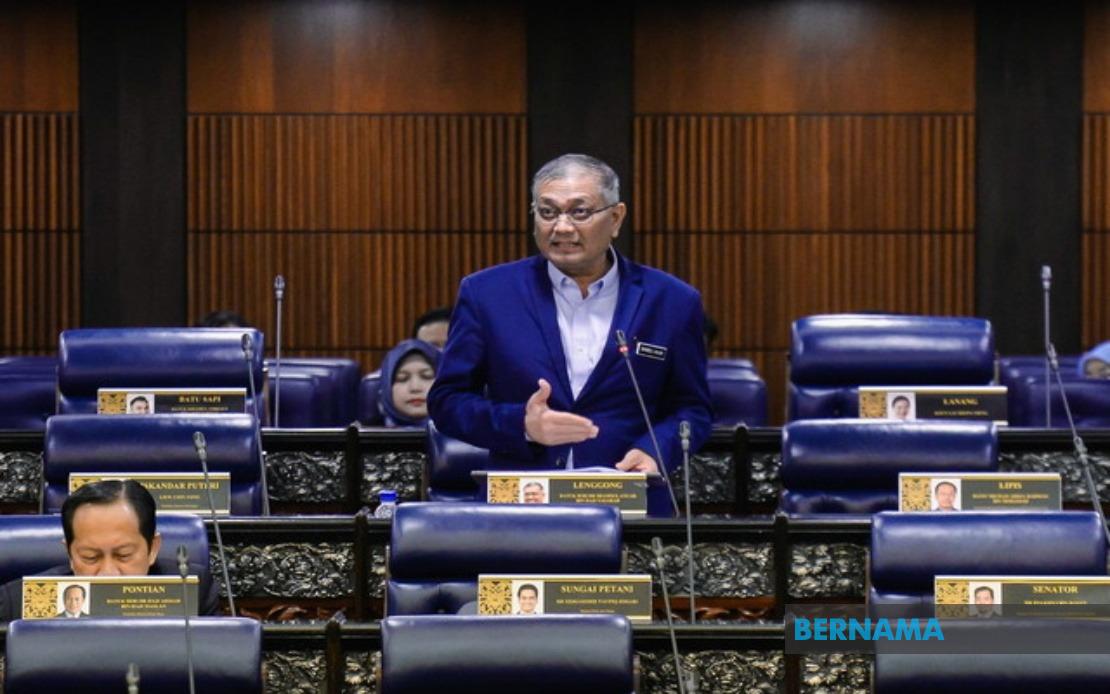
The Home Ministry has moved to clarify the nature of extra drills and field duties within the Royal Malaysia Police, emphasising that these measures function as corrective mechanisms designed to strengthen discipline rather than to inflict physical harm on personnel. Deputy Minister Datuk Seri Dr Shamsul Anuar Nasarah made the distinction during parliamentary proceedings, responding to concerns raised in the Dewan Rakyat about the potential misuse of such measures against junior officers.
The clarification arrives in the wake of heightened public scrutiny following a policeman's death in Sepang during May, which prompted lawmakers to question whether existing procedures adequately safeguard officer welfare. The incident had sparked wider debate about whether disciplinary practices within the 220,000-strong PDRM force were consistent, transparent, and proportionate to the offences they addressed. Roy Angau Gingkoi from GPS-Lubok Antu raised the matter, specifically requesting clarity on standard operating procedures and whether the ministry intended to harmonise disciplinary approaches across all ranks.
According to Shamsul Anuar, field duties operate under Paragraph 32 of the Inspector-General of Police's Standing Orders PT KPN A110, which governs discipline for minor breaches of conduct. The deputy minister underscored that such duties serve multiple purposes beyond mere punishment: they cultivate discipline, develop character, and facilitate behavioural reform among personnel who have committed relatively minor infractions. This framing positions such measures within a broader rehabilitative framework rather than a purely punitive one, suggesting that the police hierarchy views them as constructive rather than vindictive.
In response to the May incident, the PDRM Integrity and Standards Compliance Department issued a new administrative directive on June 29 that mandates the use of health assessment forms before field duties commence. This procedural enhancement represents an attempt to strengthen existing safeguards and ensure that officers assigned to extra drills are medically fit to undertake them. The move reflects acknowledgement that previous procedures may have lacked sufficient protective mechanisms, particularly regarding the physical condition of personnel before they are subjected to demanding duties.
Existing regulations governing field duties establish clear boundaries aimed at preventing excessive demands on officers. Duties cannot extend beyond four hours in a single day, nor can they be imposed for more than five consecutive days. These time restrictions suggest that authorities recognize the potential for such measures to become burdensome or harmful if left unchecked. The supervising officer bears responsibility for ensuring that duties proceed with prudence, are properly controlled, and remain safe—taking into account each officer's health status, physical condition, environmental factors, and other circumstances that might compromise their wellbeing.
The deputy minister addressed persistent allegations that extra drills disproportionately affect lower-ranking personnel while senior officers escape similar treatment. Shamsul Anuar explained that Paragraph 32 was deliberately designed for junior police officers as an alternative to more formal disciplinary proceedings, which explains why the measure applies primarily to that cohort. However, he rejected suggestions of favouritism based on rank, arguing instead that senior officers fall under different legal provisions within their respective service categories. This distinction highlights a structural feature of police discipline rather than evidence of systematic bias against junior ranks.
Concerns about bullying or ragging within the police force prompted further questioning from Datuk Awang Hashim of PN-Pendang. The deputy minister responded by emphasising that all disciplinary measures operate within a strict procedural framework and cannot be imposed arbitrarily by superior officers acting alone. This procedural safeguard theoretically prevents individual commanders from weaponising discipline against officers they dislike, as decisions must navigate established channels and oversight mechanisms. However, the effectiveness of such protections ultimately depends on how rigorously they are enforced and whether those responsible for oversight possess sufficient independence and authority to challenge improper applications.
The Home Ministry's clarifications reflect an attempt to rebuild public confidence in police disciplinary systems following the Sepang incident, which raised uncomfortable questions about whether existing oversight mechanisms adequately protected officer safety. The parliamentary exchange reveals tension between the ministry's desire to maintain disciplinary authority and mounting pressure from lawmakers to introduce stronger safeguards. The addition of health assessment requirements and the reaffirmation of time limits suggest incremental reforms, yet critics may argue these measures do not fundamentally address questions about whether field duties remain appropriate for minor infractions in an era of increased occupational health awareness.
For Malaysian readers and regional observers, this episode illustrates broader governance challenges facing law enforcement institutions across Southeast Asia. Police forces throughout the region face similar pressures to balance operational discipline with personnel welfare, and how Malaysia navigates these tensions may inform debates in neighbouring countries. The Home Ministry's emphasis on procedural safeguards and health considerations reflects evolving standards regarding occupational safety, yet implementation remains crucial. Whether the new directive genuinely prevents future incidents or merely creates a veneer of compliance will ultimately depend on institutional commitment and the willingness of senior commanders to prioritize officer wellbeing over organisational convenience.

