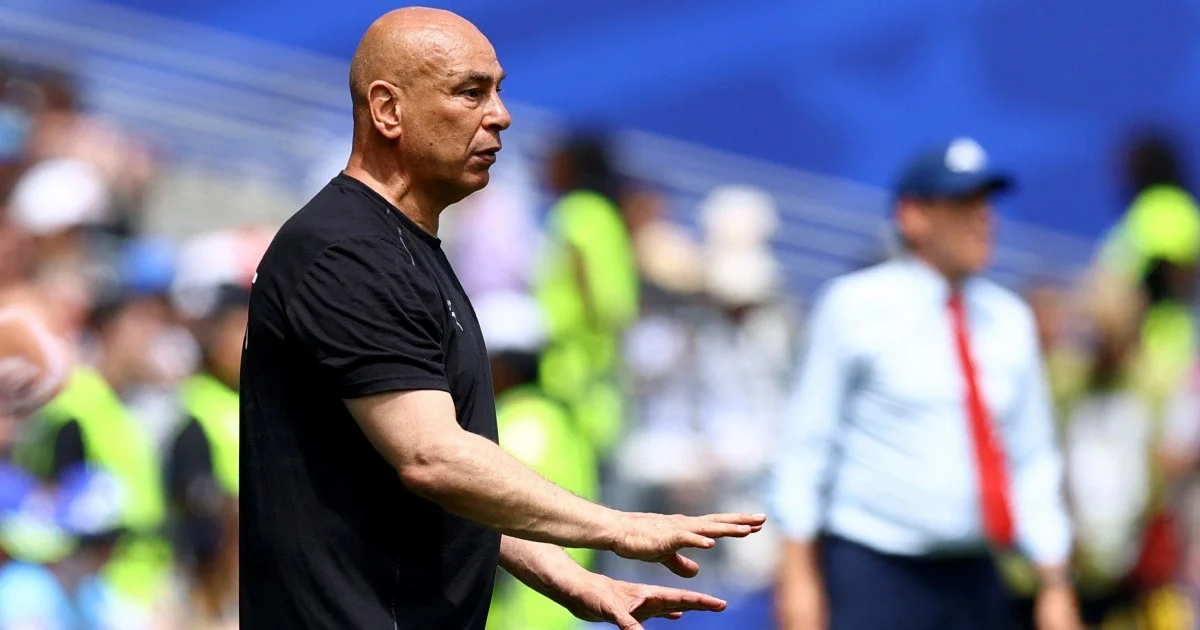
Egypt's head coach Hossam Hassan has moved to dispel mounting speculation about potential discord within the squad, particularly surrounding Mohamed Salah, as the North African side prepares for a decisive World Cup encounter. Speaking ahead of their Group G fixture against New Zealand at BC Place in Vancouver on Sunday, Hassan sought to reassure observers that no meaningful tensions exist within the playing ranks, maintaining that the team's focus remains entirely on the competition ahead. The intervention comes at a moment when any suggestion of internal strife could prove damaging to Egypt's aspirations in the tournament, making Hassan's emphatic denials strategically important in maintaining public and player confidence.
The precise nature of the reported rift remains unclear, though such rumours frequently emerge around major tournaments when squad dynamics come under scrutiny. Salah's status as Egypt's most globally recognized player and primary creative force means that any controversy involving him carries outsize implications for team morale and tactical coherence. Hassan's willingness to address the matter head-on suggests he views transparency as preferable to allowing speculation to fester, a common management approach when dealing with high-profile squad issues at international level.
For Malaysian and Southeast Asian readers, Egypt's World Cup campaign holds particular significance as a barometer for African football's global competitiveness. The Pharaohs represent one of the continent's traditionally strong sides, and their performance illuminates broader questions about whether African nations can sustain competitive challenges in modern World Cup tournaments. Salah's participation and form directly influences how seriously teams should regard Egypt's prospects, making clarification of his involvement critically important to observers assessing the tournament's Group G dynamics.
The New Zealand fixture assumes substantial importance within Egypt's broader tournament narrative. As a Group G opponent alongside established powers, the match effectively functions as an opportunity for Hassan's side to accumulate early points and build momentum. Any squad discord at this juncture could prove costly, particularly if internal divisions translate into diminished on-field cohesion or tactical flexibility during the contest itself. Hassan's emphasis on unity therefore carries genuine operational weight beyond mere public relations management.
Salah's international form has occasionally attracted debate, with observers sometimes questioning whether club commitments or fatigue impact his availability and effectiveness at international level. Such discussions naturally intensify during World Cups, when expectations peak and scrutiny becomes relentless. Hassan's forceful denial of specific rift allegations suggests he recognizes the importance of projecting an image of a unified, harmonious squad capable of executing complex tactical instructions without the complications that internal tensions introduce.
The Vancouver venue itself represents a symbolic challenge for African teams, with matches in North American stadiums historically presenting logistical and atmospheric variables that require specific preparation. Egyptian squads have often found the environment adjustment taxing, making psychological coherence and squad harmony tangible factors influencing adaptation and performance. Hassan's preemptive statement addressing potential discord may therefore represent recognition that group dynamics significantly influence how effectively teams manage unfamiliar tournament conditions.
Group G's competitive depth adds further context to Hassan's emphasis on internal unity. The presence of stronger football nations within the group means that Egypt cannot afford to dissipate energy managing internal complications when all focus should centre on tactical preparation and collective execution. Hassan's intervention essentially removes a potential distraction that could have consumed media attention and potentially influenced team concentration.
Regionally, Egypt's World Cup performance carries resonance throughout the Arab world and across Africa more broadly, influencing how Middle Eastern and African football development trajectories compare against established European and South American standards. Egypt's ability to progress from their group depends substantially on translating tactical planning into consistent on-field implementation, something that squad harmony facilitates and internal discord actively undermines. Hassan's denial of rift allegations therefore addresses not merely superficial public relations concerns but fundamental operational requirements for competing effectively.
The statement also reflects broader professionalism standards expected at international football's highest level. Modern coaches routinely manage media narratives to control information flow and protect squad psychology, with Hassan's approach exemplifying contemporary best practice in handling potentially damaging rumours before they achieve independent momentum. By explicitly denying tensions and reaffirming unity, Hassan attempts to reset the conversational frame away from speculation toward tactical and performance-focused discussion.
Looking forward, Egypt's performance against New Zealand will swiftly determine whether Hassan's claims of squad coherence translate into tangible competitive advantage. Close observation of how Salah functions within the side, whether his teammates demonstrate clear integration with his play patterns, and how the squad responds to pressure situations will collectively indicate whether Hassan's denials reflected genuine squad harmony or somewhat wishful projection. The Vancouver encounter therefore represents both a practical competition and a test of Hassan's management assertions.
For Malaysian football followers, Egypt's trajectory in this World Cup offers instructive lessons about African football's development and the specific challenges that non-European and non-South American nations face in maximizing tournament performance. Squad management, psychological coherence, and maintaining focus amid external speculation represent universal coaching challenges that transcend geographical or developmental context. Hassan's handling of the Salah situation exemplifies how international coaches navigate these pressures while pursuing competitive objectives.