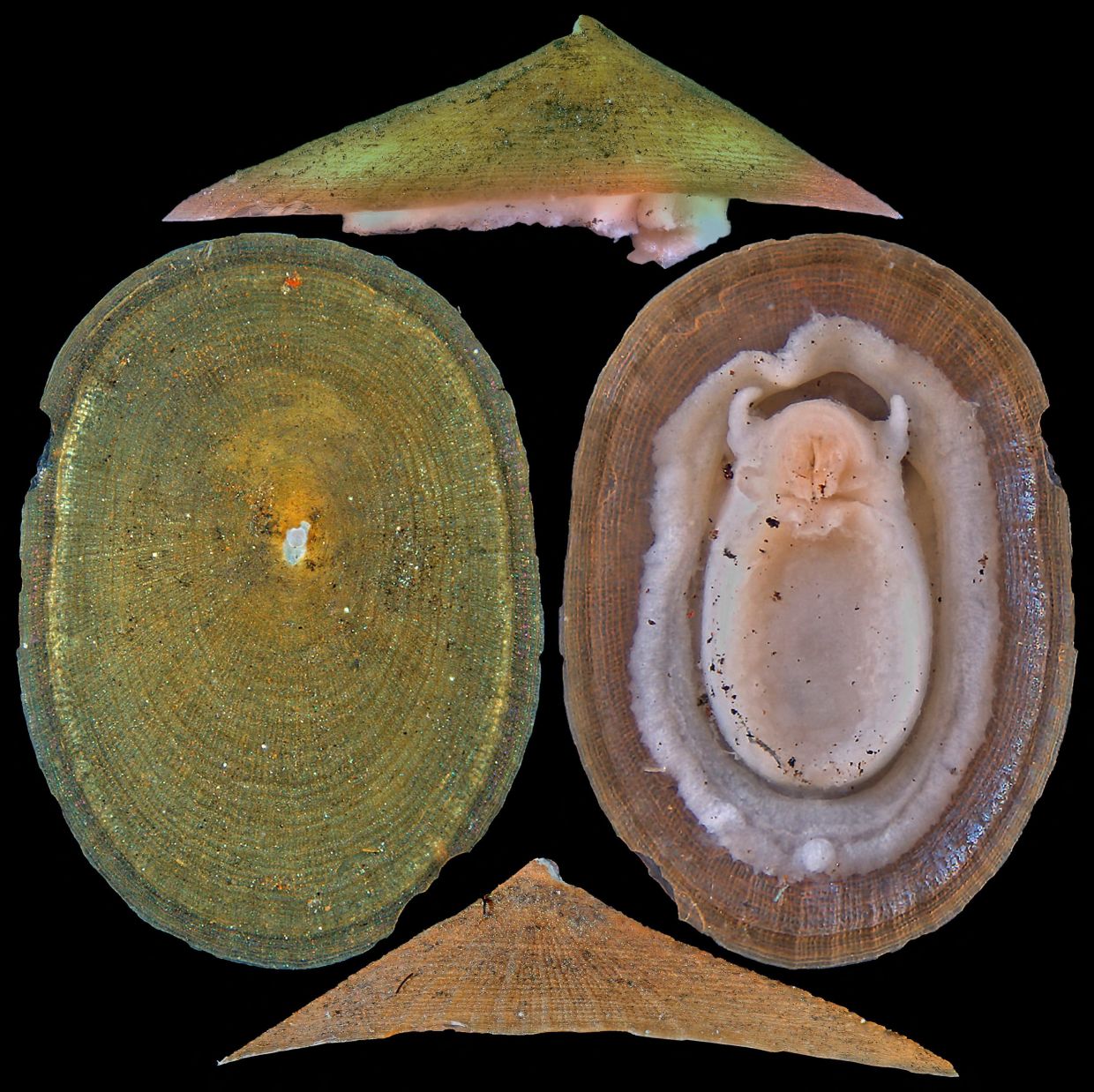
The seabed's most extreme ecosystems face unprecedented peril from the global race to extract minerals from the ocean floor. The International Union for Conservation of Nature released a sobering update to its Red List of Threatened Species this week, revealing that more than three in five mollusc species found exclusively around deep-sea hydrothermal vents now face extinction. This represents a critical milestone in conservation tracking, as 125 of the 201 known species in this category are now classified as at-risk from deep-sea mining ventures seeking valuable minerals from the ocean depths.
Hydrothermal vent ecosystems represent some of Earth's most hostile and remarkable habitats, where water temperatures soar beyond 450 degrees Celsius as scalding fluid erupts from the planet's crust. The molluscs adapted to survive in these environments include snails, limpets, mussels, clams and chitons, creatures that have evolved extraordinary physiological mechanisms to thrive in conditions that would instantly kill most other organisms. Many of these species have only entered scientific knowledge within the past decade, making the timing of the extinction threat particularly tragic—humanity is destroying biodiversity we have barely begun to understand.
The mechanics of deep-sea mining pose distinct dangers to these specialised creatures. Exploration and extraction operations generate substantial sediment plumes that blanket the seafloor, smothering the animals and disrupting their ability to extract nutrients from the water around them. These sediment clouds persist in the deep ocean's still waters for extended periods, creating a toxic curtain that transforms their vent habitats into inhospitable wastelands. The Swiss-based conservation organisation emphasised that these molluscs rank among the most vulnerable animal groups globally, facing what it termed a critical juncture for their survival.
The updated Red List now encompasses 175,909 species across all categories, a significant increase from the previous 172,620 listings. Within this expanded database, 49,505 species carry the formal designation of being threatened with extinction, representing a climb from 48,646 in the earlier version. These incremental increases reflect both improved scientific knowledge about species diversity and the accelerating pace at which organisms worldwide face genuine survival pressures from human activities and environmental degradation.
Julia Sigwart, a researcher with the IUCN mollusc specialist group, stressed the urgency of the moment, highlighting that these creatures represent some of Earth's most ingenious survivors, yet now confront existential threats from human disturbance of their habitats. The IUCN itself voted in 2021 to endorse a moratorium on deep-sea mining operations pending the establishment of genuinely effective marine environmental protections. This position reflects growing concern among conservation professionals that the current regulatory framework lacks sufficient safeguards to protect vulnerable seabed ecosystems from irreversible damage.
IUCN Director General Grethel Aguilar framed the broader conservation crisis in stark terms, noting that life on Earth has demonstrated remarkable capacity to adapt to the planet's most extreme and inhospitable environments. Yet even these most ingenious survival strategies now falter under intensifying pressure from expanding human economic activities. As biodiversity pressures compound across terrestrial and marine systems simultaneously, even the species best equipped by evolution to handle adversity now face mounting threats to their continued existence.
The updated assessment also drew attention to other emblematic species facing changing conservation status. The desert rain frog, a creature that has gained popularity through social media platforms, has been downgraded from near-threatened to vulnerable status. This small amphibian, which burrows into sand for protection, faces mounting pressure from diamond mining operations and energy infrastructure development along the west coast of South Africa and Namibia. Projections suggest the population will decline by 20 percent over the coming decade without intensive conservation intervention, adding to the list of African species losing ground to resource extraction industries.
Conversely, the Red List update included a rare conservation success story. Australia's numbat, a small marsupial also known as the banded anteater, has been upgraded from endangered to near-threatened status. This improvement stems from sustained captive breeding programmes and dedicated habitat protection efforts that have boosted population numbers from only a few hundred individuals in the 1970s to between 2,000 and 3,000 today. The achievement demonstrates that targeted, long-term collaborative conservation action can reverse even steep population declines when implemented with sufficient resources and commitment.
John Woinarski, co-chair of the IUCN's Australasian marsupial and Monotreme specialist group, used the numbat recovery as a platform to underscore a critical conservation principle: strategic, sustained and collaborative effort actually works. However, he cautioned that without such coordinated protection, invasive predators including feral cats and wild foxes will continue driving Australia's small marsupials and native rodents toward extinction. This regional pattern reflects global patterns where invasive species compound pressures from habitat loss, creating compounding extinction risks that demand multifaceted responses.
For Southeast Asian and Malaysian readers, the deep-sea mining crisis carries particular significance given the region's marine biodiversity and the expanding maritime economic activities across the Indo-Pacific. Many species of global conservation importance inhabit waters adjacent to Southeast Asian territories, and deep-sea mining operations could extend into the region's exclusive economic zones. The IUCN's findings underscore why regional cooperation on marine protection standards matters critically—national boundaries prove meaningless for migratory marine organisms or mobile seabed threats. Similarly, the numbat example illustrates how captive breeding and habitat protection can succeed even with charismatic but difficult-to-manage species, offering potential models for endangered Southeast Asian wildlife.

