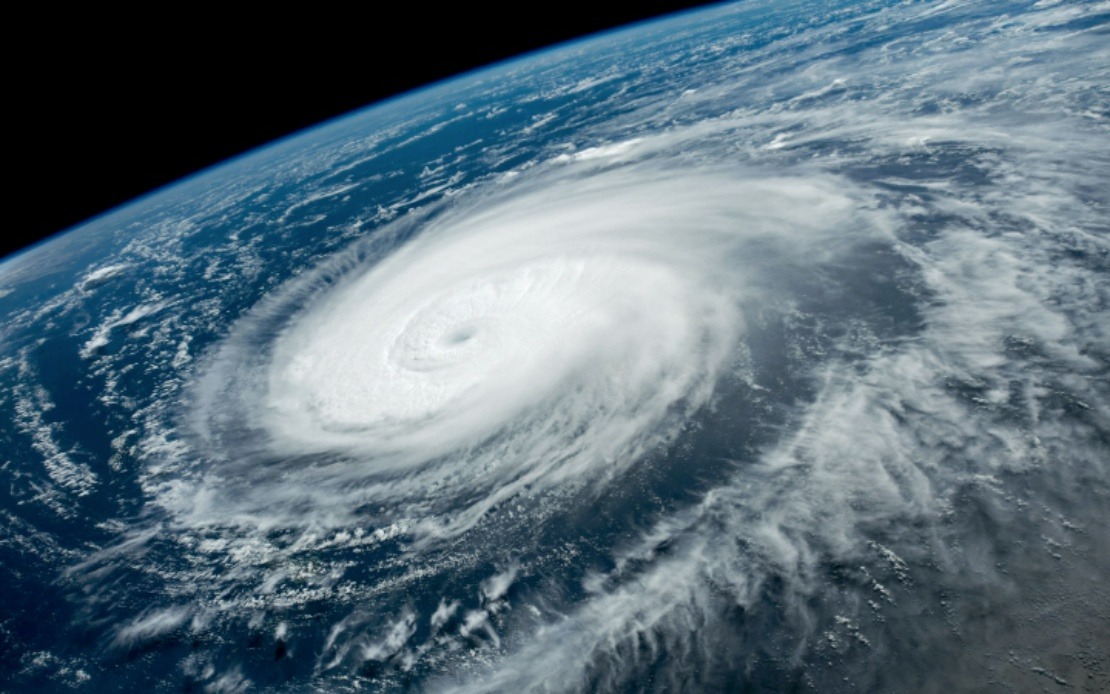
As Typhoon Dolphin gathered strength and moved toward China's eastern seaboard, the country's meteorological authorities took the decisive step on Saturday of escalating their alert systems, signalling widespread recognition of the storm's potential destructiveness. The upgrade of the typhoon warning from yellow to orange, coupled with the activation of Level III emergency response measures, represented a significant shift in the government's preparedness posture and reflected accumulating evidence that this cyclone would deliver more severe impacts than initially forecast.
The anticipated landfall zone stretches across a critical stretch of China's industrialised coast, with meteorologists pinpointing the region between Zhoushan in Zhejiang Province and Fuding in Fujian Province as the most probable impact area. The timing of the incursion, expected to occur from late Sunday evening through Monday morning, gave authorities a narrow but crucial window to complete evacuation preparations and secure vulnerable infrastructure. This geographical focus meant that two of China's most economically significant provinces would bear the brunt of the storm's initial assault.
Zhejiang Province, which had already demonstrated its institutional capacity for disaster response, moved even further ahead of the national alert by declaring its own Level II emergency status—the second-highest on its internal scale. This proactive escalation underscored the province's understanding of its particular vulnerability and the imperative to mobilise resources before conditions deteriorated. The deployment of more than 4,000 trained monitors across geologically sensitive zones represented an investment in ground-level risk assessment, with these personnel tasked with identifying and responding to landslide threats and other secondary hazards that typhoons routinely trigger in mountainous or unstable terrain.
The scope of the pre-emptive shutdown measures revealed the depth of disruption that Typhoon Dolphin would inflict across the region's transport and construction sectors. Zhejiang suspended operations on all 162 passenger ferry routes serving the province, a blanket halt that stranded commuters reliant on water-based transit. Simultaneously, the authorities brought to a standstill every one of the 193 offshore construction projects scattered across the province's waters, recalling 474 construction vessels to protected harbours by Friday morning. These actions, completed well before landfall, signalled the severity of wind speeds and wave heights that forecasters anticipated.
Fujian Province implemented parallel but somewhat less extensive measures reflecting its different geographic footprint and operational scale. Authorities there suspended 40 passenger ferry routes and shutdown 115 offshore construction sites by Saturday noon. The fishing sector, which maintains particular significance in Fuding's economy and labour landscape, faced a complete moratorium, with all 1,210 registered fishing boats compelled to return to port. This mass recall of commercial vessels removed them from the path of the approaching storm while simultaneously eliminating a critical livelihood source for thousands of residents until conditions improved.
Shanghai, positioned further north along the coast, issued its own blue-level typhoon alert on Friday, though with recognition that the financial capital's experience would differ from the epicentre of impact. Meteorological forecasters warned that the city would endure several days—potentially as many as four—of sustained strong winds and significant precipitation. The alert prompted transport authorities to begin suspending selected train services within the Yangtze River Delta region from Sunday onward, a measure that would fragment the mobility of the region's interconnected metropolitan population.
A comparative assessment offered by Xu Yinglong, chief forecaster at the National Meteorological Centre, provided sobering perspective on the storm's relative potency. Typhoon Dolphin promised to exceed the intensity of Typhoon Bavi, which had struck in July, with forecasters expecting both more violent wind gusts and more copious rainfall totals. This technical evaluation justified the escalation of alert levels and the magnitude of preventive action undertaken across multiple provinces, distinguishing Dolphin as a more formidable cyclone than the previous summer's most significant storm.
China's warning architecture, structured around a four-tier colour system with red denoting maximum severity followed by orange, yellow, and blue, provides administrative consistency across the country's vast territorial span and diverse administrative regions. The corresponding four-level emergency response framework, with Level I representing the highest mobilisation tier, creates alignment between meteorological assessment and operational resource deployment. Saturday's activation of Level III protocols indicated a measured but serious response that avoided maximum-scale disruption while still marshalling substantial defensive capacity.
For Malaysian observers and regional analysts, Typhoon Dolphin's trajectory and the institutional response it triggered carry relevance beyond China's borders. The monsoon systems and tropical weather patterns that generate such typhoons operate across Southeast Asia, and the sophisticated early warning and coordinated response mechanisms deployed by Chinese authorities offer instructive models for regional disaster management. The emphasis on ground-level monitoring networks, the comprehensive evacuation and asset-protection protocols, and the integration of multi-provincial coordination demonstrate governance approaches that smaller regional economies might examine for adaptation to their own typhoon preparedness strategies.
The cascading suspensions of ferry services, construction work, and fishing operations illustrated how meteorological events propagate economic consequences through multiple sectors and supply chains. For a region like Southeast Asia with substantial maritime trade, tourism-dependent economies, and fishing-based livelihoods, the temporary but widespread shutdowns triggered by Typhoon Dolphin illustrated the costs of natural hazards to economic continuity. The speed with which Chinese authorities had organised these preventive halts—with most major measures completed by Friday—reflected decades of accumulated experience in managing similar events and the administrative capacity to implement coordinated decisions across provincial boundaries and multiple sectoral jurisdictions.

