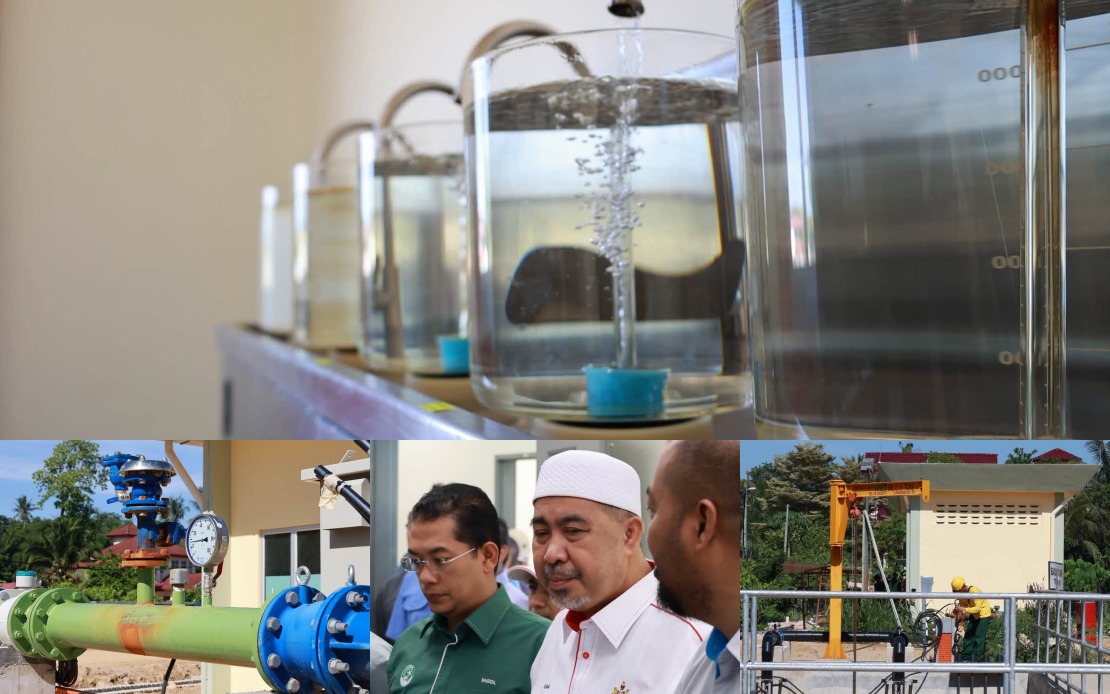
Kelantan is moving closer to resolving its chronic water supply challenges with the imminent completion of the Chicha 2 Water Treatment Plant in Pasir Hor, which is scheduled to begin operations in September. The facility, which has reached 97 per cent physical completion, represents a significant infrastructure investment designed to bring treated water services to communities that have struggled with supply inconsistencies. Datuk Dr Izani Husin, the state Public Works, Infrastructure, Water and Rural Development Committee chairman, announced the development during a site visit, highlighting the project's advancement toward full operationalisation.
The RM54.98 million undertaking, which commenced construction in 2024, addresses a critical infrastructure gap in the state's water provision network. With a designed capacity of 20 million litres per day, the treatment facility will serve five communities: Pasir Hor, Telipot, Kota Seribong, Mulong and Tunjong. This scale of production positions the plant as a meaningful contributor to Kelantan's water security, particularly for consumers in these areas who have experienced supply interruptions and inadequate water pressure. The decision to build the plant in Pasir Hor reflects careful geographic planning to ensure efficient distribution across multiple towns.
The plant's technological approach distinguishes it from existing facilities within the state. Situated on 1.84 hectares, the Chicha 2 WTP employs a groundwater extraction system that penetrates 100 metres below the surface, paired with an aeration treatment methodology. This aeration-based water treatment represents the first deployment of such technology in Kelantan's water infrastructure portfolio, according to Dr Izani. The method enables the production of high-quality treated water suitable for domestic consumption and has potential applications across future water treatment projects throughout the state, suggesting a template for addressing water quality issues in other regions.
One of the plant's most significant anticipated benefits involves reactivating dormant consumer accounts across the service area. Approximately 10,000 inactive accounts currently exist in communities destined to receive water from Chicha 2, and the plant's commissioning is expected to facilitate reconnection of these households to the treated water network. This reactivation represents not merely a numerical increase in service provision but addresses the practical reality that many households have abandoned formal water connections due to unreliable supplies, instead relying on alternative sources. The availability of treated water should incentivise reconnection and restore confidence in the formal supply system.
Kelantan's water sector has historically struggled with supply-demand imbalances and infrastructure deficiencies. The state's non-revenue water rate, currently exceeding 50 per cent, reflects the scale of system losses plaguing the network. Dr Izani attributed these losses predominantly to infrastructure degradation, particularly ageing and corroded pipes that develop leaks, underground pipe ruptures, and malfunctioning water meters that fail to accurately register consumption. These challenges are typical of water utilities across developing economies but are particularly acute in Kelantan due to the combination of aging infrastructure and geographic constraints that complicate maintenance and rehabilitation efforts.
The state government has articulated an ambitious timeline for comprehensively addressing water supply deficiencies. By 2030, according to Dr Izani's statement, Kelantan expects to resolve its water supply issues through coordinated implementation of multiple major infrastructure projects alongside construction of additional water treatment facilities. This phased approach acknowledges the financial and logistical complexities of transforming a water utility system while maintaining service continuity. The strategy prioritises capacity expansion through new treatment plants while simultaneously tackling the non-revenue water problem through infrastructure rehabilitation and leak detection programmes.
For Malaysian and Southeast Asian observers, Kelantan's experience reflects broader regional challenges in water infrastructure management. As urbanisation accelerates and populations grow across Malaysia, states must balance maintenance of aging systems with expansion to serve new consumers. The deployment of aeration technology at Chicha 2 signals a willingness to adopt innovations that improve treatment efficiency and water quality outcomes. This approach could offer lessons for other water utilities in the region facing similar pressures, particularly in less developed states where infrastructure investment remains constrained.
The consumer perspective on these developments carries significant weight. Residents in Pasir Hor, Telipot, Kota Seribong, Mulong and Tunjong have endured prolonged water supply uncertainties that affect daily living patterns, business operations, and health outcomes. The prospect of September commissioning and consistent supply from a high-capacity facility offers tangible relief. However, the state government's appeal for public patience in implementing staged solutions suggests recognition that infrastructure challenges cannot be resolved instantaneously. The reactivation of 10,000 dormant accounts hinges on consumers' willingness to invest in reconnection infrastructure and resume payment obligations.
The broader fiscal context underlying these projects warrants consideration for Malaysian policymakers. At RM54.98 million for a single treatment facility serving 13,000 consumers, the per-capita infrastructure investment approximates RM4,230 per consumer account. While capital-intensive, such expenditures prove necessary to escape the infrastructure deficit that characterises Kelantan's water sector. The state's commitment to implementing sequential projects through 2030 suggests sustained budgetary allocation toward water security, whether through federal transfers, state coffers, or public-private arrangements.
Looking forward, the Chicha 2 plant's performance will likely influence future infrastructure decisions across Kelantan and potentially other states. The aeration methodology's success or challenges during operation will determine whether the technology gains broader adoption. Simultaneously, the facility's ability to sustain service delivery through peak-demand periods and manage water quality will shape public confidence in formal water supply systems. For regulators and water utility managers throughout Malaysia and Southeast Asia observing Kelantan's trajectory, the Chicha 2 project exemplifies both the commitment required to rehabilitate struggling water sectors and the infrastructure choices that distinguish incremental improvement from transformative change.

