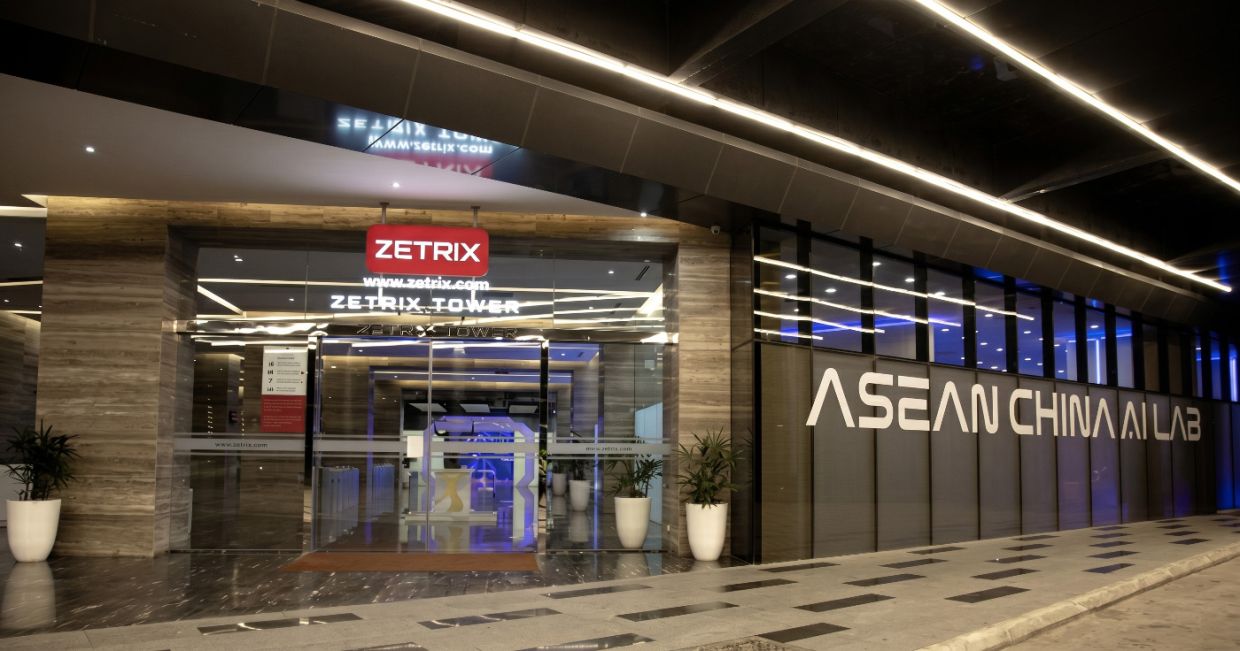
Zetrix AI Bhd moved swiftly to extinguish speculation linking the technology company to corruption allegations against Datuk Seri M. Saravanan, the former human resources minister who faces three graft charges at the Sessions Court. The firm's urgent clarification came after its share price collapsed by half in volatile trading, triggering an official investigation by Bursa Malaysia Securities Bhd into the unusual market activity that saw over a billion shares change hands.
The charges against Saravanan, filed on August 28, centre on his alleged role in approving foreign worker quotas during his ministerial tenure. While the allegations concern government administration and administrative decision-making, speculation in investment circles apparently linked the former minister to Zetrix AI's operations or governance structure, prompting investors to exit positions. In its response to the exchange operator's formal query, Zetrix AI stated categorically that it bore no connection whatsoever to Saravanan or the legal proceedings initiated against him.
Market observers tracking the development point to a troubling pattern whereby Asian technology and services companies can face sudden equity volatility when former government officials associated with their sectors face legal difficulties. The reputational contagion effect, while economically irrational, reflects investor anxiety about potential regulatory scrutiny or hidden business entanglements. Zetrix AI's management appeared determined to sever any perceived nexus, emphasizing that rumours circulating about such a connection lacked foundation and represented pure speculation divorced from commercial reality.
The company's formal disclosure to Bursa Malaysia systematically eliminated alternative explanations for the trading turbulence. Management confirmed it had consulted with board directors and major shareholders to establish whether any undisclosed developments—whether in negotiation, discussion, or formal proposal stages—could account for the market activity. Finding none, Zetrix AI concluded that speculation surrounding Saravanan's corruption case represented the sole identifiable trigger for the share price implosion.
On the trading day itself, Zetrix AI shares plummeted 30 sen, representing a 50.4% decline that brought the stock to 29.5 sen per share. The extraordinary volume of approximately 1.05 billion shares traded suggested panic selling rather than orderly portfolio rebalancing, indicating that many shareholders moved to liquidate positions without awaiting clarification from management. Such panic dynamics often characterize Asian equity markets where retail participation remains substantial and rumour mills operate with considerable efficiency through social media and investment chat groups.
The incident illustrates the vulnerability of Malaysian-listed companies to reputational shock, particularly technology and services firms without established brand recognition or institutional investor bases. Zetrix AI's experience underscores how quickly equity values can compress when unfounded allegations gain traction, regardless of factual connection. The company's immediate public denial, while necessary for damage control, may struggle to reverse perceptions already crystallized among retail shareholders who made rapid exit decisions.
For the broader Malaysian corporate ecosystem, the episode raises questions about information governance and investor communication during crisis moments. Zetrix AI's systematic approach—addressing the exchange regulator's query, consulting stakeholders, and transparently stating information gaps—represents textbook crisis management. Yet the severity of the market response suggests that investor confidence in such clarifications remains fragile, particularly when corruption allegations enter the narrative, however tangentially.
The foreign worker quota approval process that formed the basis of Saravanan's prosecution touches directly on human resources policies affecting numerous Malaysian companies across sectors. The government had previously faced criticism regarding foreign worker allocations and their impact on labour market dynamics and employment patterns. Zetrix AI's involvement in human resources or labour market technology would theoretically position it within a sector under heightened regulatory and public scrutiny, though the company has not disclosed any such operational focus.
Saravanan's legal proceedings now enter the court system at a critical moment for Malaysian governance, with anti-corruption authorities maintaining elevated public profile following several high-profile prosecution outcomes. The Sessions Court will determine the merits of allegations spanning three separate graft charges, with proceedings likely to generate media coverage that could periodically affect market sentiment toward companies in related sectors or with tangential connections to the case.
For Zetrix AI shareholders who remained invested through Friday's carnage, the company's denial statement provides some reassurance regarding fundamental business continuity and the absence of hidden governance problems. However, restoring equity valuation will require both continued performance execution and market passage of time, as investor memory of dramatic price movements tends to fade only gradually. The regulatory oversight from Bursa Malaysia, while protective of market integrity, underscores that unusual trading activity generating such severe moves will attract official scrutiny and mandatory disclosure requirements.
The incident demonstrates how Malaysian capital markets remain susceptible to narrative-driven volatility where peripheral connections between listed companies and high-profile legal proceedings can trigger disproportionate price reactions. Zetrix AI's experience suggests that technology and services companies should establish robust crisis communication protocols and consider proactive stakeholder engagement during periods of sectoral or regulatory uncertainty. The company's systematic response, while prudent, may only partially offset the reputational friction generated by unfounded speculation.

