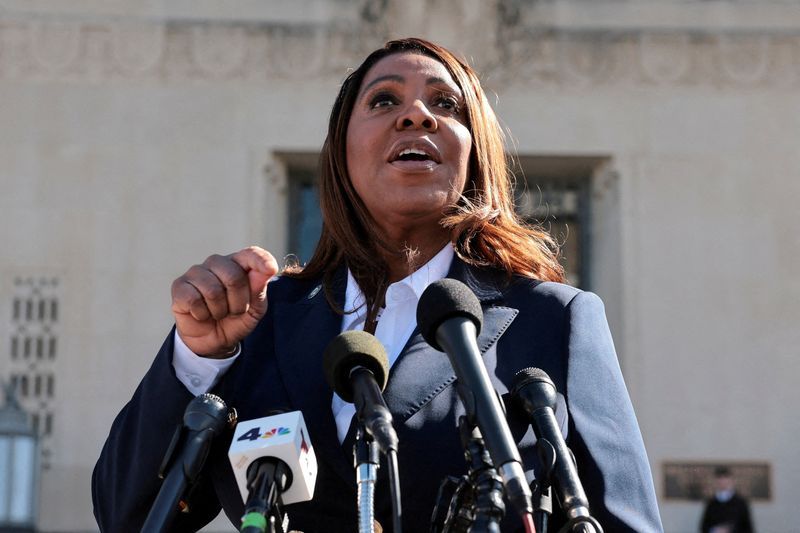
A judge in New York has dealt a significant blow to Zelle, the electronic payment platform owned by seven major U.S. banks, by refusing to dismiss a major lawsuit filed by state Attorney General Letitia James. Justice Phaedra Perry-Bond of Manhattan's state court determined on Tuesday that James had presented sufficient evidence to support her claims that Zelle knowingly compromised consumer protection in favour of rapid market expansion.
The core allegation against Zelle centres on how its parent company, Early Warning Services, brought the platform to market despite flagged concerns from its banking partners. According to the court's findings, the decision-makers at Early Warning Services—which is backed by Bank of America, Capital One, JPMorgan Chase, PNC, Truist, US Bank and Wells Fargo—explicitly prioritised "accessibility, convenience, consumer adoption, and market dominance at the expense of consumer safety." This prioritization, the judge suggested, created fertile ground for fraudsters to exploit the platform's vulnerabilities.
The lawsuit gained traction partly because of revelations about how Zelle continues to profit from fraudulent activities. Perry-Bond highlighted a troubling aspect of Zelle's business model: the platform continues collecting and retaining transaction fees even from transfers that were later confirmed as fraudulent. This practice raises serious questions about whether Zelle implicitly or explicitly condoned criminal activity on its network, a contention that could fundamentally reshape arguments about corporate complicity in fraud.
Fraud on Zelle has allegedly reached staggering proportions, with James contending that criminals have stolen more than $1 billion from consumers through the platform. The types of scams vary widely but follow recognizable patterns: hackers breaking into accounts and executing unauthorized transfers, sophisticated con artists deceiving users into sending money for goods or services that never materialise, and criminals impersonating legitimate entities such as banks, government agencies and utility companies to collect funds under false pretences.
Zelle's marketing strategy has also come under scrutiny in this case. The company promoted its platform using language suggesting exceptional security, positioning it as offering "peace-of-mind" and emphasising that it was "backed by the banks, so you know it's secure." Such messaging, James argues, misled consumers about the actual security infrastructure and monitoring in place, effectively creating a false sense of protection that consumers relied upon when making decisions to use the service.
The company's response has been combative. Zelle's spokesperson Eric Blankenbaker dismissed the allegations as politically motivated, insisting that "reports of fraud and scams committed by bad actors against Zelle users have always been exceptionally low." The company also characterised the lawsuit as part of a pattern of attacks that courts across the nation have previously rejected as lacking merit, suggesting that the attorney general's case is fundamentally flawed in both factual foundation and legal reasoning.
Zelle's defence rested on two primary arguments in seeking dismissal. First, the company contended that advertising the platform as safe and secure was not inherently misleading given industry standards. Second, Zelle argued it bore no legal responsibility for what it termed "passive nonfeasance"—the decision not to implement additional security measures—claiming this did not constitute active wrongdoing that could generate liability for third-party criminal actions. The judge's rejection of these arguments suggests a potential shift in how courts may evaluate corporate responsibility for platform security going forward.
The timeline of security decisions proves particularly damaging to Zelle's position. According to James, the company had proposed implementing "basic" safeguards as early as 2019, yet did not actually adopt these measures until 2023—a four-year gap that coincided with investigations initiated by the U.S. Consumer Financial Protection Bureau and several members of Congress. This delay in implementing known security improvements undermines Zelle's claim that it was merely responding to evolving fraud threats in real time.
Zelle's emergence as a major payment platform has been remarkable since its launch in 2017, positioning it to compete directly with established digital payment services including PayPal's Venmo and Block's Cash App. Despite the fraud concerns, or perhaps because of the convenience that enabled both legitimate commerce and criminal activity, the platform has captured significant market share among American consumers seeking quick, bank-based money transfers. The lawsuit now threatens to expose the structural vulnerabilities that may have facilitated this rapid adoption.
The timing of this legal setback for Zelle carries broader implications. James pursued the lawsuit after the CFPB, which had launched a similar enforcement action, unexpectedly dropped its case in March 2025. That decision occurred soon after Donald Trump began his second term as U.S. President, and the agency subsequently wound down most of its enforcement activity. With federal regulators stepping back, state-level prosecutors like James have become the primary check on corporate conduct in the fintech sector, making this New York ruling potentially consequential for how digital payment platforms operate nationwide.
For Malaysian consumers and Southeast Asian observers, this case offers instructive lessons about the risks posed by rapid fintech expansion without adequate safeguards. As regional payment platforms proliferate across Southeast Asia, the Zelle litigation demonstrates that regulatory vigilance and corporate accountability mechanisms remain essential to protecting users from fraud. The decision also underscores how banks lending their names and infrastructure to payment platforms can face legal exposure if they fail to ensure proper security standards are maintained.

