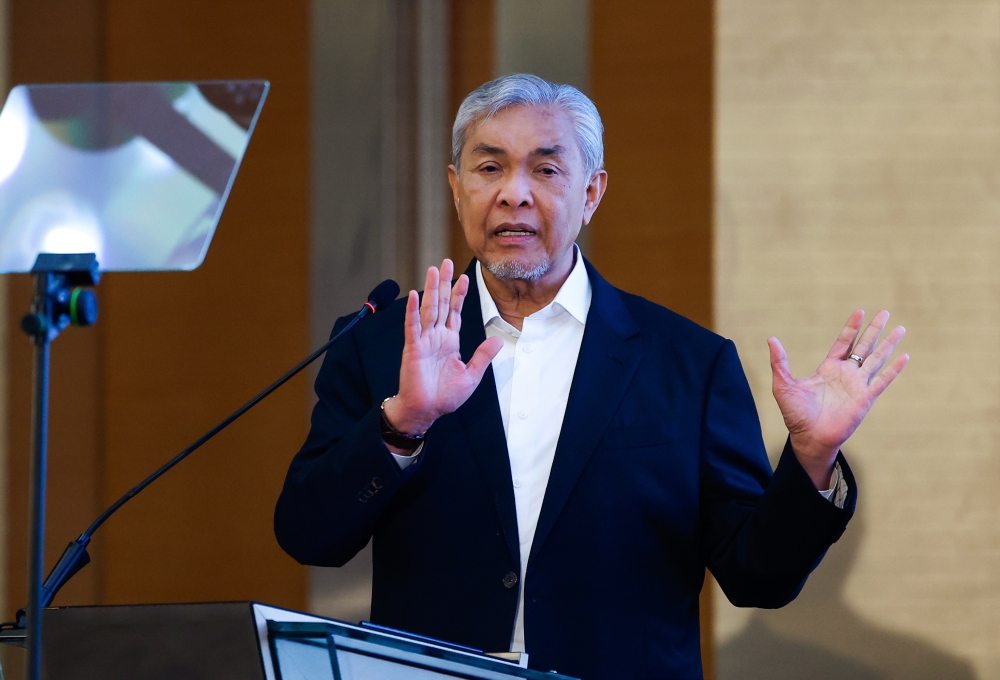
Deputy Prime Minister Ahmad Zahid Hamidi has called for the scope of the Royal Commission of Inquiry into Tabung Haji to extend beyond the crisis years and include the institution's ongoing recovery and remedial efforts. Speaking in Seremban on July 30, Zahid highlighted the importance of examining how the troubled Islamic pilgrimage fund is rebuilding operations and restoring stakeholder confidence following years of financial strain and management challenges.
The proposal reflects growing recognition within government circles that a comprehensive examination of Tabung Haji requires scrutiny not only of how problems emerged but also whether corrective measures are proving effective. The Cabinet's positioning of an expanded RCI mandate suggests policymakers want institutional accountability to cover the full trajectory from crisis recognition through stabilisation and recovery. This broader approach could provide clearer benchmarks for measuring progress against rebuilding objectives and identifying any emerging vulnerabilities before they compound.
Tabung Haji, the government-owned institution managing savings and pilgrimage arrangements for Malaysian Muslims, has faced significant operational and financial difficulties in recent years. The fund's challenges stemmed from complex investment decisions, asset management issues, and governance lapses that prompted regulatory interventions and public concern about the security of contributions from millions of Malaysian pilgrims and savers. An inquiry into causation alone leaves unexamined the crucial question of whether current restructuring efforts adequately address underlying structural weaknesses.
Zahid's intervention suggests the Deputy Prime Minister sees strategic value in maintaining oversight momentum beyond the initial investigation phase. By including recovery mechanisms within the RCI's purview, authorities can assess whether reform initiatives are substantive or cosmetic, whether newly implemented safeguards genuinely strengthen governance, and whether the institution has developed resilience against future mismanagement. This extended timeline also allows the inquiry to evaluate whether remedial actions undertaken by current and recent management genuinely serve institutional repair or merely symbolise accountability.
The proposal carries implications for Malaysian pilgrims and millions of account holders who depend on Tabung Haji for hajj financing. A more thorough examination encompassing both crisis origins and recovery progress could either reassure contributors that systemic problems are being addressed, or reveal that institutional fixes remain superficial. Public confidence in the fund—essential for its continued viability as a pilgrimage vehicle—hinges partly on transparent documentation that lessons have been learned and implemented.
From a governance perspective, expanding the RCI mandate reflects evolving best practices in institutional inquiries. Rather than treating crises as isolated events requiring post-hoc investigation, the expanded approach recognises that sustainable reform requires continuous scrutiny. This model potentially sets precedent for how Malaysia examines failures within state-owned enterprises, suggesting future RCIs might incorporate performance measurement against explicit remedial targets rather than concluding when investigations end.
The timing of Zahid's proposal matters alongside Tabung Haji's rehabilitation trajectory. The institution has undertaken various restructuring initiatives, senior management changes, and operational reforms in response to previous concerns. Formalising these recovery efforts within an RCI framework provides external validation or critique of whether these changes constitute genuine institutional overhaul. For Malaysian pilgrims preparing for hajj and families relying on Tabung Haji savings vehicles, clarity on recovery progress matters enormously.
For Malaysia's broader financial sector and regulatory architecture, how authorities handle the Tabung Haji inquiry reflects commitment to examining state enterprise governance comprehensively. Regional observers and international stakeholders monitoring Malaysian institutional accountability will note whether the expanded RCI represents genuine commitment to systemic reform or performative inquiry. Countries managing sovereign wealth funds and pilgrimage institutions across Southeast Asia watch how Malaysia addresses such challenges, potentially influencing regional standards for financial institution oversight.
The Cabinet's receptivity to Zahid's proposal indicates consensus that partial examinations of institutional crises create analytical gaps. By investigating both how problems occurred and how remediation is progressing, authorities generate more complete institutional knowledge. This comprehensive approach also provides documented evidence of systematic reform efforts, valuable for regulatory confidence and stakeholder trust. The Cabinet's willingness to expand the RCI's scope suggests recognition that Malaysian public institutions require more rigorous, extended scrutiny than narrow crisis investigations permit.
Moving forward, the expanded RCI framework will require clear parameters defining where crisis analysis ends and recovery evaluation begins. Investigators will need to establish benchmarks for assessing whether Tabung Haji's reforms measurably strengthen governance, enhance financial safeguards, and restore operational transparency. The inquiry's structure should enable periodic reassessment of recovery progress rather than treating recovery as a static endpoint. This extended approach ultimately serves pilgrims, savers, and taxpayers by ensuring that institutional rehabilitation claims face systematic verification.

