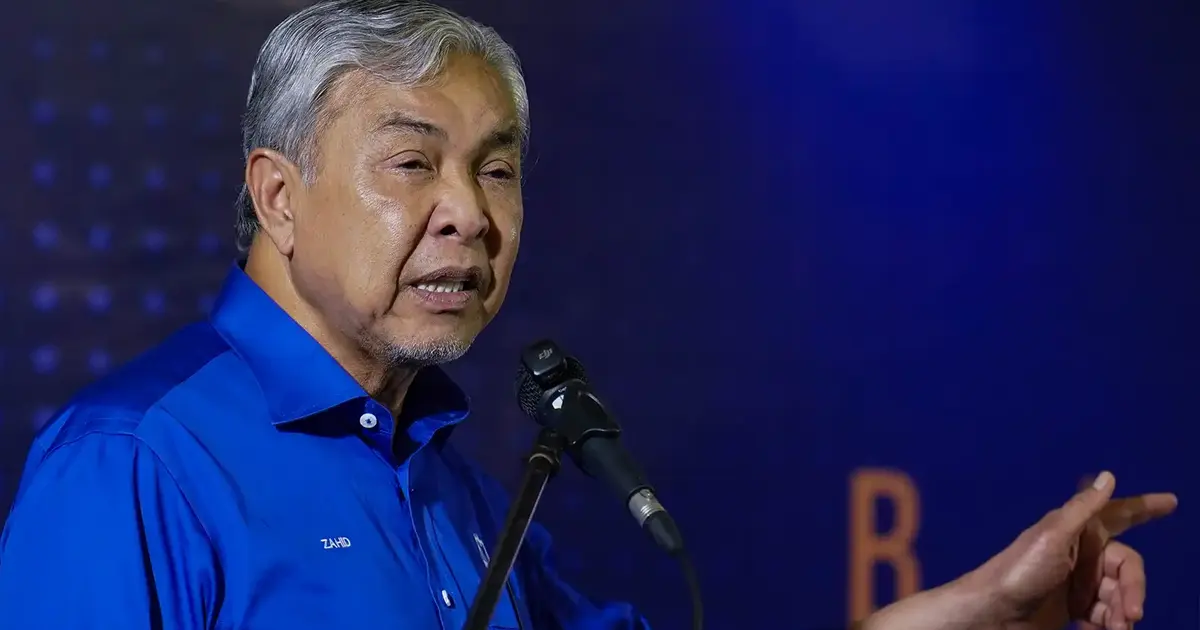
Puad Zarkashi has offered a revealing glimpse into the political calculations underpinning potential negotiations between Umno and PAS, asserting that both parties harbour distinct but potentially complementary objectives that could facilitate their reunion despite a previous alliance breakdown. The apparent divergence of goals—with Umno focused on elevating Zahid Hamidi to the premiership and PAS concentrated on securing ministerial positions and government influence—creates room for bargaining, according to the seasoned political observer.
The history of collaboration between Umno and PAS extends across several electoral cycles, but their partnership has proven fragile, susceptible to ideological tensions and competition for the same voter base, particularly in rural and Malay-Muslim constituencies. The previous alliance unravelled under pressure from internal disagreements and shifting political alliances, leaving both organisations nursing grievances yet remaining locked in a complex dependency as they navigate Malaysia's factionalised political landscape. Understanding the durability of any renewed partnership requires examining what each party genuinely seeks from such an arrangement.
Zahid Hamidi's positioning within Umno reflects the party's ongoing leadership dynamics and his personal political trajectory. As a senior figure within the dominant Malay-majority political force, his aspirations to occupy the country's highest executive office carry significant implications not only for party succession planning but also for the broader direction of Malaysia's governance and policy priorities. His candidacy would likely resonate with segments of the Umno base seeking continuity and representation of particular interests within the party's ideological spectrum.
Meanwhile, PAS has articulated its determination to return to the corridors of power following periods of electoral setbacks and reduced parliamentary representation. The Islamic party's appetite for ministerial portfolios and governmental responsibilities stems from both practical resource considerations—funding, patronage networks, and policy implementation capacity—and its fundamental identity as a party that seeks to translate its religious and social ideology into actionable governance. Without access to governmental machinery, the party faces constraints in advancing its agenda and maintaining organisational coherence.
Puad Zarkashi's assertion that these short-term political objectives create sufficient alignment for cooperation suggests a pragmatic assessment of Malaysian political negotiations. Rather than requiring ideological harmony or deep institutional trust, successful coalitions in the Malaysian context frequently operate on transactional foundations where each participant sees tangible benefits from collaboration. The temporary nature of these arrangements reflects the volatile equilibrium characterising contemporary Malaysian politics, where electoral cycles, internal party dynamics, and personality-driven rivalries continuously reshape alliance patterns.
The potential reunion of Umno and PAS carries implications for Malaysia's broader political ecosystem and regional representation. Such a combination would command substantial parliamentary presence and electoral mobilisation capacity, particularly among Malay-Muslim voters. This realignment could influence the configuration of competing coalitions, affect the competitive landscape for non-Malay and non-Muslim political representation, and shape the policy environment on matters ranging from Islamic law implementation to economic distribution.
However, structural obstacles remain embedded in the organisations' past experiences. Previous alliances have fractured over disputes regarding power-sharing arrangements, ideological implementation, and symbolic recognition of each party's contribution to governing coalitions. Zahid's prominence within Umno and his personal political brand could generate either cohesion—if PAS views his leadership as acceptable—or tension—if the party perceives itself as subordinated to his authority. The allocation of ministerial positions typically becomes a flashpoint in coalition negotiations, and neither party has demonstrated willingness to compromise substantially on key portfolios.
Regional dynamics within Southeast Asia also contextualise these developments. Malaysia's political configuration influences its engagement with regional institutions, trade relationships, and diplomatic positioning. A coalition dominated by Umno and PAS could potentially shift Malaysia's regional alignment or policy priorities compared to other possible governmental combinations. Neighbouring countries and regional partners therefore monitor these political negotiations with attention to how they might affect bilateral relationships and regional stability.
The timing of Puad Zarkashi's remarks suggests that preliminary political discussions or strategic positioning may already be underway behind formal announcements. Malaysian political actors frequently signal intentions through indirect statements before crystallising formal agreements, allowing negotiating space while testing public and party reaction. This statement appears to serve that function, introducing the possibility of Umno-PAS cooperation to the political discourse without committing parties to specific terms.
Looking forward, the viability of any renewed Umno-PAS partnership depends on factors beyond the two parties' expressed objectives. Electoral arithmetic, actions by competing political coalitions, internal party factionalism, and unforeseen political events all influence whether such collaboration materialises and, if it does, whether it proves durable. The Malaysian electorate's evolving preferences, particularly regarding representation and policy priorities, ultimately determine whether such an alliance can command the legislative support necessary for effective governance.
Puad Zarkashi's characterisation of Umno and PAS as capable of transcending their historical rupture reflects realistic appraisal of Malaysian political pragmatism. In a context where ideological consistency takes secondary priority to electoral viability and access to state resources, parties routinely overcome animosities to pursue shared interests. Whether this potential cooperation actually materialises depends on whether negotiators can translate their short-term objectives into workable agreements that neither party perceives as sacrificing essential interests.

