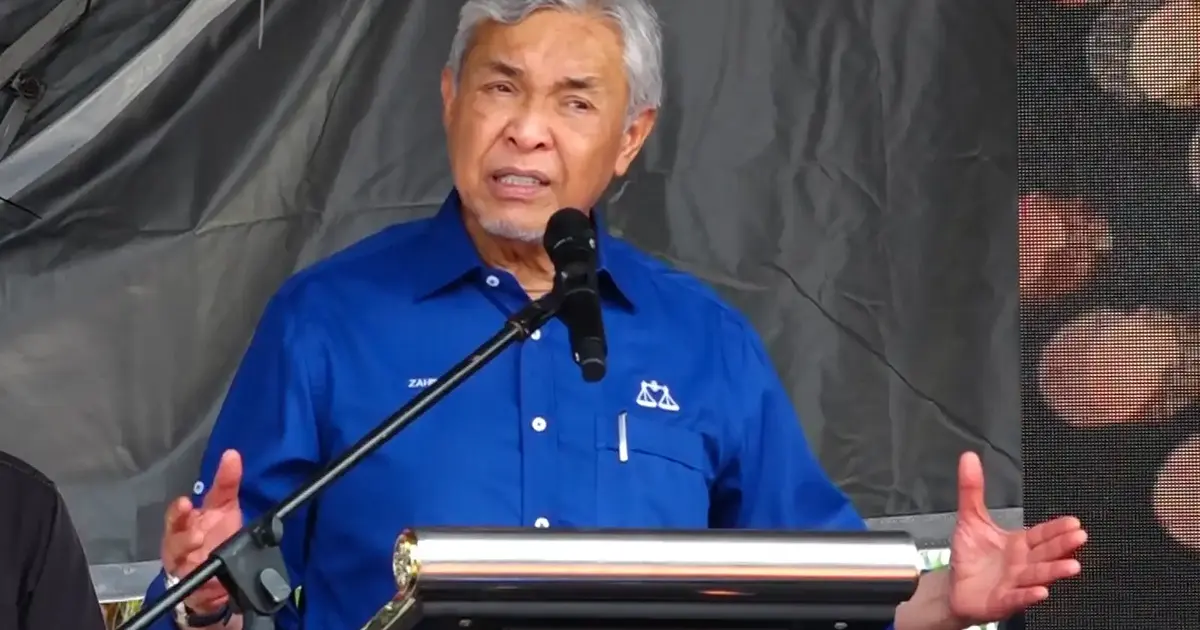
The Umno party leadership has moved to curtail internal dissent by directing operatives to disregard public commentary from former party figure Puad Zarkashi regarding Barisan Nasional candidates in the Johor state elections. Ahmad Zahid Hamidi, the current Umno president, issued instructions to the party's election machinery to simply overlook Zarkashi's remarks rather than engage with the criticism, reflecting an effort to maintain focus on campaign efforts without being diverted by intra-party tensions.
Puad Zarkashi held significant standing within Umno as a former leader, giving his observations on candidate selection and electoral strategy considerable weight among party members. His public commentary on the BN slate for Johor has created a distraction from the coalition's unified messaging ahead of the state polls. By instructing the party machinery to dismiss such criticism outright, Zahid has effectively signalled that the leadership considers Zarkashi's input inconsequential to current party operations and electoral planning.
This directive reflects broader challenges within Umno as the party navigates internal factions and competing visions for leadership and strategy. When former figures retain enough credibility to shape party narrative, current leadership often finds itself forced to manage perceptions and maintain discipline. Zahid's approach suggests confidence in his authority, though it also hints at underlying concerns that Zarkashi's voice could resonate with grassroots members frustrated with candidate selections or campaign direction.
The Johor state elections carry significant implications for Umno's standing in the peninsula's southeastern bastion, traditionally a stronghold for the coalition. Any perception of weakness or internal discord during the campaign could undermine Barisan Nasional's electoral prospects. By publicly downplaying Zarkashi's criticisms and ordering the machinery to move past them, Zahid aims to project an image of unified, decisive leadership focused on electoral victory rather than internal grievances.
Zarkashi's position as a former leader grants him leverage that ordinary party members might lack, yet his current formal role within Umno's hierarchy remains unclear from available information. Former senior figures often command respect based on their tenure and experience, but they may lack institutional power to direct party decisions. This dynamic creates a situation where Zarkashi can influence perception and morale without being able to formally alter party course—making him simultaneously relevant and diminished in influence.
The timing of Zahid's instruction to ignore Zarkashi's commentary suggests that the former leader's criticism had begun circulating among party members and possibly in media circles, reaching a level that required formal response from the top. Rather than rebut specific points or engage substantively with concerns, the preferred tactic is containment through directive: treat the comments as not worthy of response, and instruct lower-level party operatives to maintain this posture when questioned.
For Malaysian political observers, this episode illustrates the ongoing tensions within Umno as it seeks to stabilize its position after years of internal upheaval and electoral setbacks. The party's dominance in peninsular politics cannot be taken for granted, particularly as rival coalitions and internal challengers continue to test its support base. Elections like those in Johor become crucial for reasserting Umno's relevance and BN's viability as a governing force.
The party's sensitivity to Zarkashi's remarks, evident in requiring leadership response, indicates that his criticism touches on vulnerabilities in the current strategy or candidate selections. Whether concerns involve the suitability of particular nominees, questions about electoral viability in specific constituencies, or broader disagreements over party direction remains unclear. However, the leadership's determination to suppress rather than address such concerns publicly may ultimately prove counterproductive if grassroots members share similar doubts.
From a regional perspective, Umno's internal management challenges reflect broader pressures affecting established political parties across Southeast Asia. Traditional ruling coalitions face challenges from reformist movements, rising expectations around governance standards, and fragmentation of voter loyalty. How Umno navigates these internal tensions while competing electorally will offer insights into the resilience of long-established party structures in the contemporary political environment.
Zahid's instruction also underscores the hierarchical nature of party discipline within Umno, where the president's directives carry significant weight in shaping how machinery elements respond to various situations. This centralized approach can maintain order, but it also risks suppressing legitimate concerns that, if addressed substantively, might strengthen party strategy and candidate selection processes. The coming Johor elections will reveal whether this containment approach successfully maintains unity or whether underlying tensions resurface during campaigning.

