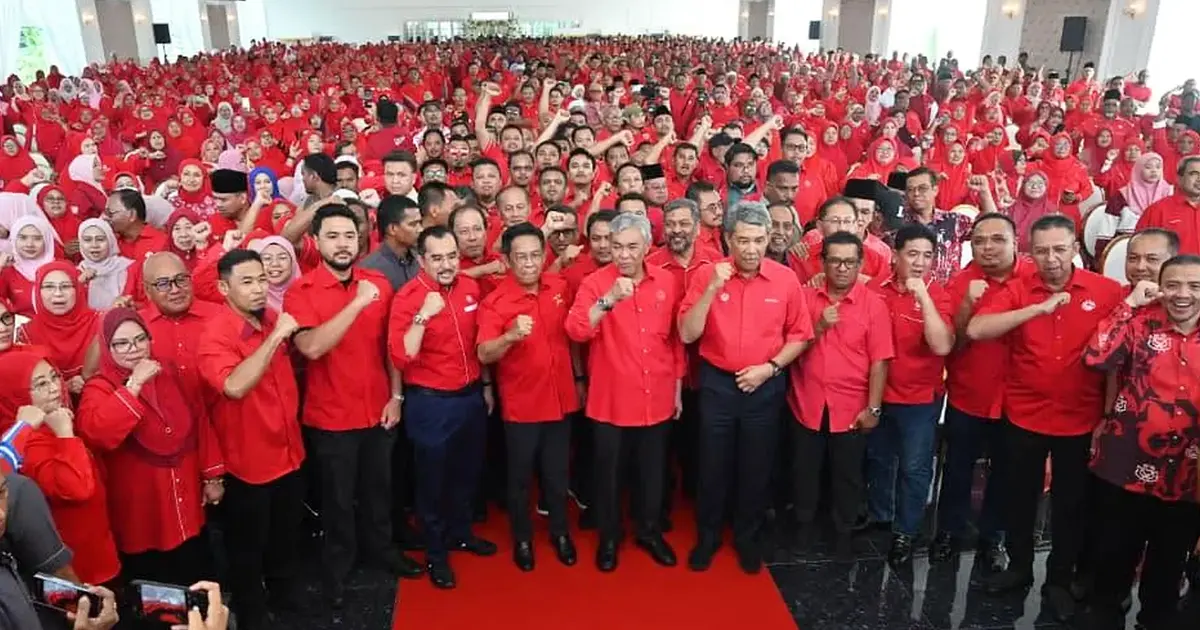
Barisan Nasional chairman Ahmad Zahid Hamidi has delegated responsibility for orchestrating candidate selection and resolving seat allocation disputes in Negeri Sembilan to the state coalition's leadership, signalling a streamlined approach to coalition preparations ahead of the anticipated state polls. The decision to hand control of these crucial electoral mechanics to Negeri Sembilan BN chief Tok Mat reflects broader efforts within the coalition to decentralise decision-making on candidate matters, allowing state-level leadership greater autonomy in determining which individuals will represent the component parties and how contested seats will be apportioned among BN partners.
The move carries particular significance given the complexity that typically surrounds seat negotiations within Barisan Nasional, where multiple component parties—including UMNO, MCA, and MIC—must be accommodated within a limited number of assembly seats. By empowering Tok Mat to manage these discussions directly, Zahid appears to be creating space for negotiations that account for local political dynamics and party strengths within Negeri Sembilan, rather than imposing decisions from the federal coalition headquarters in Kuala Lumpur.
Negeri Sembilan has emerged as a strategically important battleground in Malaysian politics. The state, comprising nine districts and with 36 state assembly seats, presents both opportunities and challenges for Barisan Nasional as it seeks to rebuild its electoral dominance following the 2022 general election. Recent political developments have complicated the landscape, with internal party dynamics and shifting voter preferences creating uncertainty about which candidates possess the strongest appeal in their respective constituencies.
Tok Mat's elevation to lead candidate selection reflects his standing within Negeri Sembilan's political establishment. As state BN chief, he carries the responsibility of ensuring that the coalition's nominations reflect grassroots sentiments while maintaining party discipline and honouring long-standing political arrangements that have governed seat distribution historically. His authority in these matters suggests that senior leadership in Kuala Lumpur believes he possesses the credibility and local knowledge necessary to navigate the competing interests that inevitably arise during candidate selection exercises.
The delegation of these responsibilities also potentially minimises friction between the federal party leadership and state wings, a persistent challenge within Barisan Nasional's structure. When centralised decision-making on candidates becomes too rigid, it can breed resentment among state-level party members and divisions who feel their preferences have been overridden. By devolving these choices to Tok Mat, Zahid may be attempting to build consensus organically within Negeri Sembilan rather than imposing decisions that could provoke internal discord.
Seat allocation negotiations within Barisan Nasional typically involve intricate calculations. Component parties seek to maximise their parliamentary or state assembly representation, and tensions frequently emerge when parties believe they have received fewer seats than their performance in previous elections or their organisational strength warrants. In Negeri Sembilan, where UMNO traditionally dominates the seats available to BN, negotiations must balance UMNO's preference for maximising its own representation against the coalition obligations to provide meaningful opportunities for MCA and MIC candidates.
Candidate selection itself involves multiple considerations beyond simple seniority or performance metrics. State-level leadership must weigh factors including individual popularity in specific constituencies, potential electoral viability against opposition candidates, internal party loyalty and support networks, and aspirations among party members seeking nominations. The process becomes more complicated when incumbent assemblymen seek renomination, requiring careful judgment about whether retaining established incumbents or introducing fresh candidates better serves the coalition's electoral prospects.
Zahid's step back from micromanaging these details may also reflect his focus on broader coalition strategy and federal-level concerns. As Barisan Nasional chairman during a period when the coalition is rebuilding after its 2018 and 2022 electoral setbacks, Zahid may have determined that concentrating his efforts on major strategic questions—such as managing relationships with Perikatan Nasional and positioning the coalition nationally—takes priority over the granular work of state-level candidate selection.
For Malaysian political observers, this development underscores ongoing tensions between centralised and decentralised authority within Barisan Nasional's federal structure. The coalition comprises entities with distinct party identities, regional bases, and leadership structures, creating inherent contradictions between unified national decision-making and the need for state-specific solutions. How effectively Tok Mat manages this responsibility will likely influence perceptions of whether Barisan Nasional can adapt its governance structures to function more efficiently in contemporary Malaysian politics.
The timing of this announcement carries implications for the broader political calendar. State elections in Negeri Sembilan would represent one of several contests that will shape Malaysia's political trajectory through the coming years. A successful BN performance, built on internally acceptable candidate selections and unified coalition campaigns, could strengthen arguments that the coalition remains capable of governing and winning electoral mandates at various levels.

